 Analytics
Rybbit
Open-source, cookieless Google Analytics replacement that's 10× more intuitive — built by an indie founder.
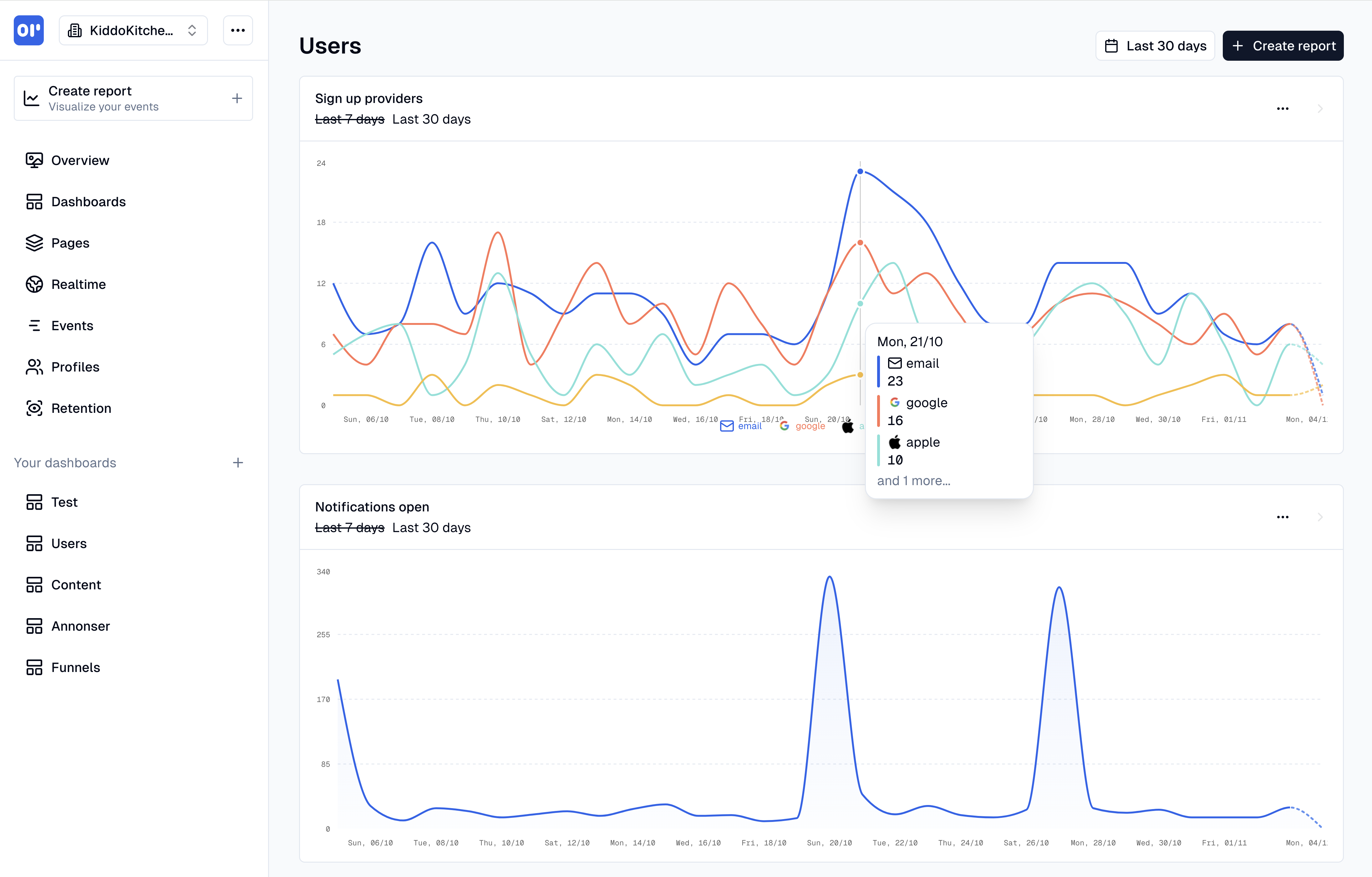
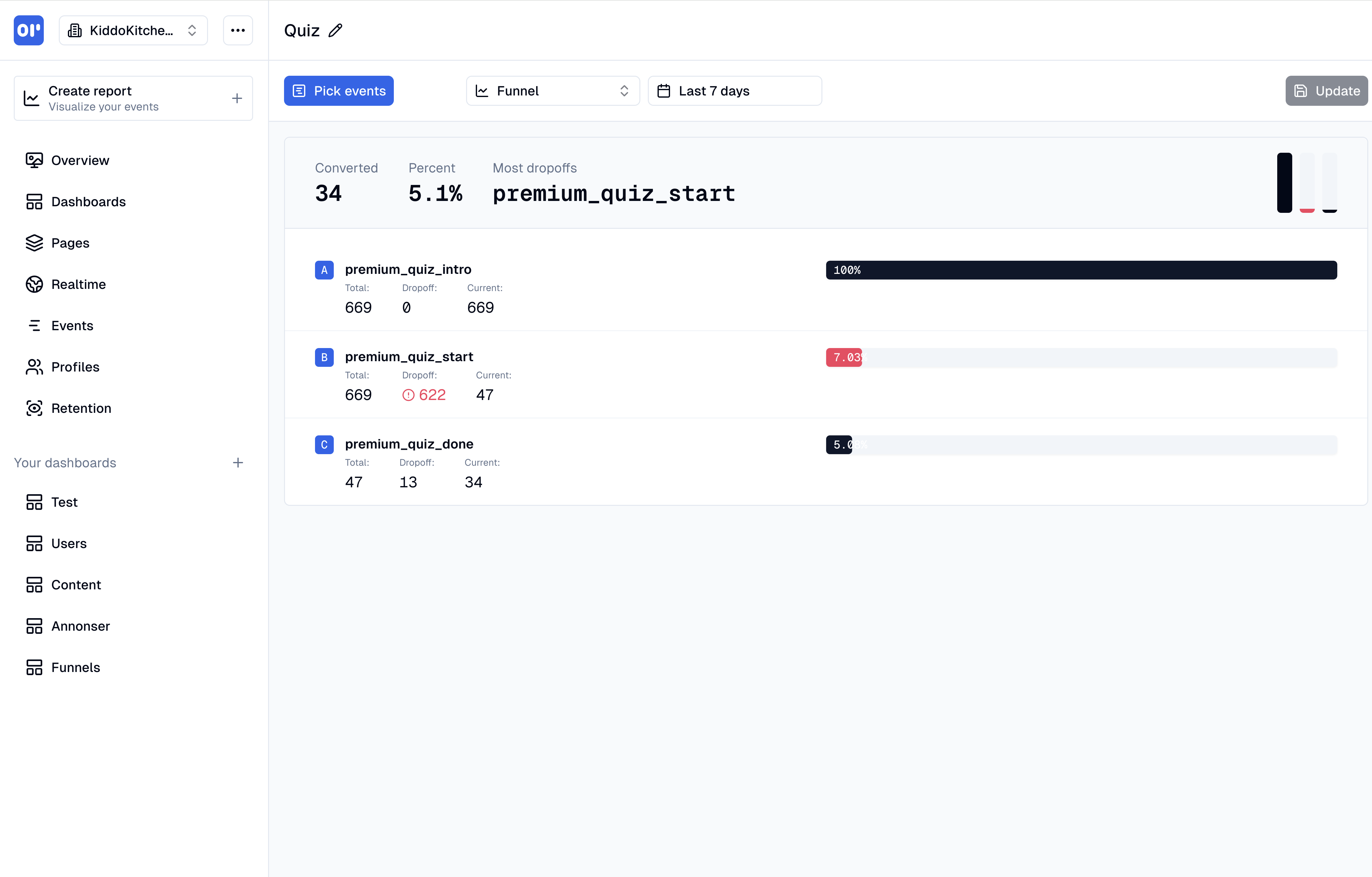
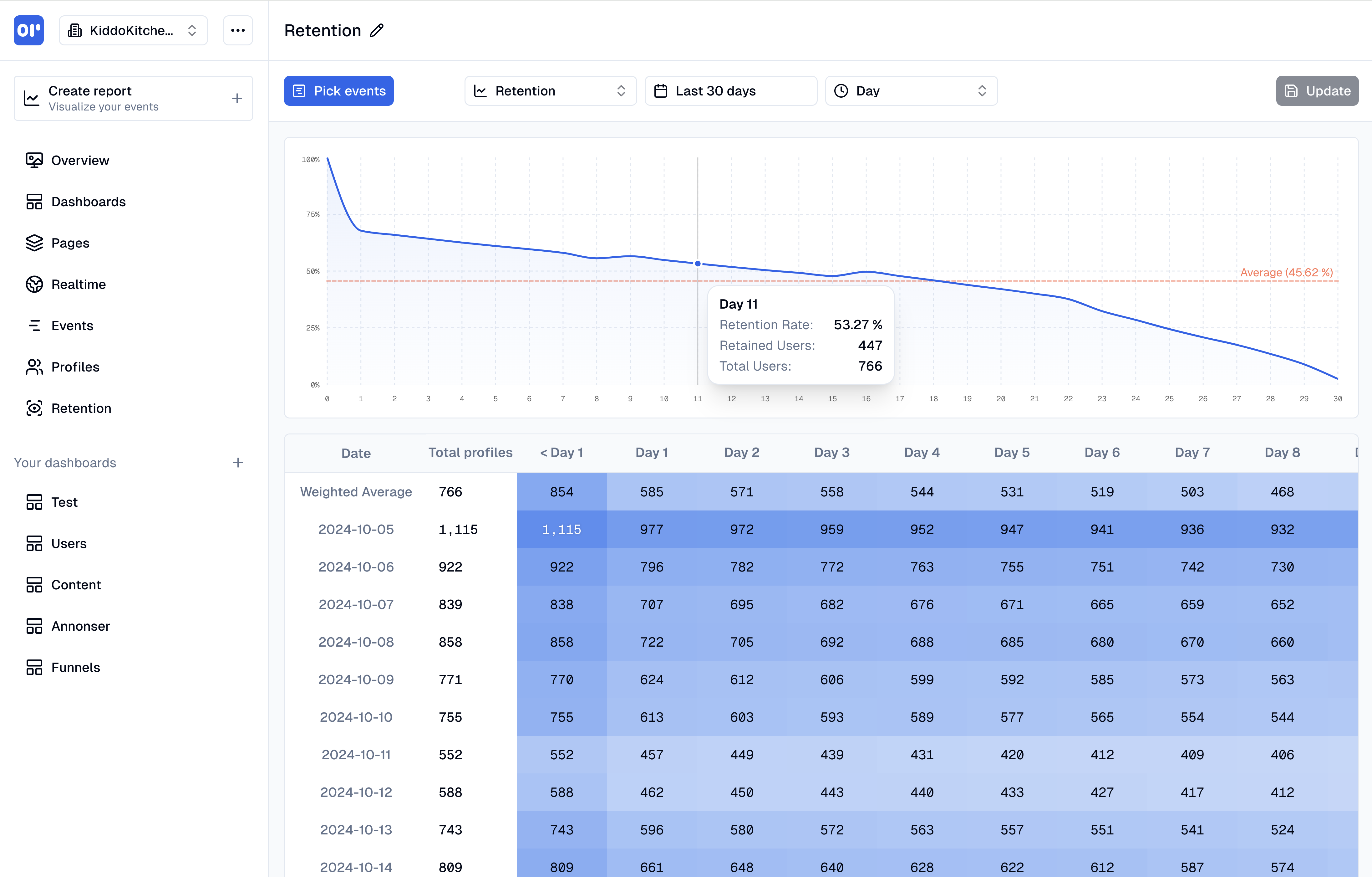
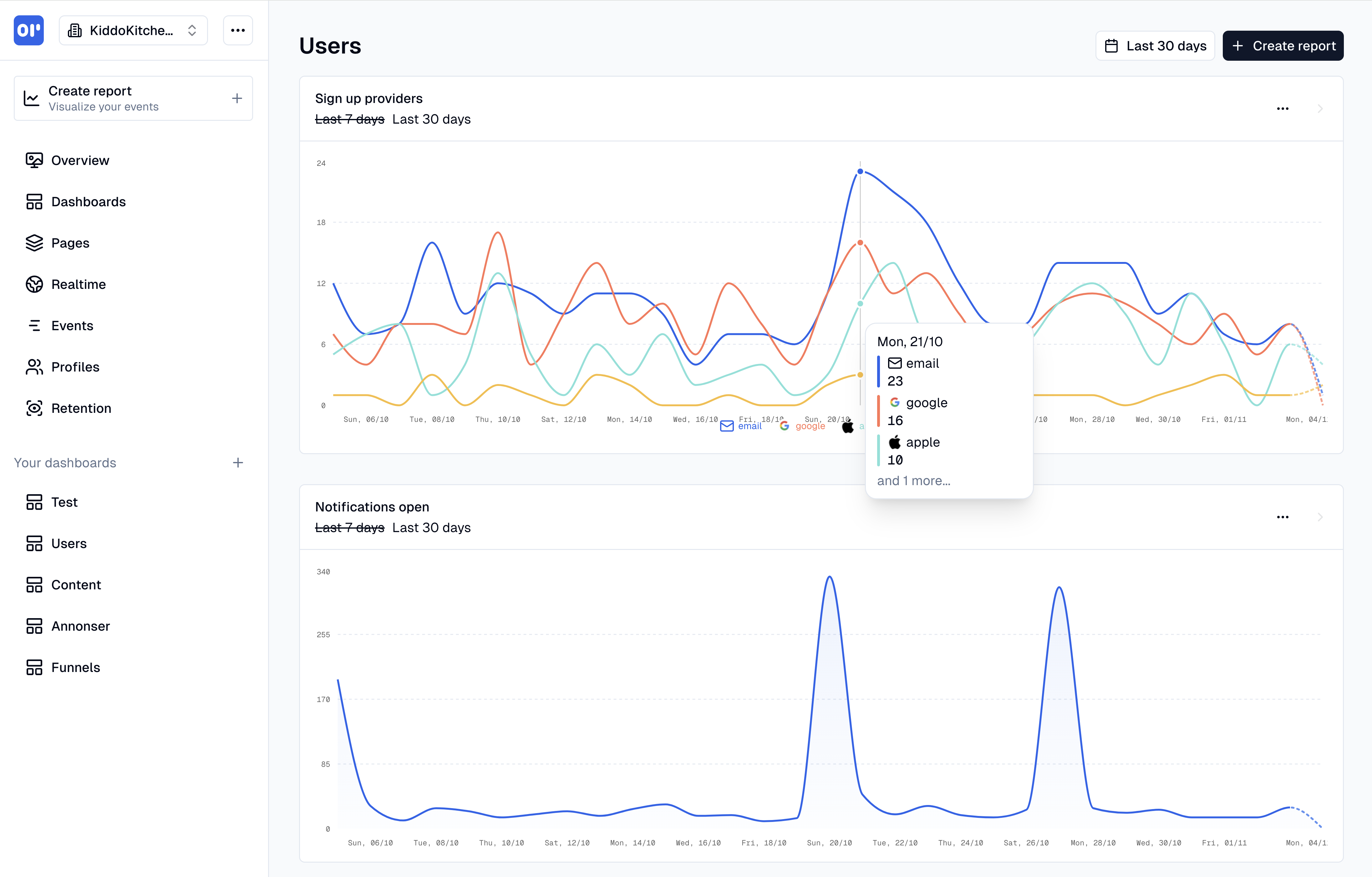
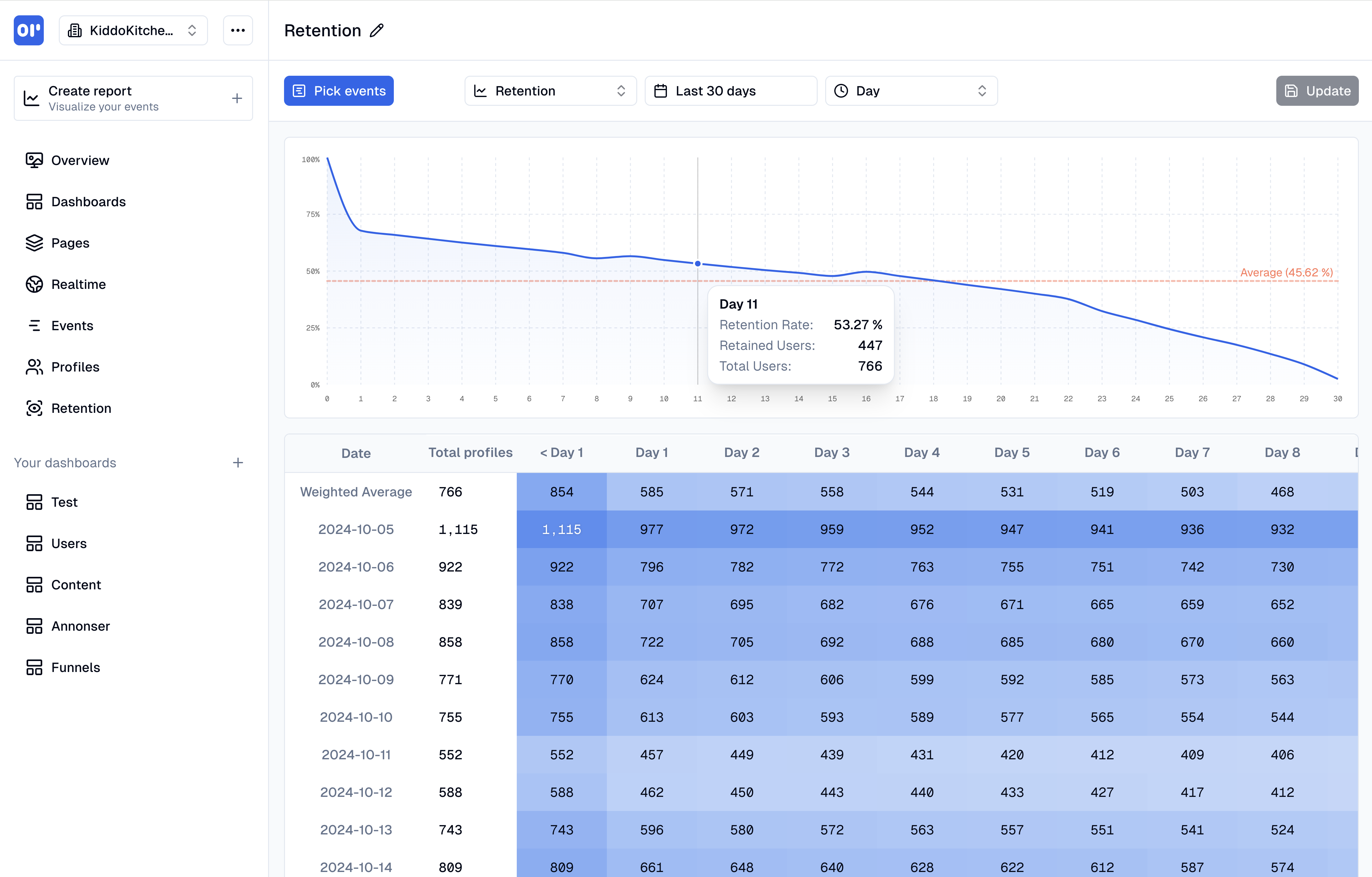
OpenPanel is an open-source alternative to Mixpanel that bundles funnels, retention, session replay and cookieless web analytics into one dashboard. Cloud plans start at $2.50/month and self-hosting is free.
OpenPanel is an open-source web and product analytics platform that combines Mixpanel-style funnels, cohorts and session replay with Plausible-style cookieless dashboards. We rate it 87/100 — the best value option for indie developers and small teams who outgrew Plausible but cannot stomach a $300/month Mixpanel bill.
OpenPanel was created by Swedish indie developer Carl-Gerhard Lindesvärd and went public on Hacker News on . The project crossed 5,000 GitHub stars within its first year and now sits at over 5,690 stars and 351 forks under an AGPL-3.0 license at github.com/Openpanel-dev/openpanel. The Cloud version is tracking events for paying customers like Midday, ScreenZen and Maneken.
The pitch is straightforward. Plausible and Umami give you a beautiful dashboard but stop at pageviews and goals. Mixpanel and PostHog give you funnels and replays but charge per event and bury the simple traffic view three menus deep. OpenPanel ships both surfaces in a single product — and it is one of the only AGPL alternatives where the self-hosted edition has zero feature gating versus the cloud edition.
docker compose commands on a $20–$50 VPS run the same software the cloud customers see, including session replay and A/B testing.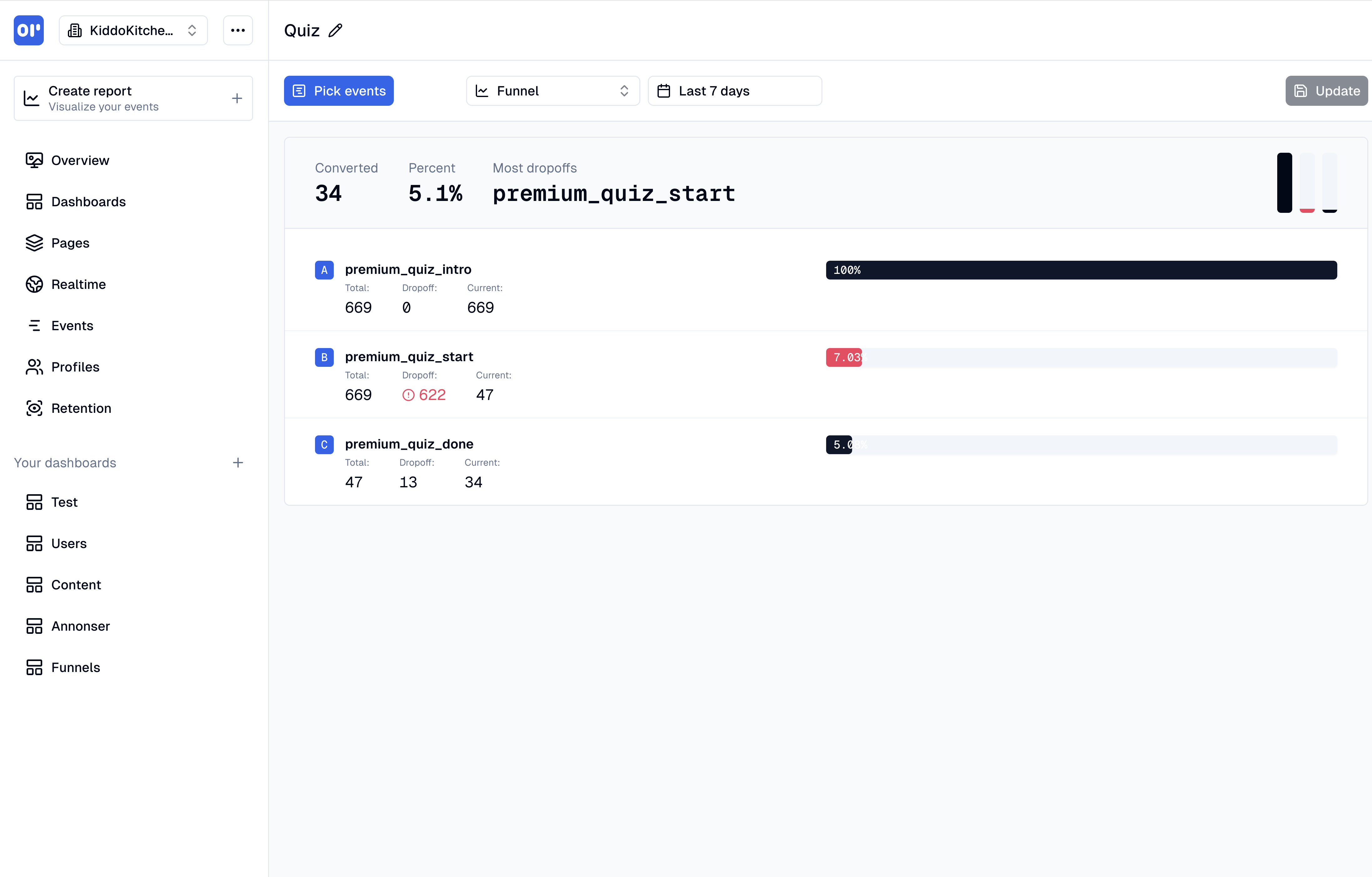
The original Show HN thread from May 2024 drew 99 comments and a generally positive reception, with the most-upvoted feedback praising the founder's responsiveness in the comments section. On X, paying customers like Pontus from Midday, Lee Robinson and Greg Bergé have publicly endorsed it; Lindesvärd's pinned tweet that OpenPanel was already tracking 750,000+ events a day was widely shared. The recurring criticism is twofold. First, the AGPL-3.0 license makes a few commercial deployers nervous — they would prefer MIT or Apache. Second, event-based pricing on the cloud plan can sting if you instrument every page on a high-traffic marketing site; in those cases the recommendation in the docs is to self-host. On Capterra and Toolradar, reviewers consistently call out the UI as "cleaner than Plausible" and the founder support as "fastest I have ever seen."
Cloud pricing is purely event-volume based. Every plan includes every feature — there is no Pro tier that unlocks session replay or A/B testing. Self-hosting is free with no event limit.
| Plan | Price | Events / month |
|---|---|---|
| Free trial | $0 | 30 days, no card |
| Starter | $2.50/mo | 5,000 |
| Indie | $20/mo | 100,000 |
| Growth | $90/mo | 1,000,000 |
| Scale | $900/mo | 50,000,000 |
| Self-hosted | Free | Unlimited (your VPS) |
Annual billing knocks roughly two months off every tier. Compared to Mixpanel — which lists $25/mo for 1k MTUs but jumps to several thousand a month for 1M events — OpenPanel Growth at $90/mo for 1M events is roughly an order of magnitude cheaper at the same volume.
Best for: Indie developers, bootstrapped SaaS founders and small product teams who need real funnels, retention and session replay without committing to PostHog's complexity or Mixpanel's pricing. Privacy-conscious EU companies that want to skip the cookie banner conversation.
Not ideal for: Enterprise teams that need SAML/SSO out of the box, organisations that require an MIT-licensed dependency for legal reasons, and high-traffic publishers who do not want to self-host but balk at event-based pricing.
Pros:
Cons:
PostHog is the heaviest comparison: a similar feature set with feature flags and experiments, but with significantly more setup and a steeper learning curve. Plausible is simpler and more polished for pure web analytics but stops short of funnels, retention and session replay. Mixpanel is the closest commercial peer on features but typically costs 5–10x more at the same event volume.
For any team that wants product analytics without a Mixpanel-sized invoice, OpenPanel is the clearest recommendation in 2026. The cloud plan starts cheaper than a coffee, the self-hosted build has full feature parity, and the dashboard is among the most polished in the open-source analytics space. Enterprise buyers who need SAML and a permissive license should still default to PostHog Cloud, but everyone else should at minimum spin up the 30-day trial and compare it against their current tool. Our 87/100 reflects category-leading value with a few enterprise-readiness gaps still to close.
ServiceNow and Accenture Launch Forward Deployed Engineering Program to Scale Agentic AI in the Enterprise (May 6, 2026)
At Knowledge 2026, ServiceNow and Accenture announced a joint forward deployed engineering program that drops co-located engineer pods into customer environments to ship agentic AI workflows natively on the ServiceNow AI Platform — with access to 300+ pre-built agent skills and the AI Control Tower as the governance backbone.
May 7, 2026
ReFiBuy Raises $13.6M Seed to Help Brands Get Recommended by AI Shopping Agents (May 5, 2026)
ReFiBuy, the Raleigh-based agentic commerce platform from ChannelAdvisor founder Scot Wingo, closed an oversubscribed $13.6M seed led by NewRoad Capital Partners on May 5, 2026 — betting that the next billion-dollar e-commerce moat is being chosen by ChatGPT, Claude and Perplexity.
May 7, 2026
OpenAI Replaces ChatGPT's Default Model With GPT-5.5 Instant — 52.5% Fewer Hallucinations, 30% Shorter Answers (May 5, 2026)
OpenAI on May 5 swapped GPT-5.3 Instant for the new GPT-5.5 Instant as ChatGPT's default model, claiming 52.5% fewer hallucinated claims on high-stakes prompts and 30% more concise answers. The model also rolls into the API as chat-latest and adds personalization from Gmail and past chats for Plus and Pro web users.
May 7, 2026
Is this product worth it?
Built With
Compare with other tools
Open Comparison Tool →