 Developer Tools
Templ
Type-safe HTML templating language for Go with compile-time safety
Microsoft's open-source E2E testing framework with auto-waiting, true cross-browser support and a built-in MCP server for AI agents. The 2026 default.
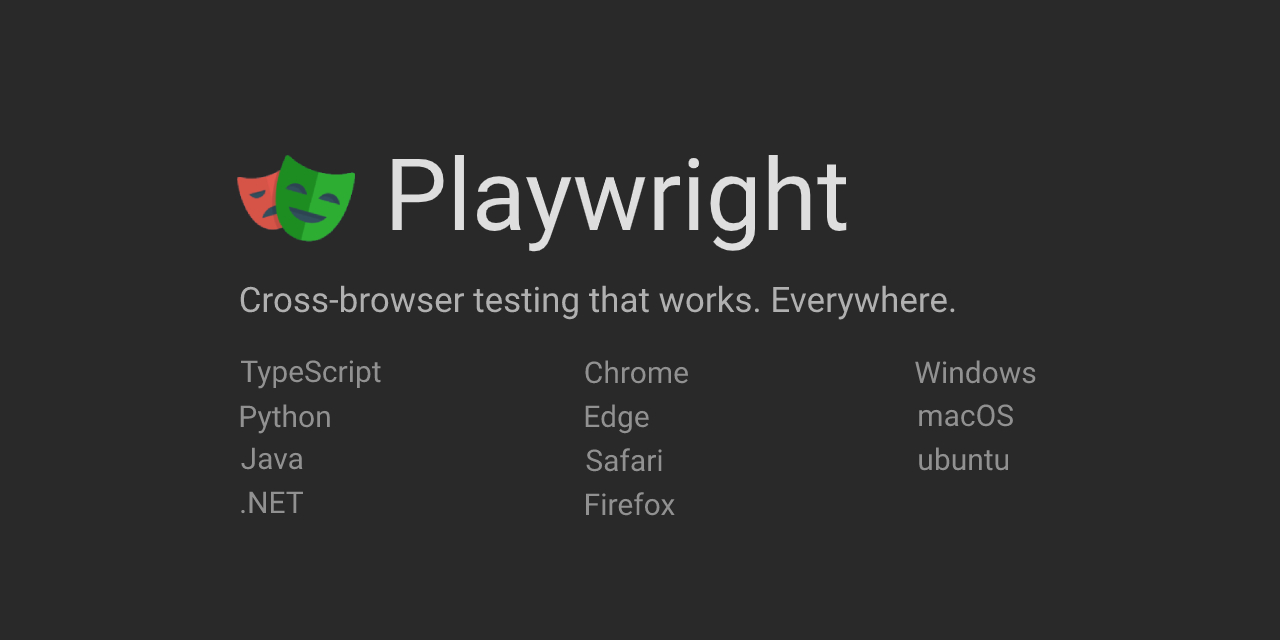
Playwright is Microsoft’s open-source framework for end-to-end web testing and automation, capable of driving Chromium, Firefox and WebKit (Safari) from a single API in TypeScript, Python, Java or .NET. We rate Playwright 92/100 — in 2026 it is the default recommendation for any new browser-testing project, and the only mainstream framework that ships a first-class Model Context Protocol server for AI agents out of the box.
Playwright is an Apache-2.0 framework for browser testing and automation, originally created by the team behind Puppeteer after they moved from Google to Microsoft. The first GitHub commit landed on , with the public 1.0 release on . The current stable release is v1.59.1, published on , and the project sits at 87,400+ GitHub stars with 5,500+ forks — it overtook Cypress on every measurable community metric (npm downloads, stars, State of JS satisfaction) by 2024 and the gap has only widened since.
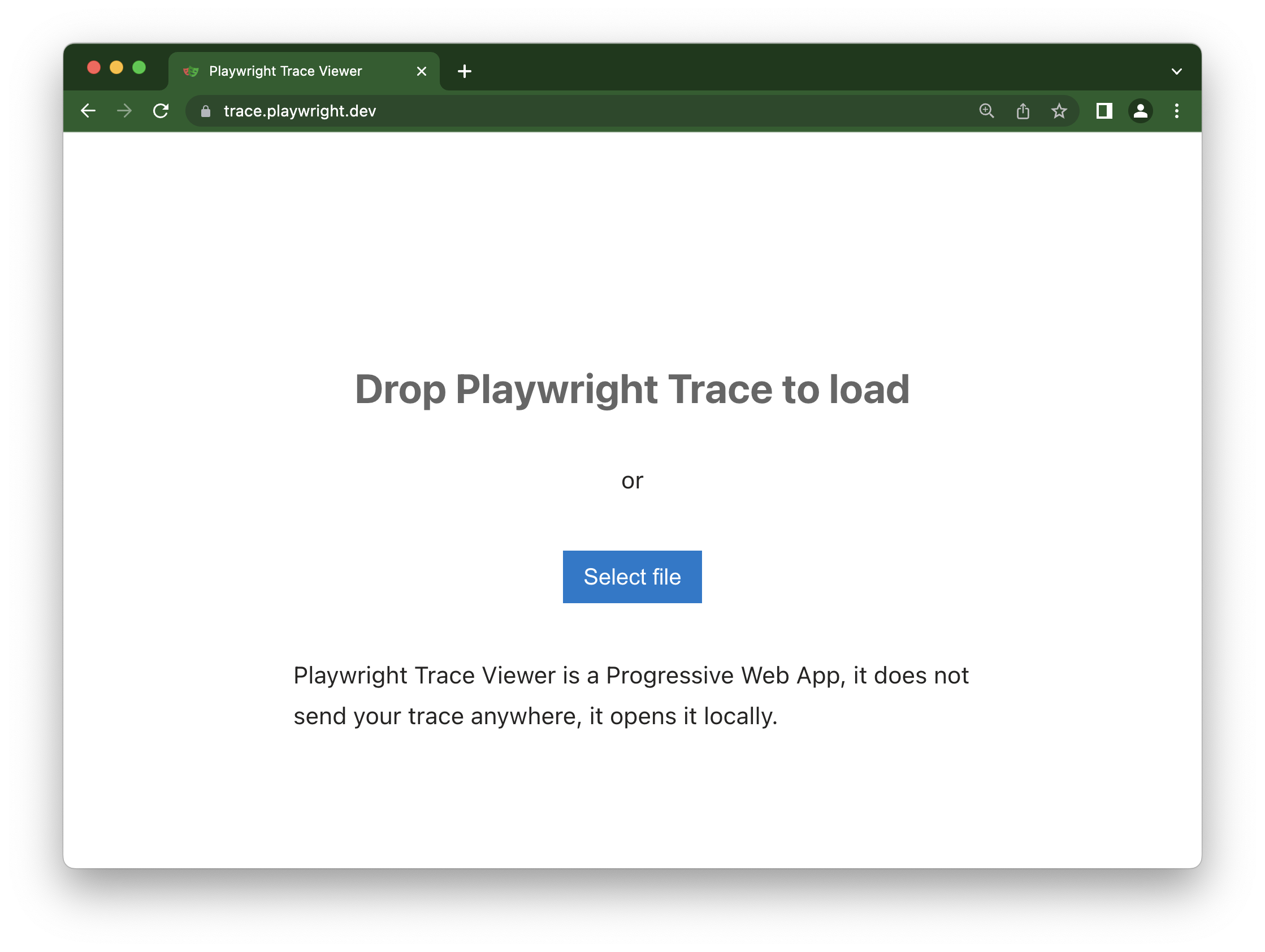
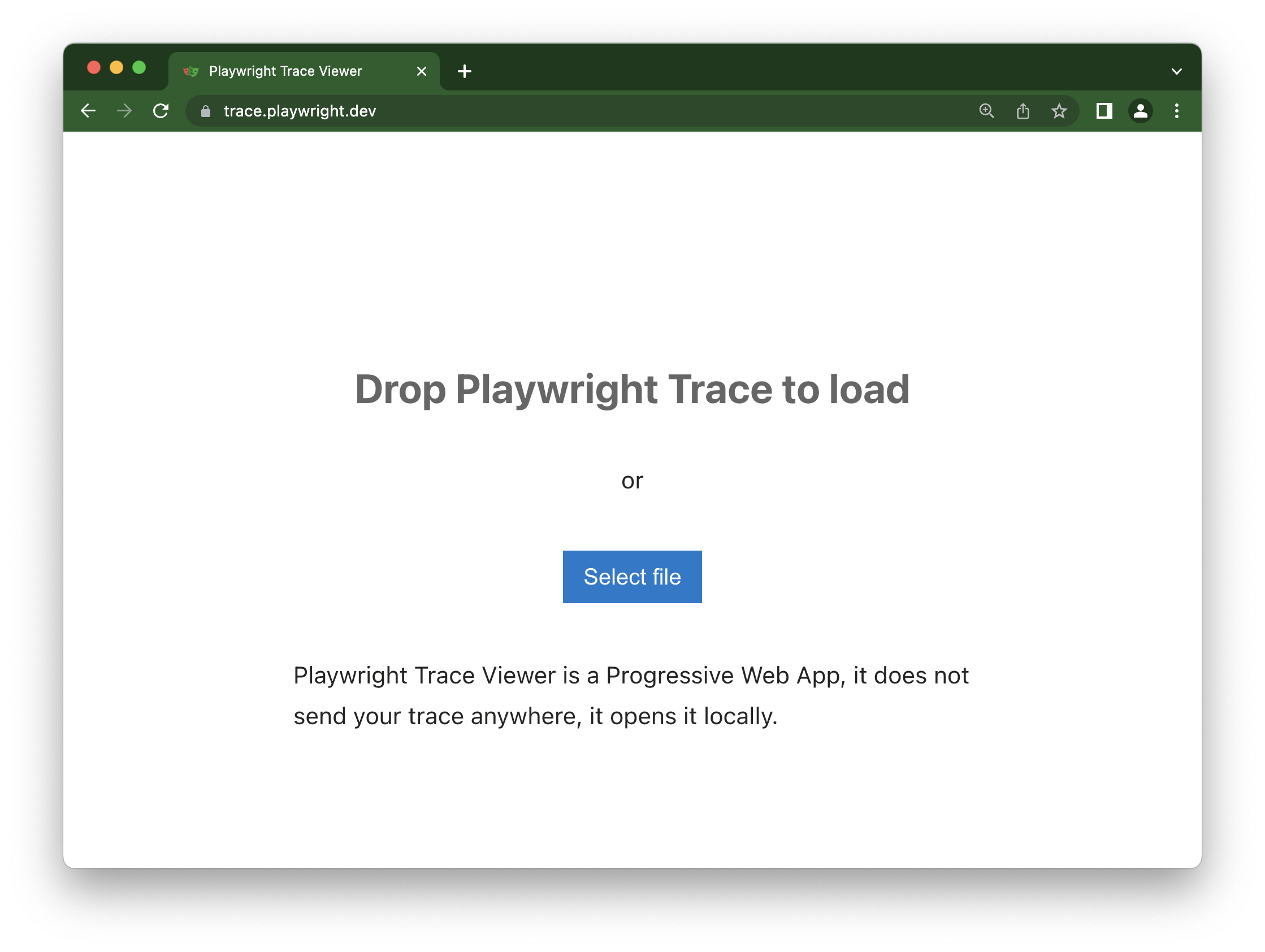
The pitch is simple: Playwright runs the same script against three rendering engines, auto-waits for elements to be actionable before clicking, isolates every test in a fresh browser context, and ships an industry-leading Trace Viewer that makes flakes investigable without re-running. In 2026, the project added Playwright MCP and Playwright CLI, turning the same engine into the standard browser primitive for coding agents like Claude Code, GitHub Copilot and Cursor.
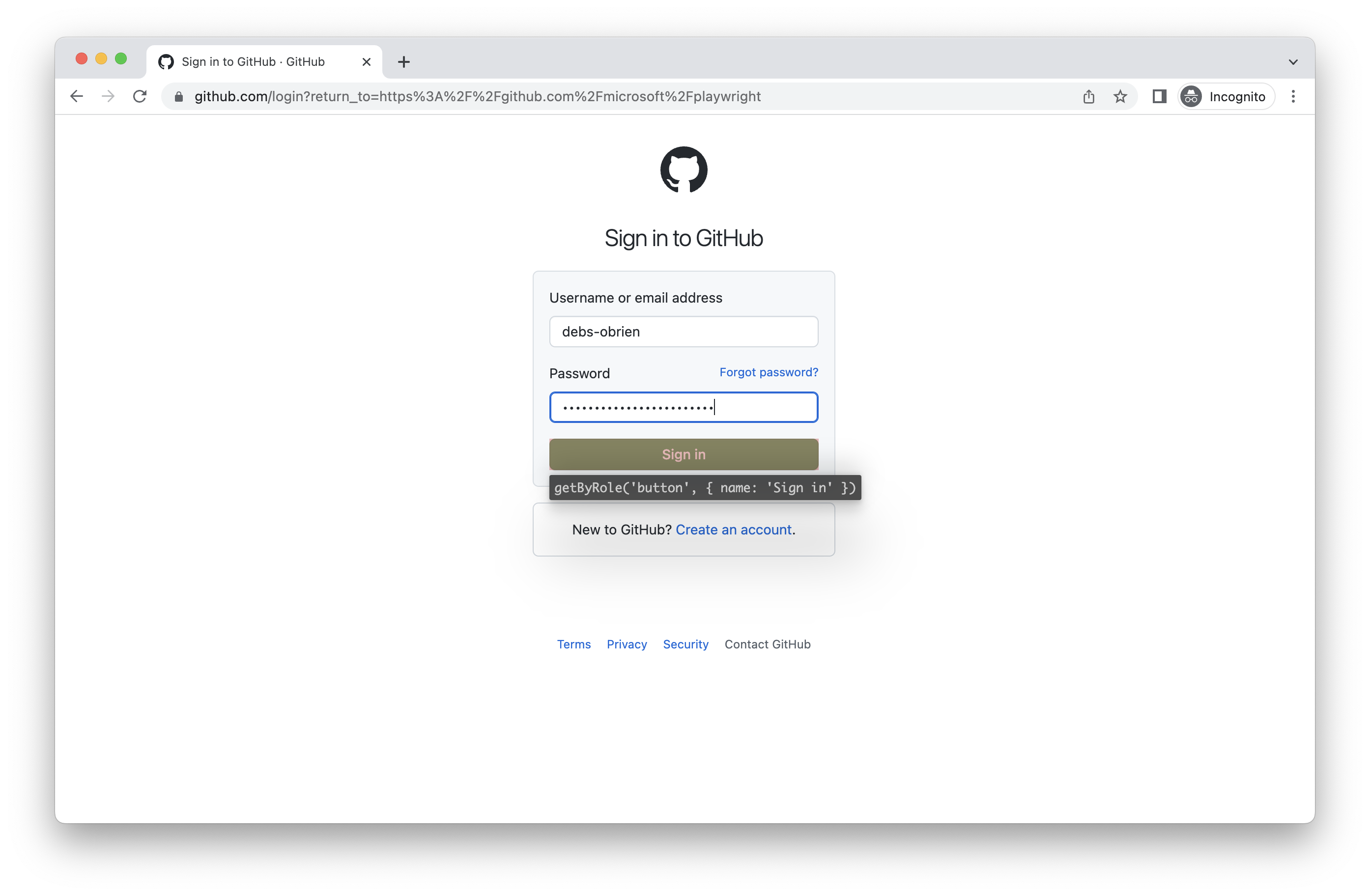
expect(locator).toHaveText() automatically retries until it passes or times out, killing the most common source of flakiness.getByRole, getByLabel, getByPlaceholder and getByTestId mirror how users (and accessibility tools) see the page, replacing brittle CSS chains. They also enforce a baseline of accessibility on the app under test.npx @playwright/mcp@latest) and a token-efficient CLI built for coding agents — Playwright is the de-facto browser tool inside Claude Code, GitHub Copilot, Cursor and Windsurf in 2026.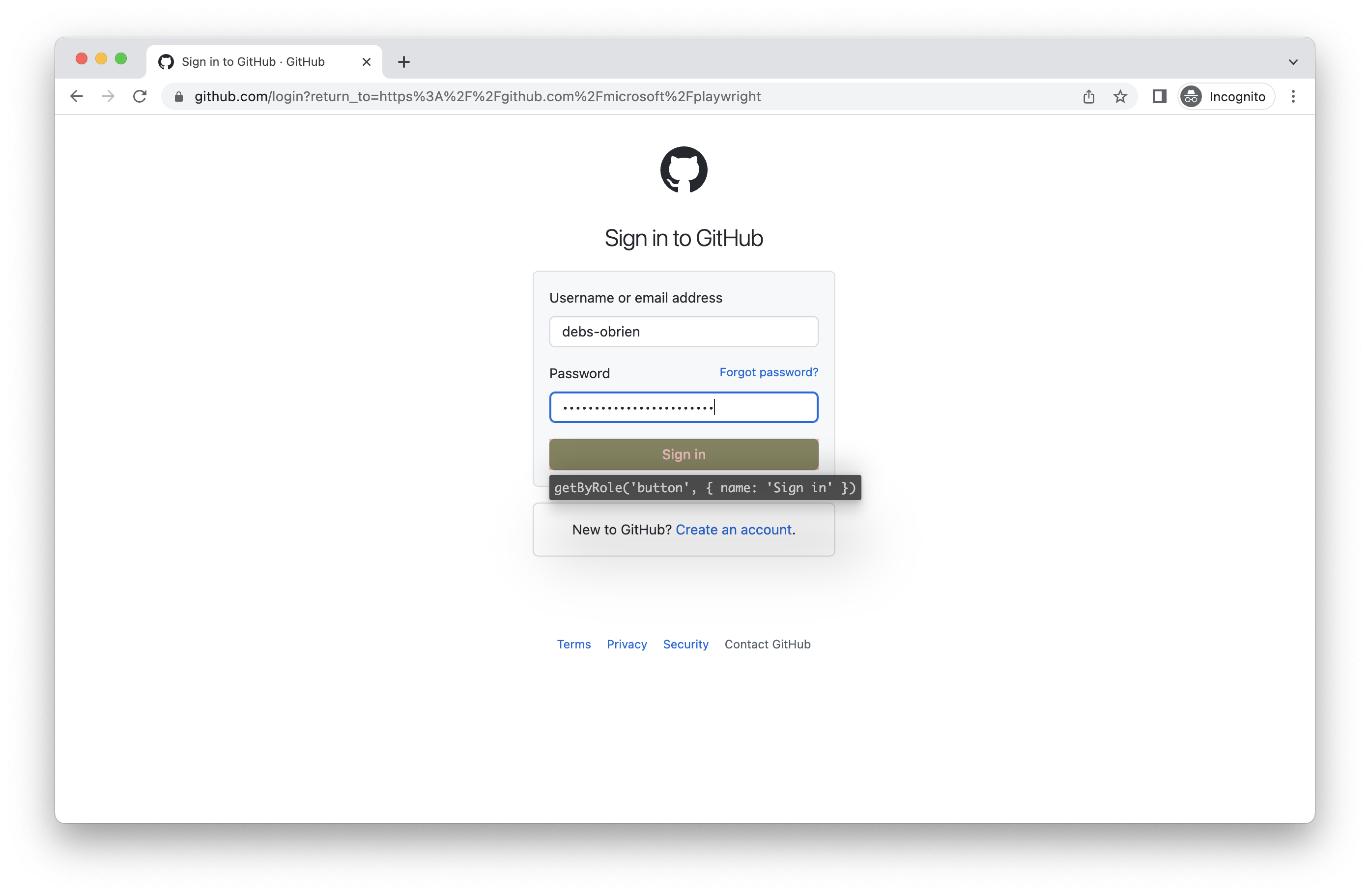
Sentiment in 2026 is overwhelmingly positive. On Reddit’s r/QualityAssurance and r/javascript, the most upvoted recommendation for new projects is “just use Playwright.” Independent benchmarks (LambdaTest, QA Wolf, TestSigma) consistently show it ~30–40% faster per action than Cypress and 40–60% cheaper to run on CI at scale. QA Wolf publicly migrated off Cypress in 2022 and has not looked back.
Recurring complaints are real but bounded: WebKit on Linux still has occasional rendering quirks vs. real Safari on macOS, the Trace Viewer can be heavyweight on long traces (multi-hundred-megabyte zip files), and the API surface is large enough that newcomers need a day or two of orientation. Cypress retains a passionate following for its time-travel debugger and developer-friendly UI runner — if those are the features you optimize for, Cypress is still defensible.
| Plan | Price | Key Limits |
|---|---|---|
| Playwright (open-source) | $0 | Unlimited tests, browsers, parallelism and sharding. Apache 2.0 license. Self-host CI on anything. |
| Microsoft Playwright Testing (free tier) | $0/month | 100 test minutes/month on managed cloud browsers in Azure. |
| Microsoft Playwright Testing (pay-as-you-go) | ~$0.0004/test minute | Cloud-hosted browsers, parallel grid, scalable to thousands of concurrent runs. Billed through Azure. |
The framework itself is free forever. The only paid product in the family is Microsoft Playwright Testing on Azure — an optional managed cloud-browser grid for teams that want to scale parallelism without provisioning their own runners.
Best for: any team starting a new E2E project in 2026, teams that need genuine cross-browser (Safari/WebKit) coverage, polyglot organisations with TypeScript, Python, Java or .NET codebases, and anyone integrating browser automation into AI agent workflows via MCP.
Not ideal for: teams with deep, working investments in Cypress or Selenium where the migration cost outweighs the benefit, and shops that specifically want a vendor-hosted dashboard as the primary developer surface (Playwright leans on its open-source HTML report rather than a paid SaaS dashboard).
Pros:
Cons:
Cypress — the historical incumbent, still excellent for component testing and beloved for its in-browser time-travel debugger; loses on cross-browser breadth and CI cost. Selenium — the long-running standard with the deepest language coverage; most teams find Playwright faster and far less flaky to maintain. WebdriverIO — a modular, plugin-rich layer over WebDriver and Playwright; powerful but more configuration-heavy than vanilla Playwright. Puppeteer — same ancestral team, Chromium-only; useful for scraping but no longer the right pick for cross-browser testing.
Playwright is the default browser-testing framework of 2026. It is free, fast, cross-browser, multi-language, AI-native, and backed by Microsoft with a track record of weekly releases since 2020. Unless you have a working Cypress suite that the team genuinely loves, Playwright is what you should reach for — and even then, new test files are increasingly being written in Playwright alongside legacy Cypress code. We rate it 92/100: not perfect (WebKit-on-Linux quirks, large trace files), but the most complete and best-maintained tool in its category and the obvious recommendation for new projects.
npx @playwright/mcp@latest) and a token-efficient CLI for coding agents. It is the default browser tool inside Claude Code, GitHub Copilot, Cursor and Windsurf in 2026.ServiceNow and Accenture Launch Forward Deployed Engineering Program to Scale Agentic AI in the Enterprise (May 6, 2026)
At Knowledge 2026, ServiceNow and Accenture announced a joint forward deployed engineering program that drops co-located engineer pods into customer environments to ship agentic AI workflows natively on the ServiceNow AI Platform — with access to 300+ pre-built agent skills and the AI Control Tower as the governance backbone.
May 7, 2026
ReFiBuy Raises $13.6M Seed to Help Brands Get Recommended by AI Shopping Agents (May 5, 2026)
ReFiBuy, the Raleigh-based agentic commerce platform from ChannelAdvisor founder Scot Wingo, closed an oversubscribed $13.6M seed led by NewRoad Capital Partners on May 5, 2026 — betting that the next billion-dollar e-commerce moat is being chosen by ChatGPT, Claude and Perplexity.
May 7, 2026
OpenAI Replaces ChatGPT's Default Model With GPT-5.5 Instant — 52.5% Fewer Hallucinations, 30% Shorter Answers (May 5, 2026)
OpenAI on May 5 swapped GPT-5.3 Instant for the new GPT-5.5 Instant as ChatGPT's default model, claiming 52.5% fewer hallucinated claims on high-stakes prompts and 30% more concise answers. The model also rolls into the API as chat-latest and adds personalization from Gmail and past chats for Plus and Pro web users.
May 7, 2026
Is this product worth it?
Built With
Compare with other tools
Open Comparison Tool →