 Developer Tools
Templ
Type-safe HTML templating language for Go with compile-time safety
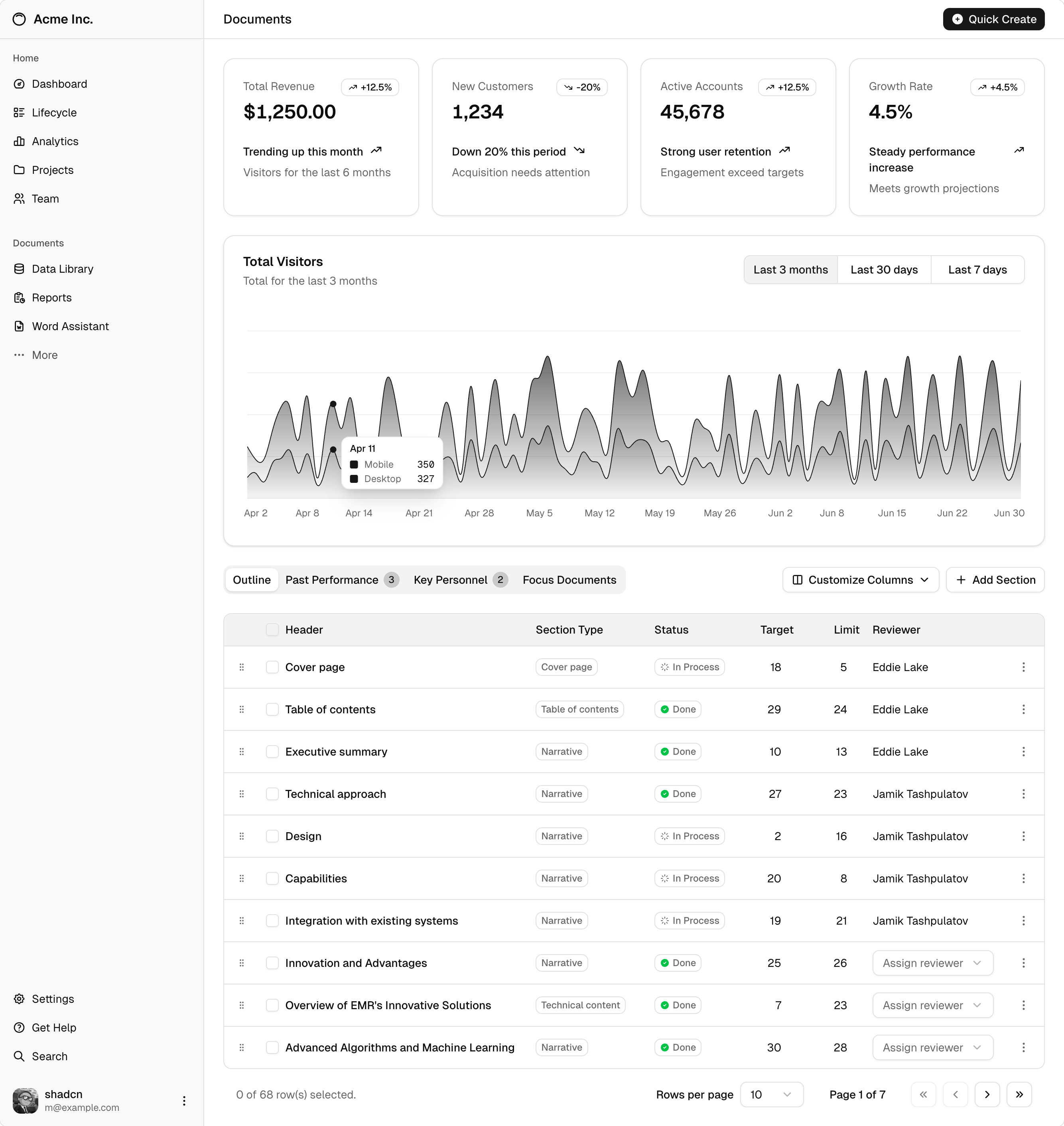
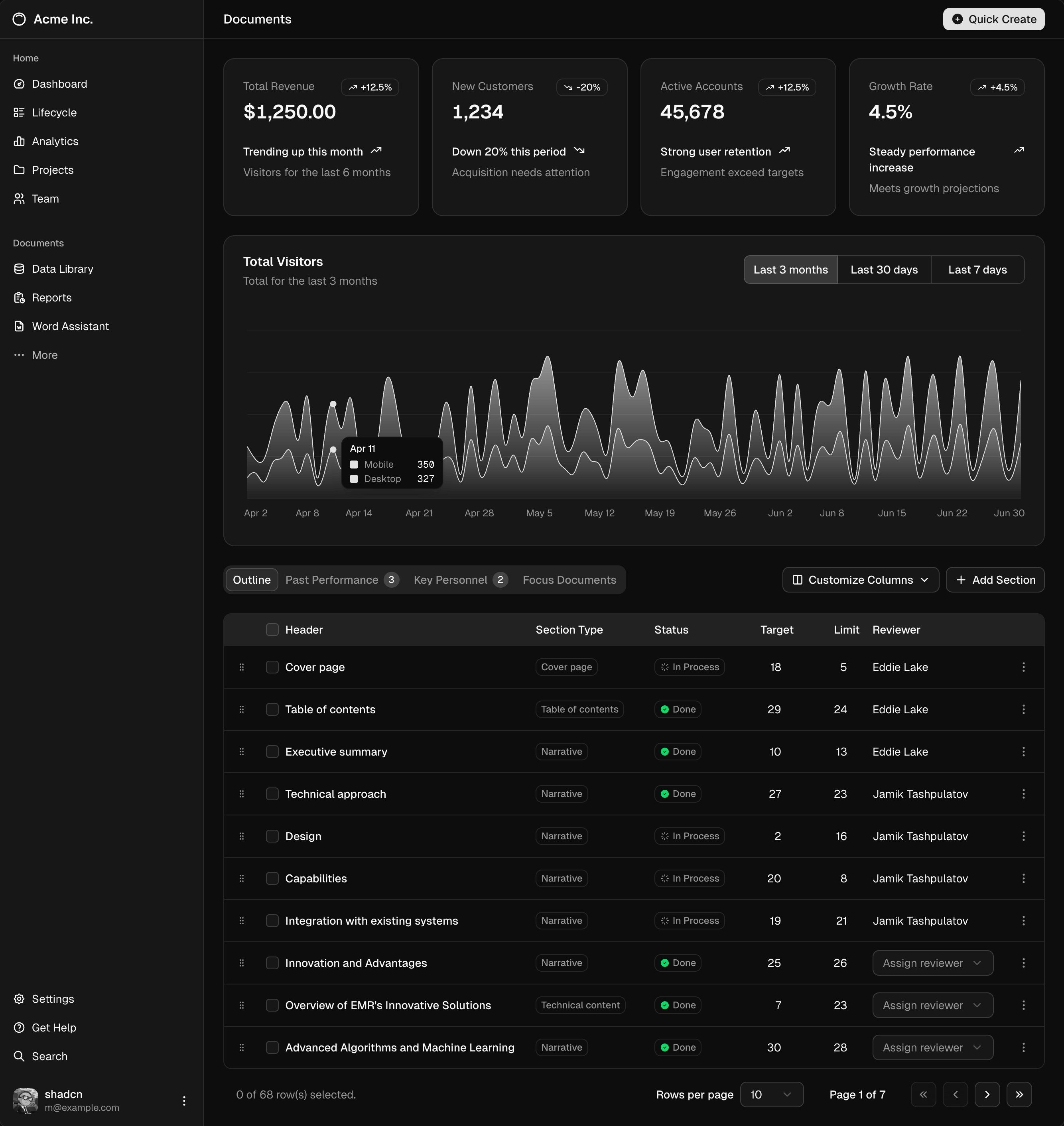
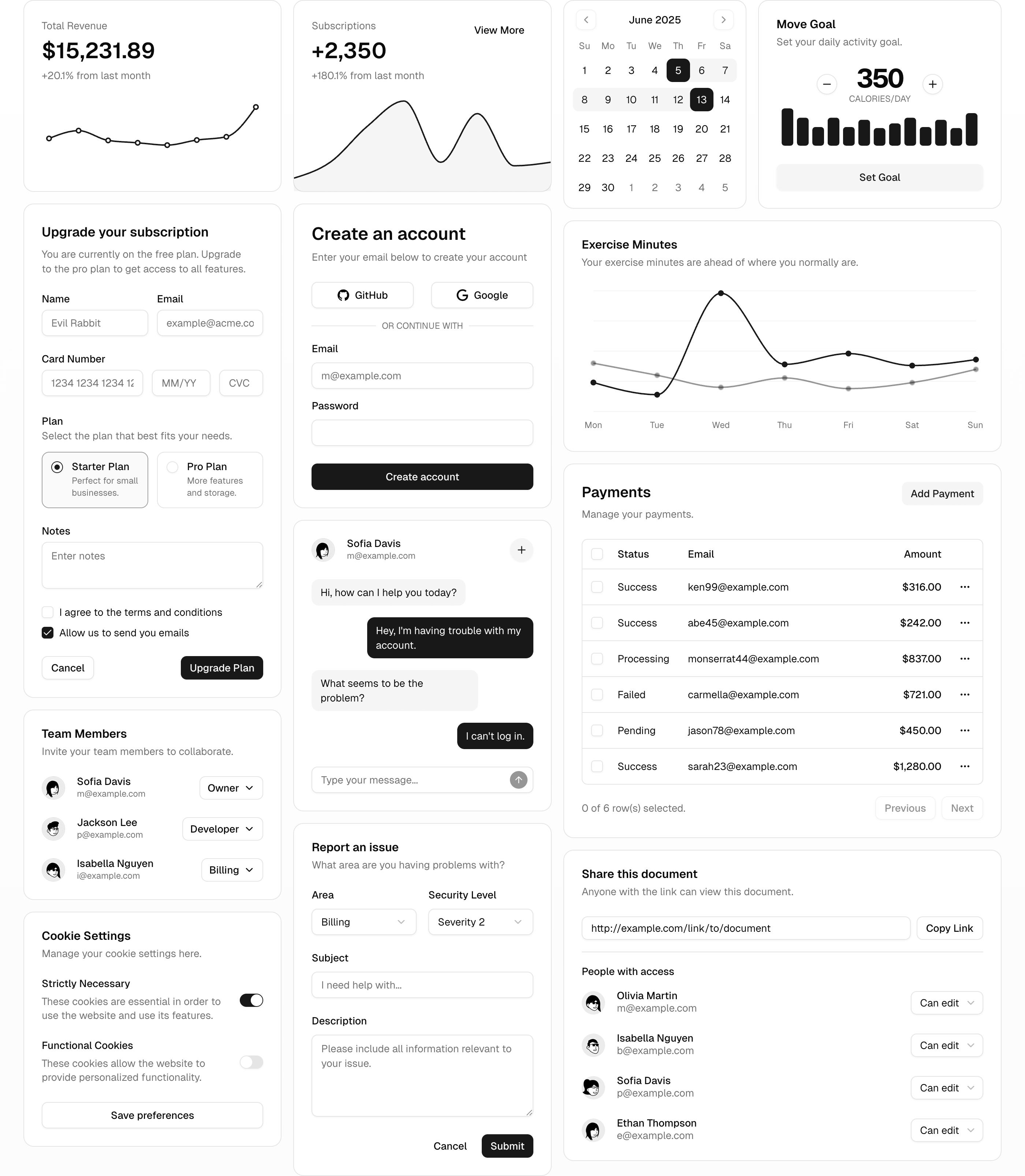
shadcn/ui is a copy-and-paste React component library built on Radix UI and Tailwind CSS that installs as source into your repo. It is MIT-licensed, has 113,000+ GitHub stars, and is the most-starred UI project on GitHub in 2026.
shadcn/ui is a copy-and-paste React component library and code-distribution platform built on top of Radix UI primitives and Tailwind CSS that installs components as source files directly into your repository rather than as a versioned npm dependency. We rate it 93/100 — for any React, Next.js, Remix, or Astro project started in 2026, shadcn/ui is the default choice; it is only the wrong call for teams that need a sealed, versioned component library they can upgrade with a single bump.
shadcn/ui was created by a pseudonymous designer-developer known as shadcn and first pushed to GitHub on . In its creator joined Vercel as a Design Engineer, where he continues to maintain the project. The most recent CLI release is [email protected], shipped on , and the GitHub repository crossed 113,000 stars in April 2026 — making it the most-starred UI library on GitHub, surpassing Material UI, Ant Design, and Chakra UI combined in new-project adoption.
The specific problem shadcn/ui solves is the black-box problem of traditional component libraries. With Material UI or Chakra, customising a Button beyond what the theme API exposes means wrestling with internal specificity or forking the package. shadcn/ui ships the actual button.tsx file into components/ui/ in your repo — you own it, you can rename props, refactor internals, or strip features, and an AI coding assistant can read and modify it like any other file in your codebase. That last property — being legible to LLMs — is why tools like v0, Cursor, GitHub Copilot, and Claude Code generate shadcn-based UIs by default in 2026.
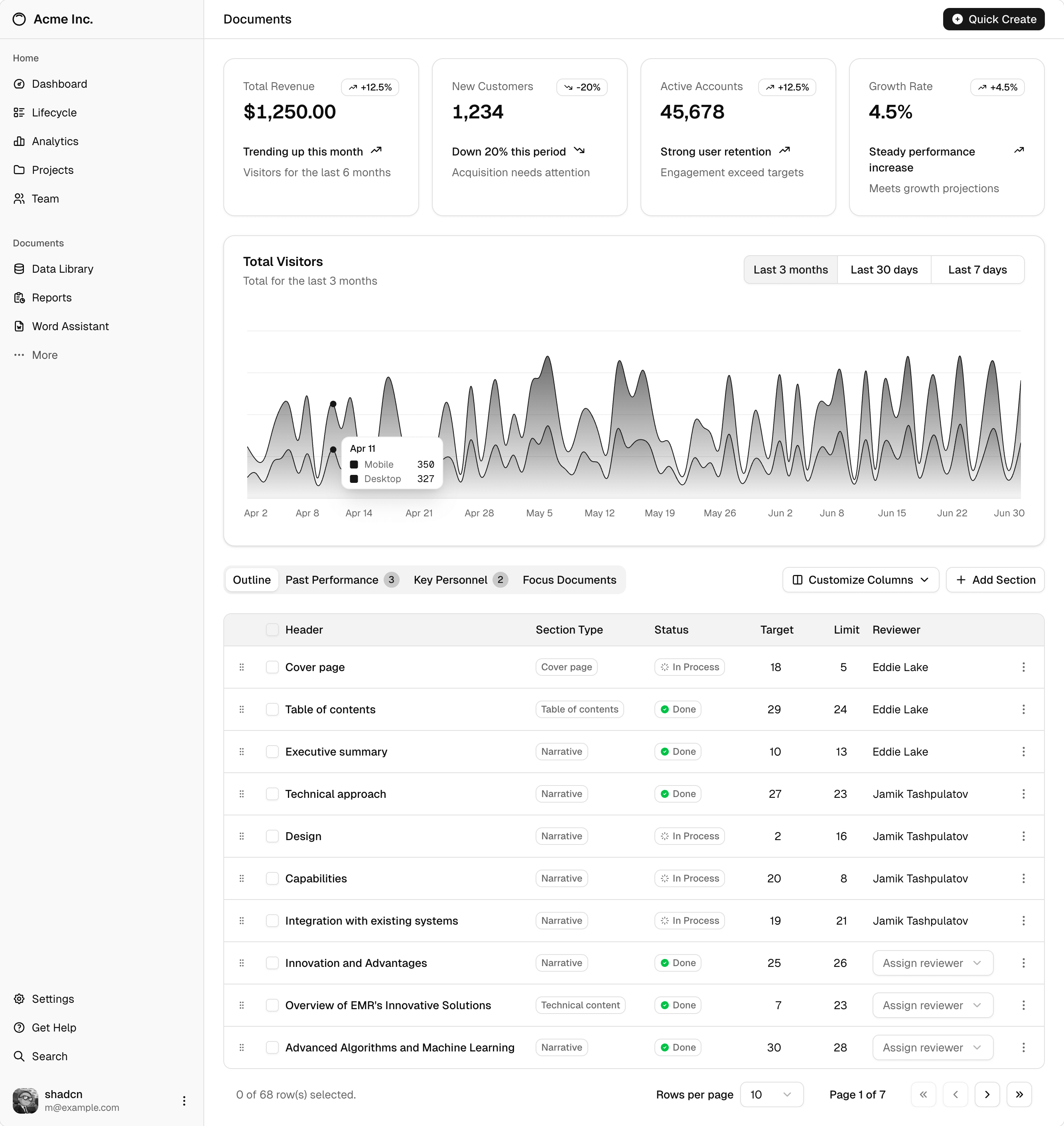
npx shadcn@latest add button writes components/ui/button.tsx directly to your project. No runtime dependency on a shadcn package — only on Radix and Tailwind, which you were going to install anyway.registry.json spec that lets any team run a private registry for internal design-system components.tailwind.config.js token set visually.mcp server so Cursor, Claude Code, and other agents can install components and blocks directly from chat. v0.dev outputs shadcn/ui by default.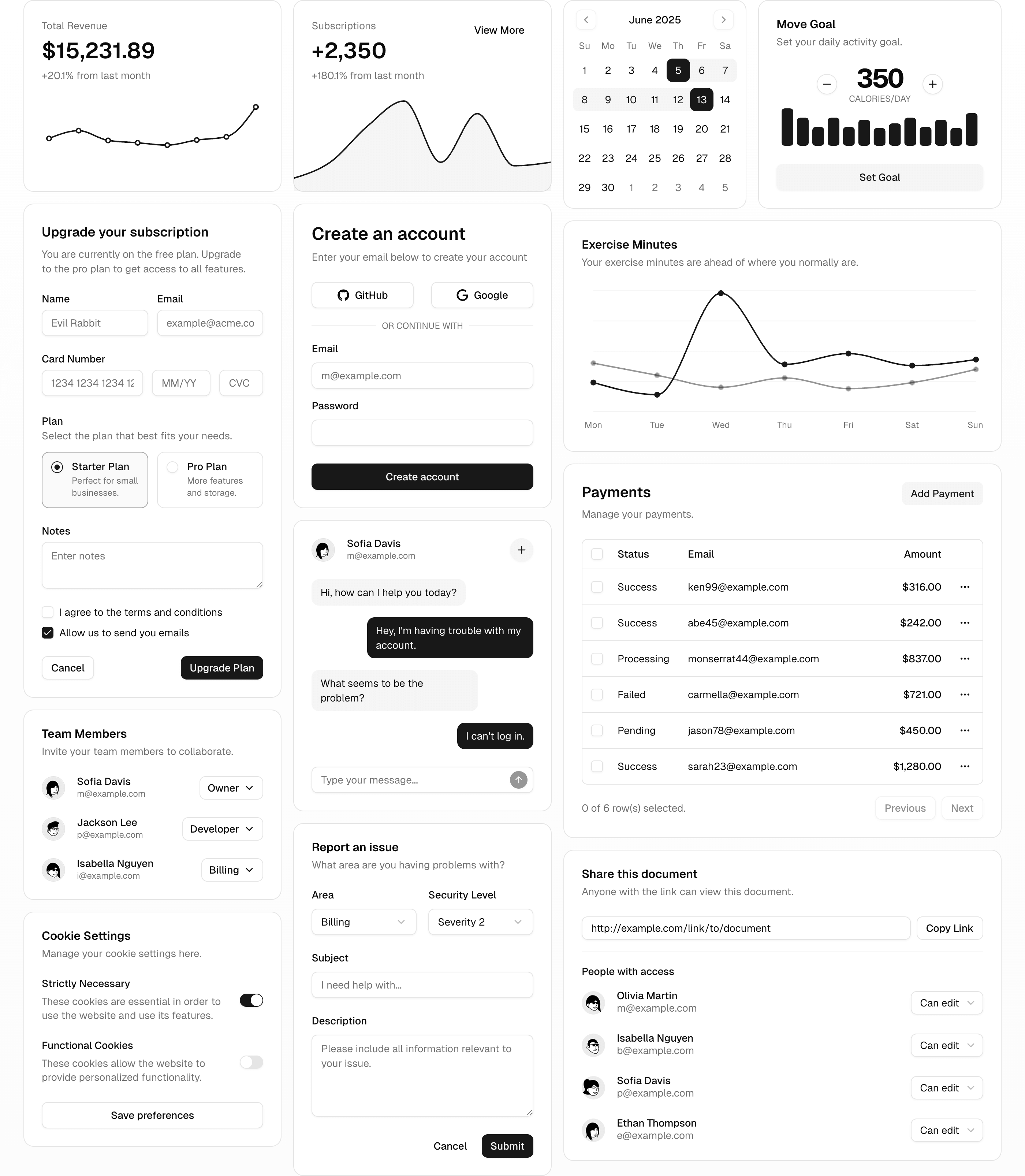
Community reception in 2026 is overwhelmingly positive but not uncritical. On r/reactjs, the most-upvoted threads praise how quickly a team can ship a polished product — one highly-upvoted comment summarises it as "the only component library that doesn't feel like a prison after six months." On Hacker News, senior engineers repeatedly flag the same tradeoff: because components live in your repo, upstream fixes and accessibility improvements do not propagate automatically — you have to re-run shadcn add or diff manually. On Product Hunt, shadcn/ui holds a 4.9/5 average across reviews, with the most common complaint being that the paid Figma kit feels thin compared to the free code library.
Reddit also surfaces one recurring frustration: the component vocabulary is React-only. Teams on Vue, Svelte, or SolidJS have built unofficial ports (shadcn-vue, shadcn-svelte, shadcn-solid), but these lag the main project by weeks and occasionally miss components entirely.
The shadcn/ui library itself is 100% free and MIT-licensed. There is no paid tier, no seat limit, and no feature gating — every Block, every component, and the CLI are available to any project, commercial or not.
| Plan | Price | What's Included |
|---|---|---|
| Open-source core | $0 | All 75+ components, Blocks library, CLI, theme editor, registry spec |
| Figma UI kit (optional) | One-time purchase, sold on ui.shadcn.com | Figma component mirror of the library for design-engineering teams |
Note: commercial third-party template vendors such as Shadcnblocks and ShadcnKit sell Blocks and templates built on top of shadcn/ui — those are separate products and not affiliated with the core project.
Best for: solo founders, startup product teams, and in-house design-system teams at mid-size companies building in Astro, Next.js, Remix, or Vite; anyone using AI code assistants to generate UI; teams that want Radix-quality accessibility without inheriting Material Design or Ant Design's visual identity.
Not ideal for: large enterprise teams that require a versioned, sealed component library they can upgrade via a single npm update; Vue or Svelte-only shops (unofficial ports exist but are community-maintained); teams whose designers are unwilling to work in Tailwind's utility-class model.
Pros:
Cons:
Material UI is the obvious incumbent — richer out-of-the-box functionality, but visual identity is locked to Material Design and theming beyond colours is painful. Mantine offers more components than shadcn and ships as a proper npm package — better if you want automatic upgrades, worse if you want full ownership. Chakra UI v3 has strong TypeScript ergonomics and a style-prop API some teams prefer. Radix UI on its own is what shadcn/ui is built on — pick it directly if you want Tailwind-independent, unstyled primitives.
Yes — and in 2026 it is almost the default. For any new React project, the question is no longer "should we use shadcn/ui?" but "do we have a specific reason not to?" The combination of Radix-grade accessibility, Tailwind's styling model, source-file ownership, and first-class AI tooling integration is genuinely unmatched. The 93/100 rating reflects that it is best-in-class but not flawless — the missing piece is a clean upstream-update story, which v4's registry spec hints at but does not yet fully solve.
ServiceNow and Accenture Launch Forward Deployed Engineering Program to Scale Agentic AI in the Enterprise (May 6, 2026)
At Knowledge 2026, ServiceNow and Accenture announced a joint forward deployed engineering program that drops co-located engineer pods into customer environments to ship agentic AI workflows natively on the ServiceNow AI Platform — with access to 300+ pre-built agent skills and the AI Control Tower as the governance backbone.
May 7, 2026
ReFiBuy Raises $13.6M Seed to Help Brands Get Recommended by AI Shopping Agents (May 5, 2026)
ReFiBuy, the Raleigh-based agentic commerce platform from ChannelAdvisor founder Scot Wingo, closed an oversubscribed $13.6M seed led by NewRoad Capital Partners on May 5, 2026 — betting that the next billion-dollar e-commerce moat is being chosen by ChatGPT, Claude and Perplexity.
May 7, 2026
OpenAI Replaces ChatGPT's Default Model With GPT-5.5 Instant — 52.5% Fewer Hallucinations, 30% Shorter Answers (May 5, 2026)
OpenAI on May 5 swapped GPT-5.3 Instant for the new GPT-5.5 Instant as ChatGPT's default model, claiming 52.5% fewer hallucinated claims on high-stakes prompts and 30% more concise answers. The model also rolls into the API as chat-latest and adds personalization from Gmail and past chats for Plus and Pro web users.
May 7, 2026
Is this product worth it?
Built With
Compare with other tools
Open Comparison Tool →