
 Developer Tools
Templ
Type-safe HTML templating language for Go with compile-time safety
Tiptap is a headless, framework-agnostic rich text editor built on ProseMirror with 100+ extensions and a paid platform for collaboration, AI and document storage. Our verdict: the default choice for teams shipping a Notion-style editor.
Tiptap is a headless, framework-agnostic rich text editor framework built on top of ProseMirror, with a growing managed Platform on top that handles real-time collaboration, AI agents, comments and document storage. We rate it 88/100 — the default choice for teams that want to ship a Notion-class editor in weeks instead of writing ProseMirror plumbing for months.
Tiptap is an open-source rich text editor framework launched in by German agency überdosis (founded by Hans Pagel and Philipp Kirsch). The team raised seed funding through Y Combinator in 2024 and has since shipped Tiptap Platform, a paid SaaS layer that turns the open-source editor into a full collaboration backend. As of the GitHub repo has 36,500+ stars, 2,900+ forks, and the npm packages collectively pull 1.8 million+ downloads per month, making it one of the top three most-used rich text frameworks on the web.
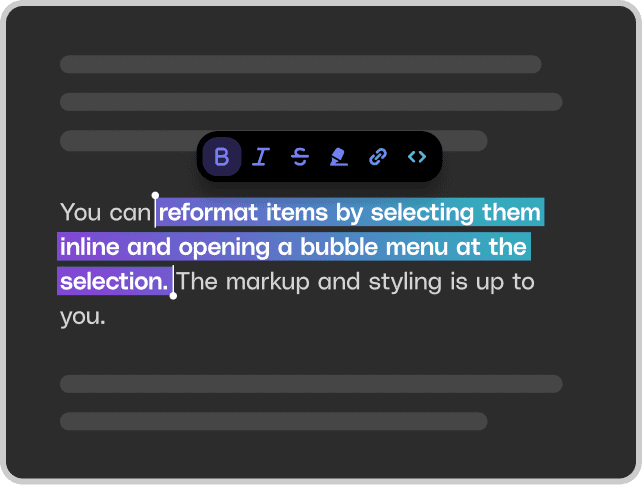
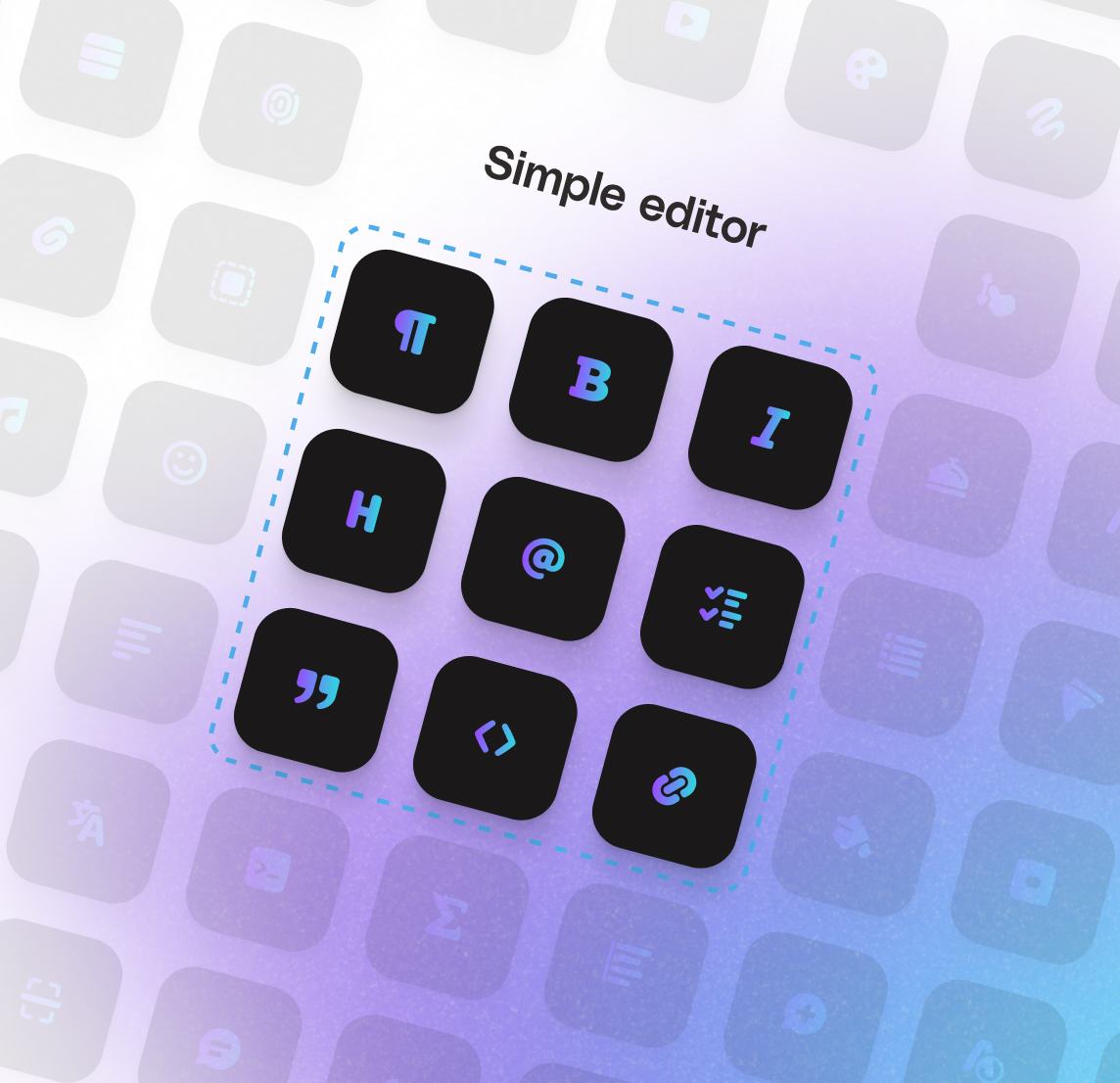
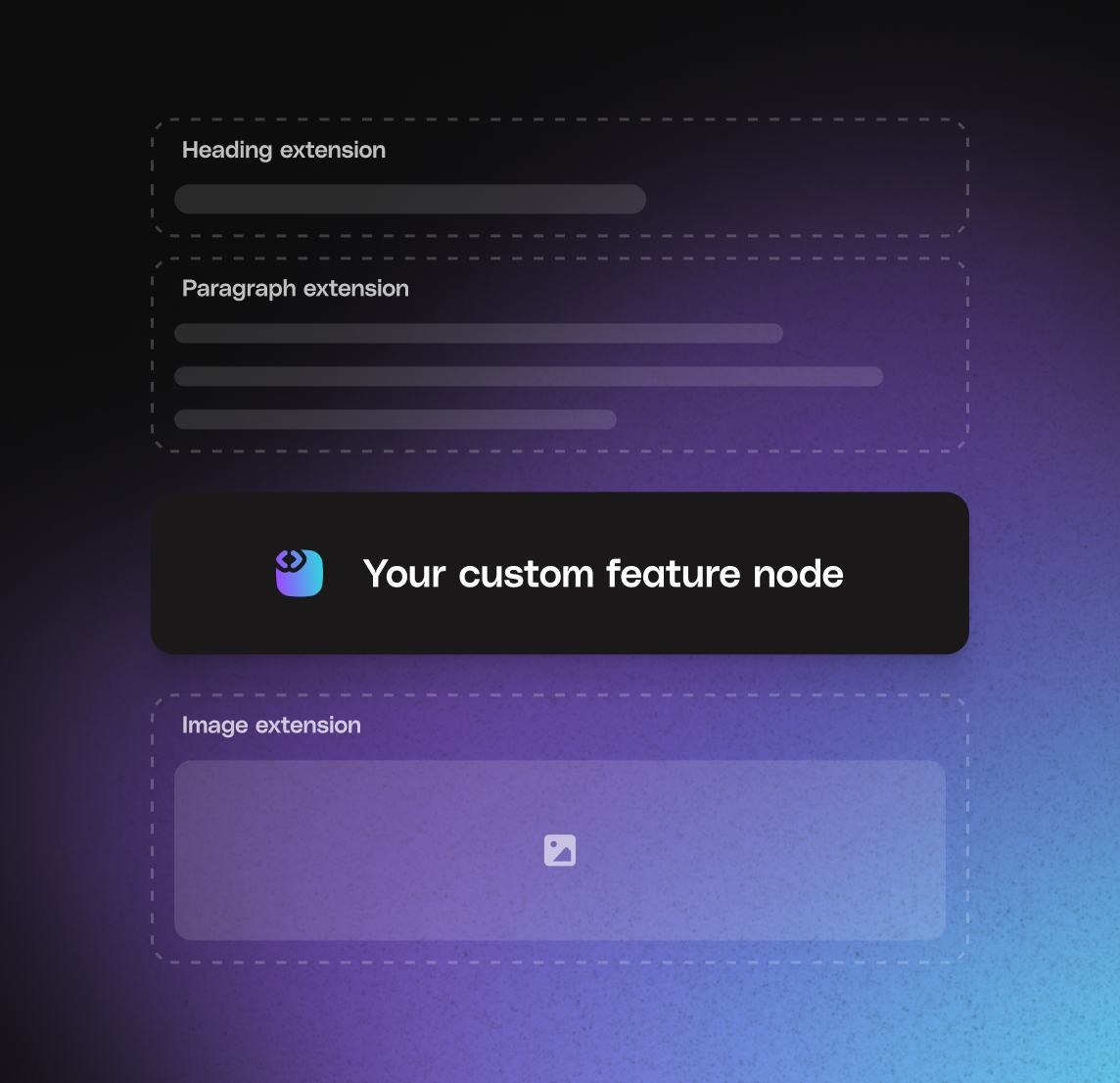
The pitch is simple: building a serious editor on raw ProseMirror takes months because the API is powerful but unforgiving. Tiptap wraps ProseMirror in a friendlier extension model so a developer can wire up a working editor in 50 lines of TypeScript, then progressively bolt on collaboration, comments, AI suggestions, mentions, mathematics, drag-and-drop blocks and tracked changes — all as composable extensions.


On Hacker News and Reddit's r/reactjs, Tiptap consistently surfaces as the recommended ProseMirror wrapper. A widely-upvoted HN comment from a Notesnook engineer notes that after a year in production, Tiptap was "a great choice" but called out a steep learning curve when writing custom node views. Ashby's engineering blog (the recruiting platform) published a multi-part case study in 2024 explaining why they migrated from Slate to Tiptap, citing fewer mysterious selection bugs and a healthier release cadence.
The most common complaints across G2 and Reddit are that documentation — while extensive — can feel scattered between the open-source editor docs and the paid Platform docs, and that the move toward a paid Platform model has put advanced collaboration, comments and AI behind subscriptions that previously had freer terms. A small but vocal Reddit thread also flagged migration friction between Tiptap v1 and v2, and again between v2 and v3 in 2025.
The core editor is MIT-licensed and free forever. Tiptap Platform (managed cloud documents, AI Toolkit, Pro extensions) is priced per environment with developer-license tiers. All paid plans include a 30-day free trial without a credit card.
| Plan | Price (annual) | Key Limits |
|---|---|---|
| Open Source | $0 | Editor + Hocuspocus self-hosted, MIT license, community support |
| Start | From $49/mo | 500–50,000 cloud docs, 2 environments, 2 developer licenses, in-line AI extension, simple DOCX |
| Team | From $149/mo | 5,000–200,000 cloud docs, 3 environments, 5 developer licenses, webhook + API access, email support |
| Business | From $999/mo | 50,000–500,000 cloud docs, 5 environments, 10 developer licenses, dedicated Slack channel |
| Enterprise | Custom | On-prem option, SSO, SOC 2 Type II, SLA, direct engineer access |

Best for: SaaS teams building a document-centric product (project management, knowledge base, CMS, legal tech, AI writing tool) where the editor is core but not the entire product. Teams comfortable with TypeScript and ProseMirror concepts will move fastest.
Not ideal for: Apps that just need a comment box — Tiptap is overkill compared to a textarea or simple markdown input. Teams that want a fully-styled drop-in editor with no theming work should look at CKEditor or Lexical instead. Building a true Google Docs competitor with hundreds of custom node types still favors raw ProseMirror, where Tiptap's abstractions can occasionally get in the way.
Pros:
Cons:
Lexical from Meta is a faster, more modern engine with stricter schemas, but its extension ecosystem is much smaller. Slate remains popular for highly custom editors but ships fewer batteries. CKEditor 5 is the enterprise incumbent with the richest UI out of the box but a heavier license model. For pure markdown use cases, simpler input libraries may be a better fit.
Yes — if you're building a SaaS product where rich text editing is a core surface, Tiptap is the safest 2026 default. The MIT-licensed core gives you escape hatches, the Platform gives you a working collaboration backend without the multi-month build, and the AI Toolkit released in early 2026 plugs the rapidly-growing "AI inside the document" pattern straight into your stack. Score: 88/100 — the deductions are for the steep migration cost between major versions and a Platform price ladder that gets expensive fast at scale.
ServiceNow and Accenture Launch Forward Deployed Engineering Program to Scale Agentic AI in the Enterprise (May 6, 2026)
At Knowledge 2026, ServiceNow and Accenture announced a joint forward deployed engineering program that drops co-located engineer pods into customer environments to ship agentic AI workflows natively on the ServiceNow AI Platform — with access to 300+ pre-built agent skills and the AI Control Tower as the governance backbone.
May 7, 2026
ReFiBuy Raises $13.6M Seed to Help Brands Get Recommended by AI Shopping Agents (May 5, 2026)
ReFiBuy, the Raleigh-based agentic commerce platform from ChannelAdvisor founder Scot Wingo, closed an oversubscribed $13.6M seed led by NewRoad Capital Partners on May 5, 2026 — betting that the next billion-dollar e-commerce moat is being chosen by ChatGPT, Claude and Perplexity.
May 7, 2026
OpenAI Replaces ChatGPT's Default Model With GPT-5.5 Instant — 52.5% Fewer Hallucinations, 30% Shorter Answers (May 5, 2026)
OpenAI on May 5 swapped GPT-5.3 Instant for the new GPT-5.5 Instant as ChatGPT's default model, claiming 52.5% fewer hallucinated claims on high-stakes prompts and 30% more concise answers. The model also rolls into the API as chat-latest and adds personalization from Gmail and past chats for Plus and Pro web users.
May 7, 2026
Is this product worth it?
Built With
Compare with other tools