 Developer Tools
Templ
Type-safe HTML templating language for Go with compile-time safety
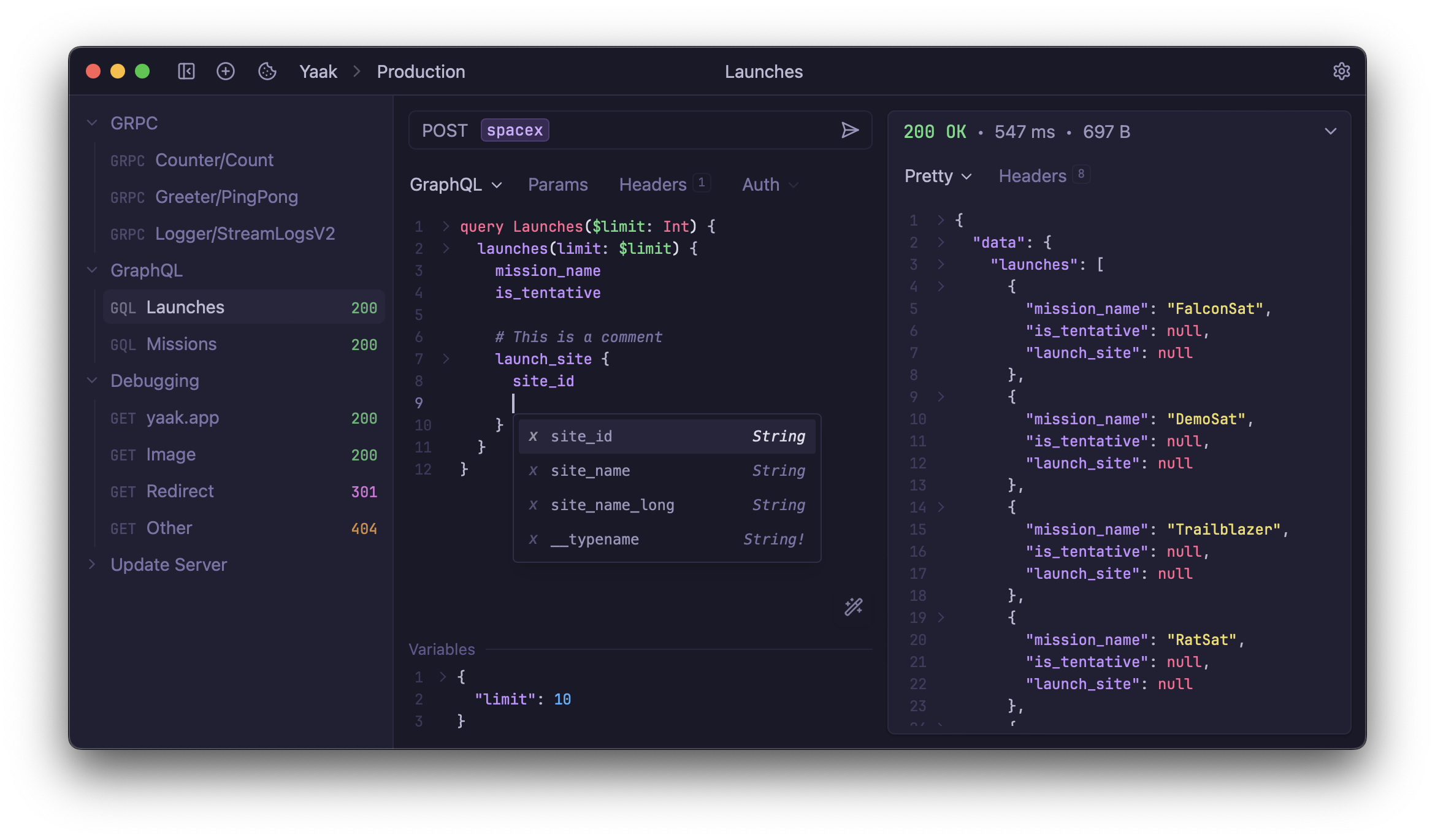
Yaak is a fast, offline-first API client for REST, GraphQL, gRPC, WebSocket, and Server-Sent Events — built by Greg Schier, the original creator of Insomnia. Free for personal use, MIT-licensed, and a serious Postman alternative.
Yaak is a fast, offline-first desktop API client built by Greg Schier — the same engineer who created and sold Insomnia in 2019. We rate it 88/100: it is the most polished open-source Postman alternative we have tested in 2026, and the right pick for any developer who wants Insomnia's old UX without the cloud account or AI-feature bloat.
Yaak is a desktop API client for REST, GraphQL, gRPC, WebSockets, and Server-Sent Events. It is built by Mountain Loop Labs, the one-person company behind Greg Schier, who launched the original Insomnia in 2014 and sold it to Kong in 2019. The first commit landed on , and the public 1.0 shipped in . The repo at mountain-loop/yaak currently sits at 18,498 stars and 741 forks under an MIT license, and the official site reports 122,000+ downloads.
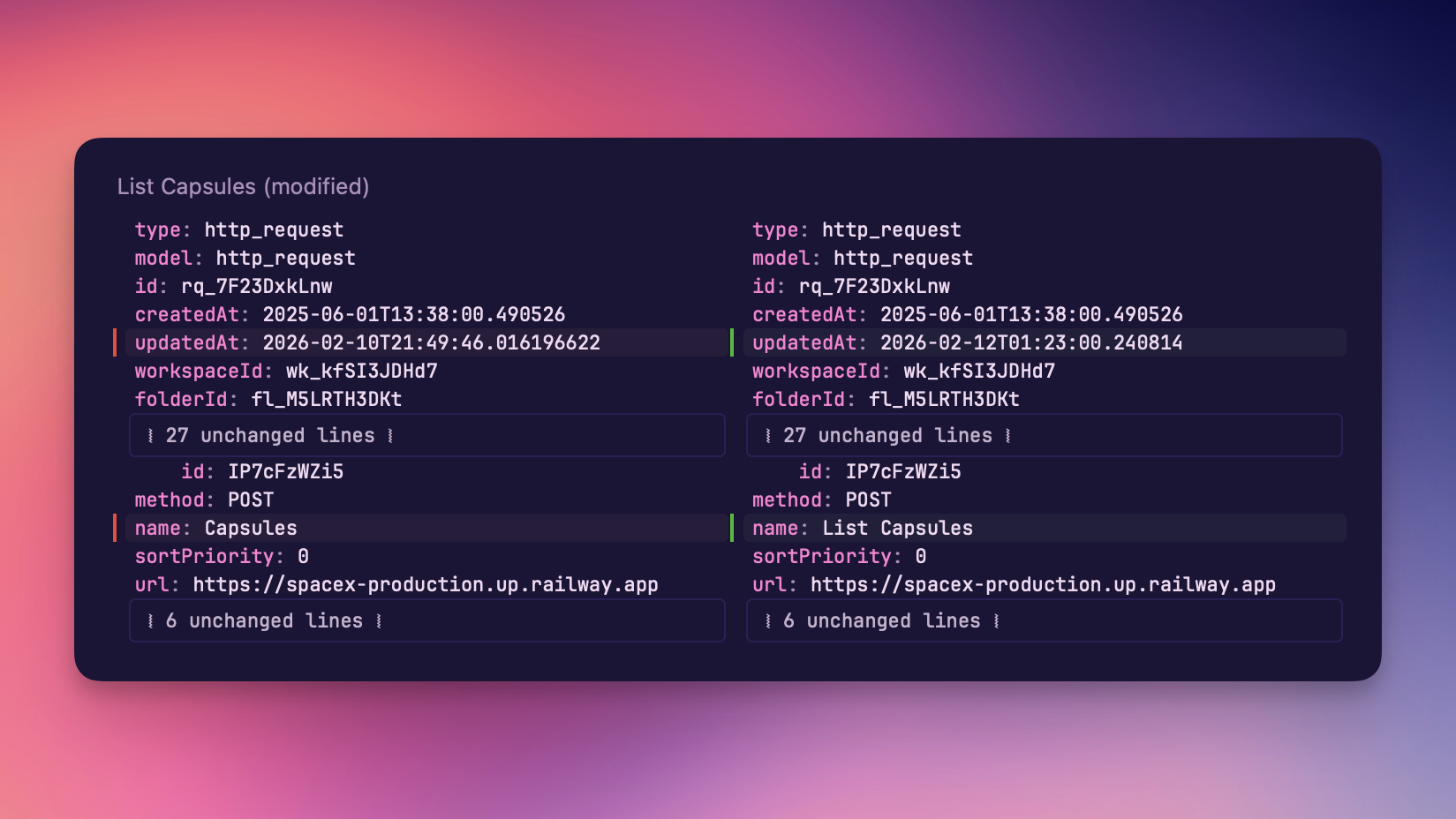
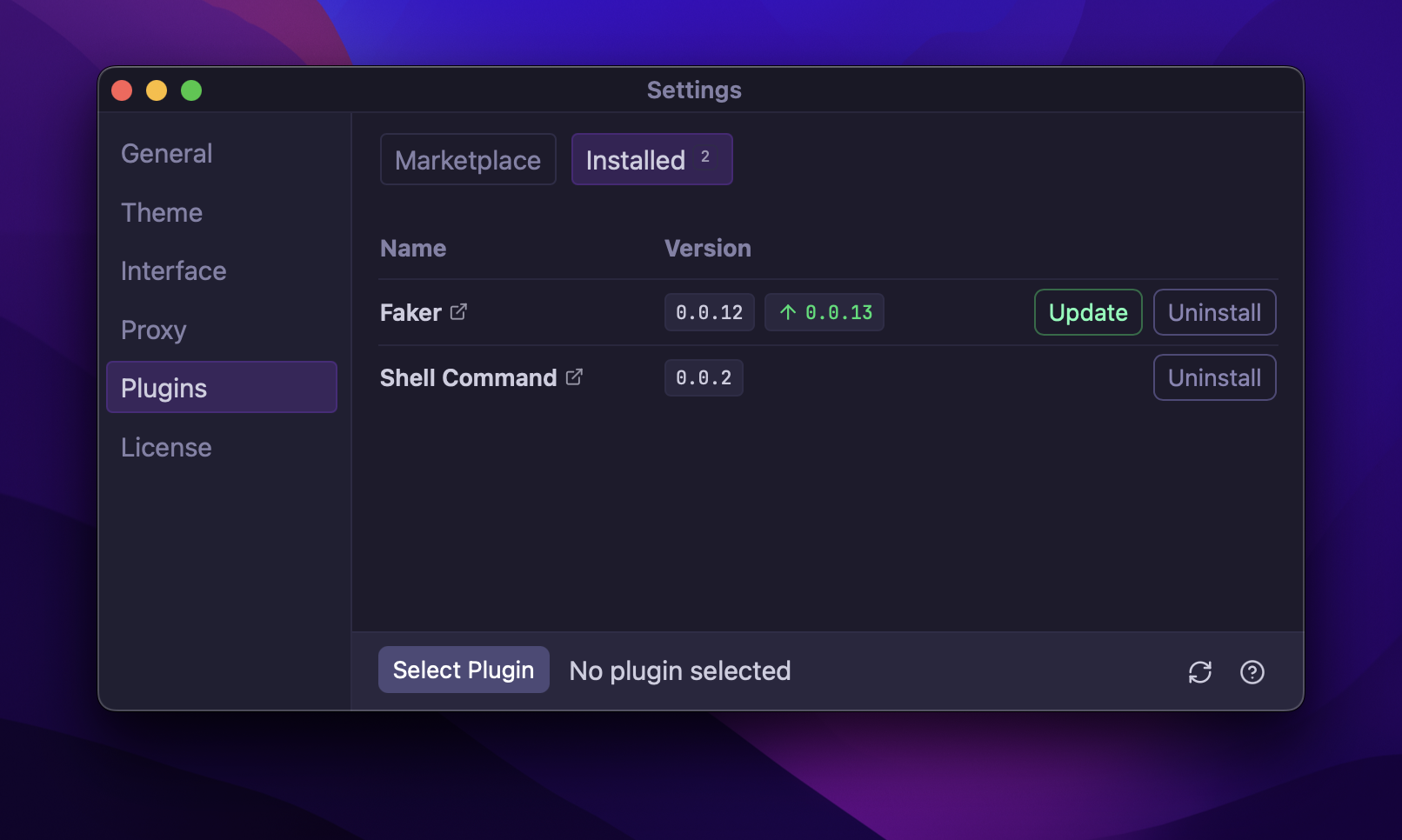
What separates Yaak from Postman, Insomnia, and Bruno is its uncompromising local-first design: no required account, no telemetry, no cloud sync, no AI assistant trying to upsell you. Secrets are encrypted at rest and stored in your OS keychain, and workspaces can optionally be mirrored to plain-text JSON for Git or Dropbox versioning — the feature Insomnia removed and Postman never shipped properly.
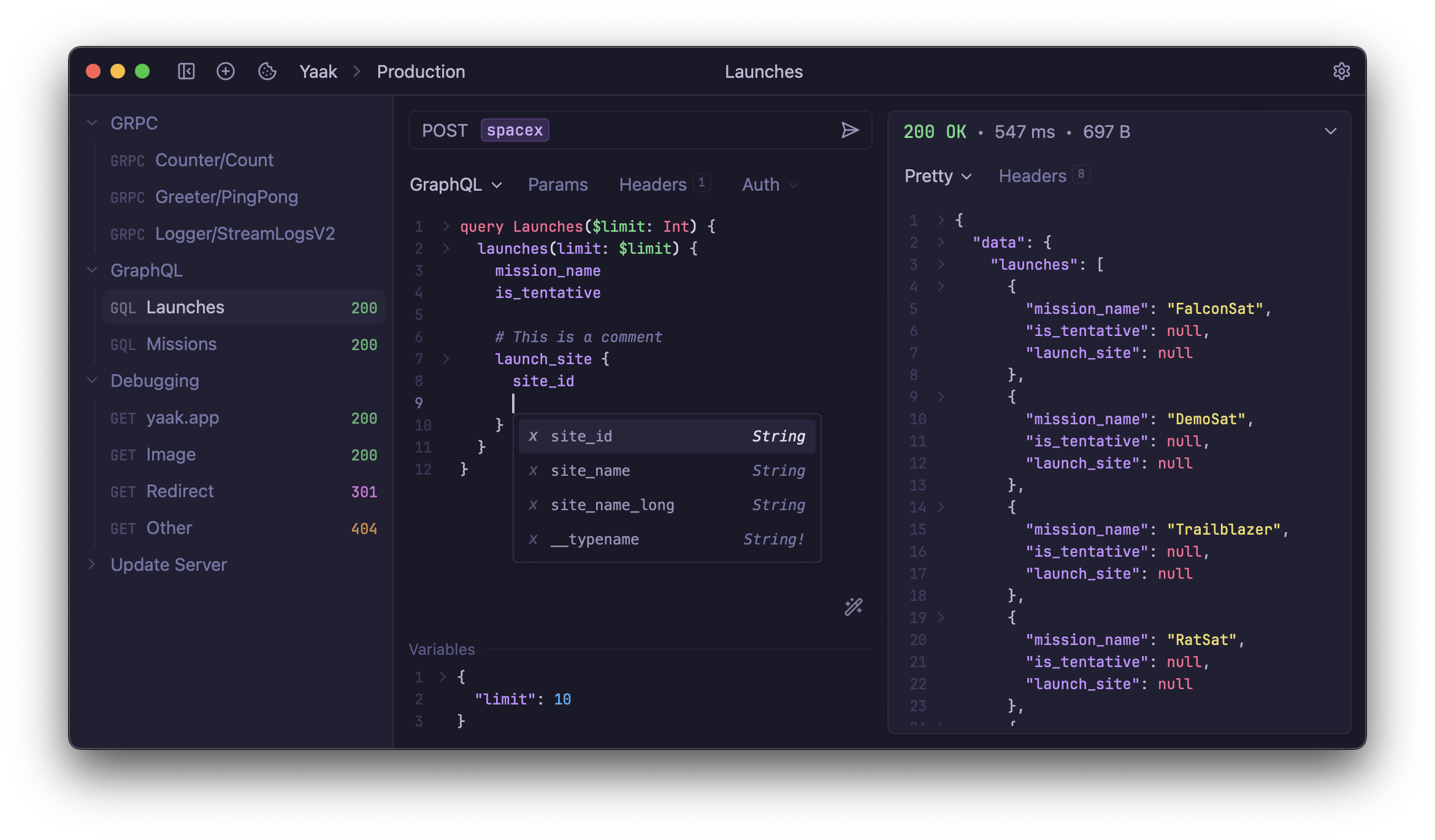
curl commands — tested against multi-megabyte real-world collections.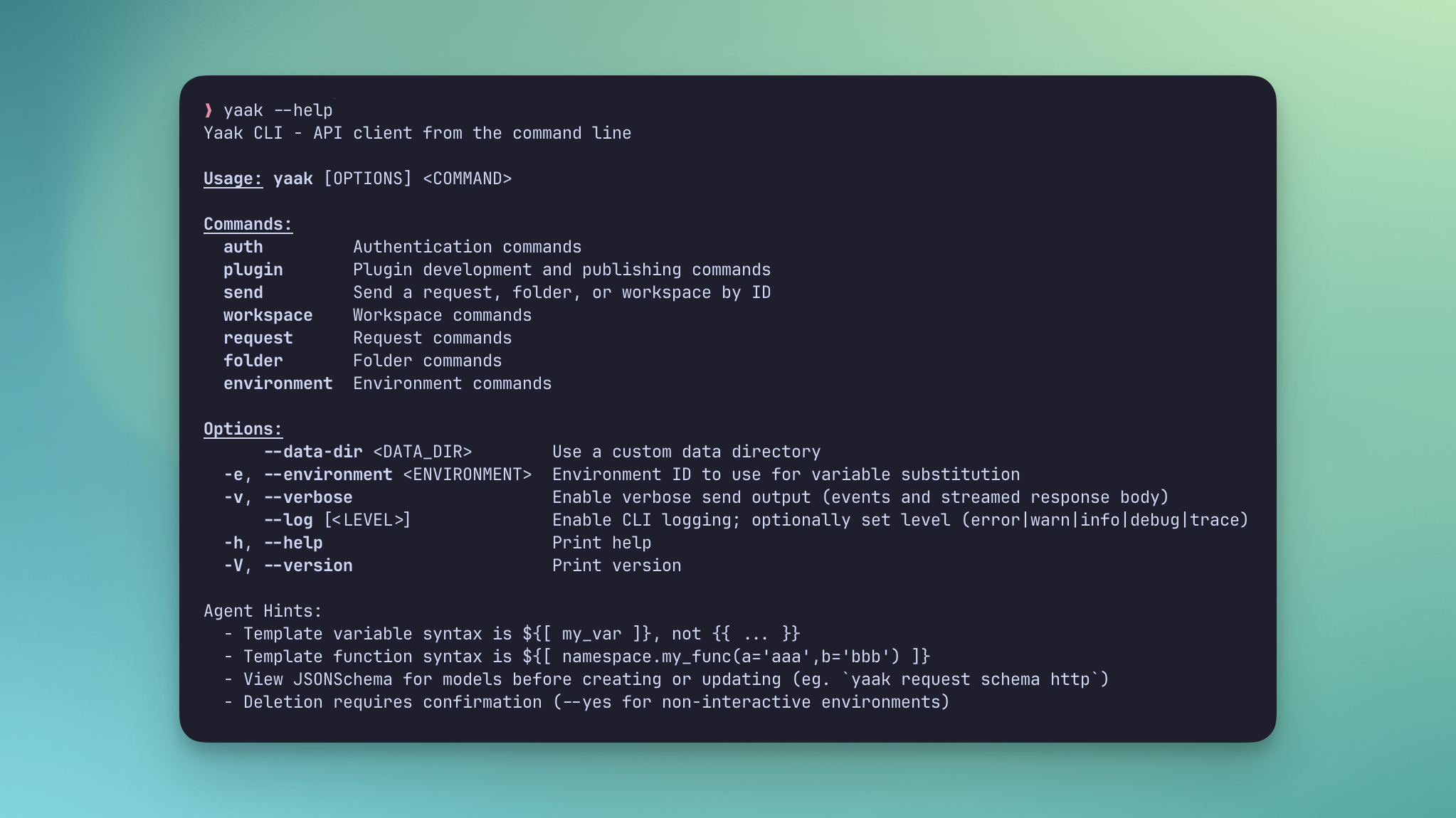
Sentiment is unusually positive. On r/webdev and r/devops, top-voted threads call it “the Postman alternative that finally sticks” and praise the speed: developers report sub-second cold starts and instant request switching even on 500-request collections. Hacker News launch threads describe Yaak as “Insomnia how it should have been” and credit Greg's track record. Twitter/X testimonials from EGOIST, Tim Cole, and the founder of Bytebase echo the same theme: clean UI, no bloat, no AI nonsense.
The recurring complaints are honest. Reddit threads flag that real-time team collaboration is not built in — Yaak is local-first, so you collaborate via Git, not via a Postman-style cloud workspace. Some teams coming from Postman miss the built-in test-runner UI (Yaak supports request scripting via plugins, but it is not as discoverable). And the commercial license model trips people up: while the source is MIT and free for any use, the prebuilt commercial binaries cost $79/year per individual or $149/user/year for businesses.
Yaak is dual-licensed: MIT source code that you can build and use yourself for free, plus paid commercial licenses for the official prebuilt binaries used at work.
| Plan | Price | Best For |
|---|---|---|
| Personal (free) | $0 | Hobby projects, learning, personal API testing. |
| Individual Annual | $79 / year | Solo developers using Yaak at work. |
| Individual Lifetime | $299 one-time | Pay once, all future updates, no renewal. |
| Business | $149 / user / year | Teams that need transferable licenses and priority support. |
A 30-day commercial trial activates automatically the first time you launch the app — no credit card or signup. Yaak also offers 50% PPP discounts for residents of eligible countries.
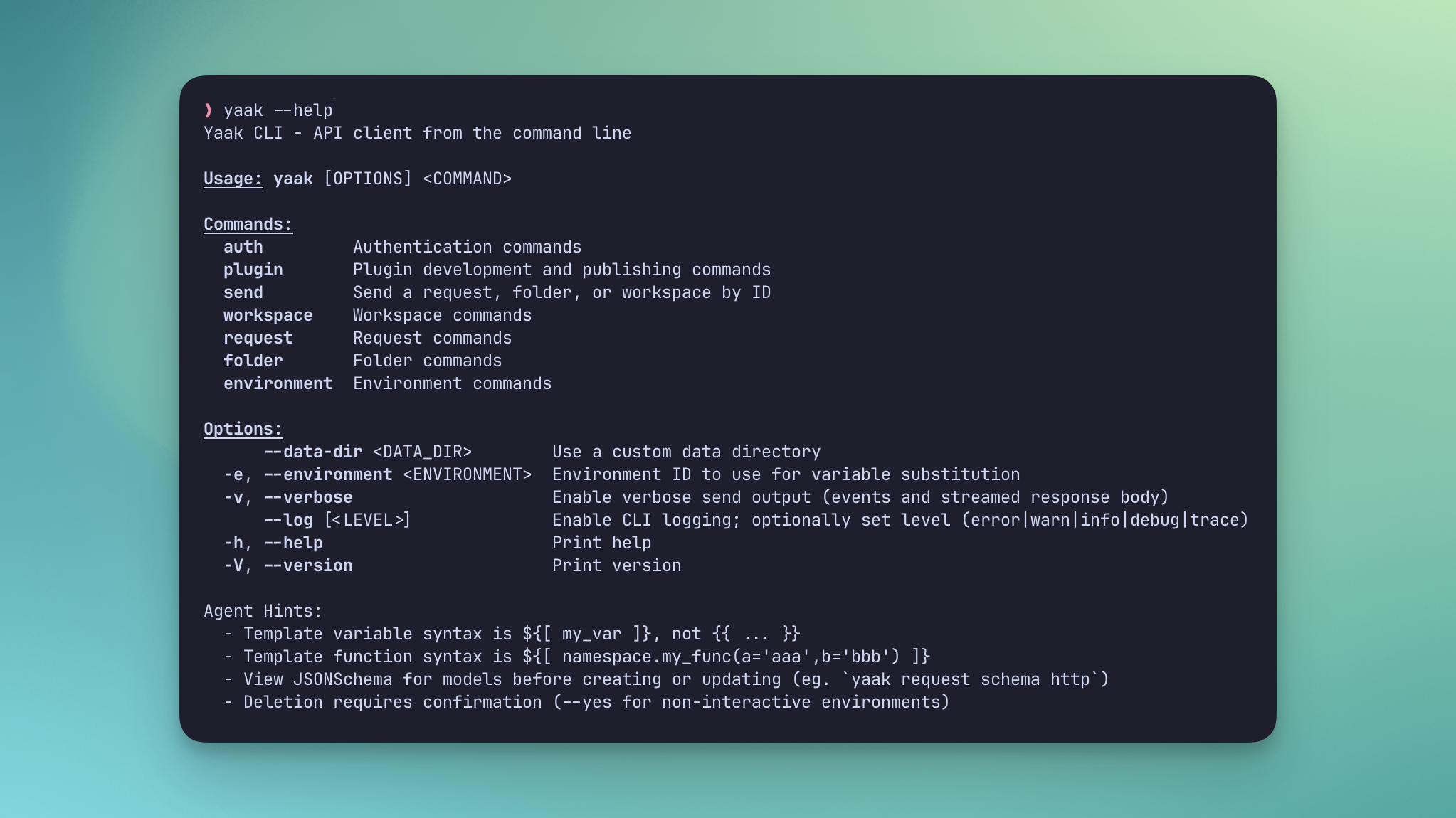
Best for: Backend, mobile, and full-stack developers who already version code in Git and want their API collections to live alongside it. Privacy-conscious teams that refuse to send request payloads to a vendor cloud. Anyone who liked early Insomnia (2017–2019) and wants that feel back. Coding-agent users (Claude Code, Cursor, Aider) who want to script requests through the new CLI.
Not ideal for: Large enterprise QA teams that depend on Postman's cloud-based test runner, monitors, and mock servers, or non-technical users who need a hosted workspace with shared edit access.
Pros: ~30 MB binary with sub-second cold start; true offline-first with no telemetry; first-class Git-friendly plain-text mode; MIT-licensed source; built by the original Insomnia creator; monthly release cadence through 2025–2026.
Cons: No built-in cloud sync or real-time team workspaces; commercial license required for prebuilt binaries at work; test-runner UI is plugin territory; plugin ecosystem still young.
The three direct competitors are Postman (cloud-first, feature-heavy, increasingly priced for enterprises), Bruno (also Git-friendly and open source, but rougher UX and narrower protocol coverage), and Insomnia (now Kong-owned, recently shifted toward forced cloud accounts). Hoppscotch is a free web-based option but lacks Yaak's gRPC and authentication depth.
Yes — if you have ever felt that Postman or Insomnia stopped serving you and started serving their growth team, Yaak is the obvious move. The $79/year individual license is fair for what you get, and the lifetime $299 plan is the right pick if you expect to use it for more than four years. We rate it 88/100; the missing points are about the lack of cloud collaboration and a still-young plugin ecosystem — problems Yaak's public roadmap is openly tackling.
ServiceNow and Accenture Launch Forward Deployed Engineering Program to Scale Agentic AI in the Enterprise (May 6, 2026)
At Knowledge 2026, ServiceNow and Accenture announced a joint forward deployed engineering program that drops co-located engineer pods into customer environments to ship agentic AI workflows natively on the ServiceNow AI Platform — with access to 300+ pre-built agent skills and the AI Control Tower as the governance backbone.
May 7, 2026
ReFiBuy Raises $13.6M Seed to Help Brands Get Recommended by AI Shopping Agents (May 5, 2026)
ReFiBuy, the Raleigh-based agentic commerce platform from ChannelAdvisor founder Scot Wingo, closed an oversubscribed $13.6M seed led by NewRoad Capital Partners on May 5, 2026 — betting that the next billion-dollar e-commerce moat is being chosen by ChatGPT, Claude and Perplexity.
May 7, 2026
OpenAI Replaces ChatGPT's Default Model With GPT-5.5 Instant — 52.5% Fewer Hallucinations, 30% Shorter Answers (May 5, 2026)
OpenAI on May 5 swapped GPT-5.3 Instant for the new GPT-5.5 Instant as ChatGPT's default model, claiming 52.5% fewer hallucinated claims on high-stakes prompts and 30% more concise answers. The model also rolls into the API as chat-latest and adds personalization from Gmail and past chats for Plus and Pro web users.
May 7, 2026
Is this product worth it?
Built With
Compare with other tools
Open Comparison Tool →