Apple's iOS 26 SDK Deadline Hits April 28 — Every New App Update Must Ship With Xcode 26 and Liquid Glass (April 2026)
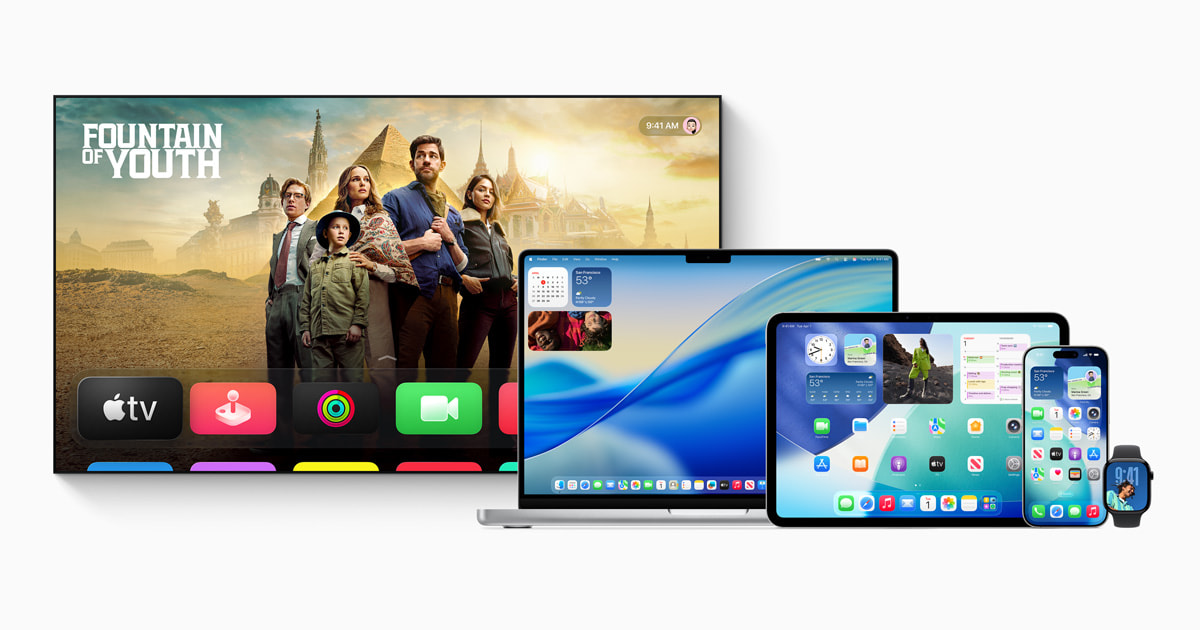
From April 28, 2026, every app uploaded to App Store Connect must be built with Xcode 26 and the iOS 26, iPadOS 26, tvOS 26, visionOS 26, or watchOS 26 SDK. Builds done with older Xcode versions will be rejected — and the new SDK silently applies Apple's controversial Liquid Glass design to native UI by default.
Apple's long-flagged App Store SDK deadline arrives on . From that date, every app and game uploaded to App Store Connect must be built with Xcode 26 or later using one of the iOS 26, iPadOS 26, tvOS 26, visionOS 26, or watchOS 26 SDKs. Submissions built against older SDKs — including iOS 18 — will be rejected at upload, and the change applies to both new apps and updates to existing ones.
What Happened
Apple first published the requirement in a Developer News post on , and confirmed the cutover this week as the deadline approaches. The notice on the official Apple Developer site states that the new minimums apply across iPhone, iPad, Apple TV, Apple Vision Pro, and Apple Watch, with the watchOS submission also now requiring 64-bit binaries. There are no exceptions for indie developers, and unlike previous transitions Apple is not granting an extra grace period.
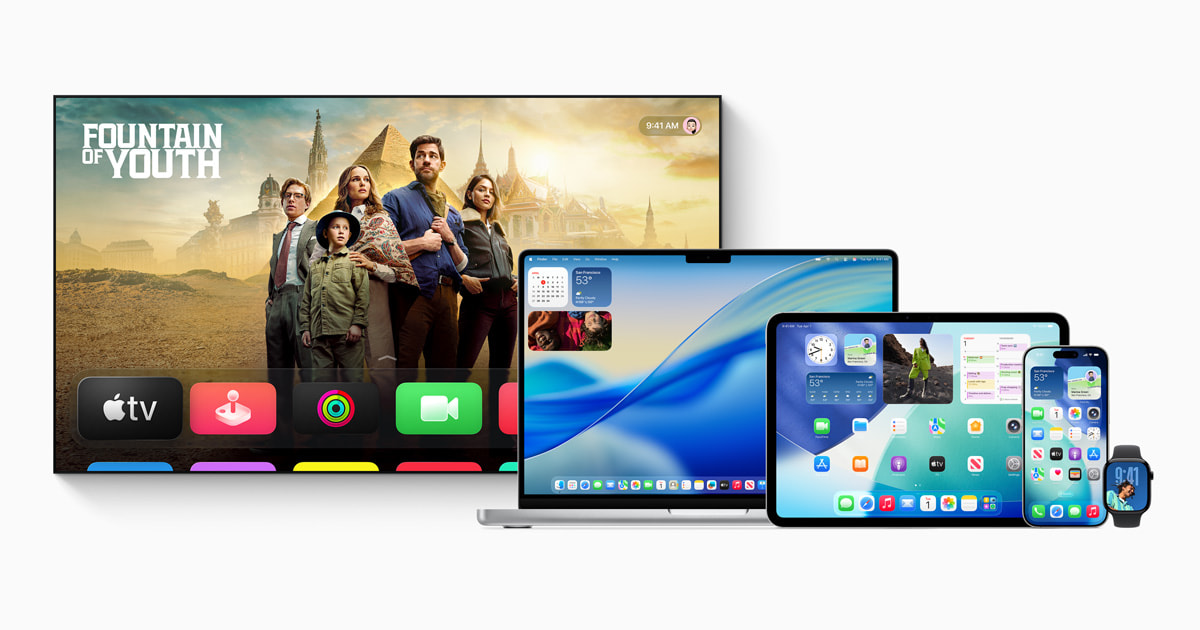
The most consequential side effect is visual. Apps recompiled against the iOS 26 SDK automatically pick up Liquid Glass, the translucent, dynamically-refracting design language Apple introduced at WWDC 2025. Native UIKit and SwiftUI controls — tab bars, navigation bars, alerts, sheets, segmented controls — are restyled at runtime unless the developer opts out by setting UIDesignRequiresCompatibility to YES in the app's Info.plist. Apple has signalled that this opt-out is temporary: AppleInsider reported on March 26 that the deferral flag will be disabled in Xcode 27, making Liquid Glass mandatory in the next cycle.
Key Details
- Effective date: , 00:00 PT — App Store Connect uploads only.
- Required toolchain: Xcode 26.0 or later, paired with iOS 26 / iPadOS 26 / tvOS 26 / visionOS 26 / watchOS 26 SDKs.
- Apps already on the App Store: remain installable and continue to receive bug fixes only if rebuilt with the new SDK; older binaries can no longer be updated.
- Liquid Glass behaviour: applied automatically to native components on rebuild; opt out via
UIDesignRequiresCompatibilityin Info.plist for one cycle. - watchOS change: watchOS 26 submissions must now ship as 64-bit binaries — a separate migration from the SDK bump.
- Age-rating prerequisite: apps that did not respond to Apple's updated age-rating questionnaire by January 31, 2026 are already blocked from submission until the answers are filed.
What Developers and Users Are Saying
Reaction in developer communities is split between resignation and frustration. On Hacker News, the most-discussed thread of the past month, "Liquid Glass Is Cracked, and Usability Suffers in iOS 26", drew hundreds of comments arguing that the new look hurts text readability and accessibility on top of older iPhones. Other commenters, including user Sophira, flagged operational risk: "App stores tend to have a range of SDK versions they will accept, and in some cases will even unpublish apps built with old SDK versions."
Reddit's r/iOSProgramming has been dominated for two weeks by migration threads — most reporting straightforward rebuilds, but a non-trivial minority describing custom styling that conflicts with Liquid Glass overlays, particularly in fintech and game UIs. Reddit, the company, also confirmed in a 9to5Mac interview on April 16 that its iOS app is adopting Liquid Glass voluntarily before the deadline.
Captain SwiftUI's interview with Apple after WWDC 2025 reported that Apple was met with "genuine shock" at the strength of the early backlash and is making it emphatically clear that Liquid Glass is moving forward across the entire ecosystem.
What This Means for Developers
If you ship to the App Store and have not yet migrated, the practical checklist is short but unavoidable:
- Upgrade to Xcode 26.0+ and a macOS that supports it.
- Rebuild against the iOS 26 / iPadOS 26 / watchOS 26 / tvOS 26 / visionOS 26 SDK.
- Decide whether to adopt Liquid Glass now or set
UIDesignRequiresCompatibilityfor one more cycle. - Re-test custom UIKit/SwiftUI styling, since translucent backgrounds in Liquid Glass can clash with hard-coded backgrounds and shadows.
- For watchOS, audit any 32-bit dependencies and rebuild to 64-bit.
Teams that miss the deadline cannot push critical updates — including security patches — until the migration is complete. For solo developers and small studios, that risk window can be days or weeks if Xcode 26 surfaces unrelated bugs in CI. Apple's Upcoming Requirements page remains the authoritative reference.
What's Next
The next pressure point is Xcode 27, expected at WWDC 2026 in June. According to AppleInsider, the deferral flag that lets developers opt out of Liquid Glass will be removed in Xcode 27, making the design mandatory for any app rebuilt against next year's SDK. Apple is also consolidating its OS naming around the year format (iOS 26, iOS 27 …), so future SDK deadlines are likely to follow the same April-of-following-year cadence.
Sources
- Apple Developer — Upcoming SDK minimum requirements — primary source from Apple.
- 9to5Mac — Apple updates minimum SDK requirements for App Store apps — early industry coverage.
- Hacker News — Liquid Glass Is Cracked, and Usability Suffers in iOS 26 — developer reaction thread.
- AppleInsider — Liquid Glass will be mandatory in iOS 27 — analysis of the next deadline.
- Stora — The iOS 26 SDK Deadline Is April 28: What You Actually Need to Do — migration playbook.
- Prism News — Apple mandates iOS 26 SDK and Xcode 26 for App Store submissions — independent corroboration.
Stay up to date with Doolpa
Subscribe to Newsletter →