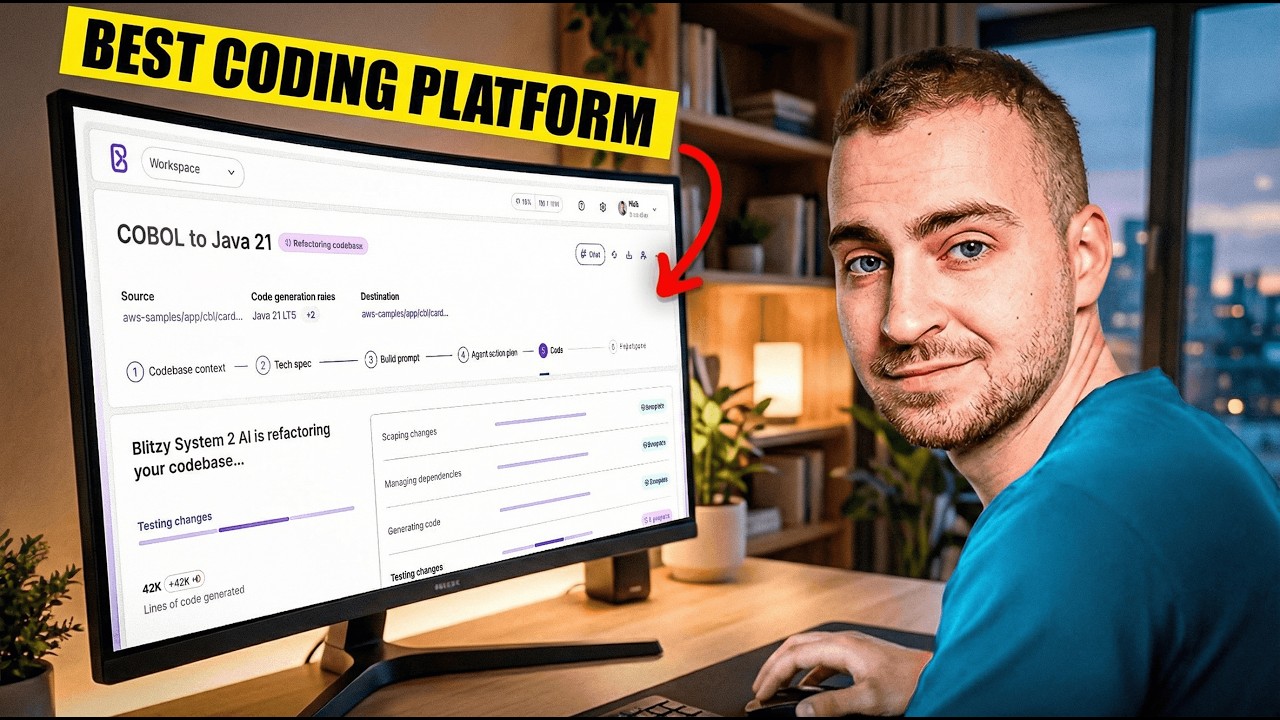
Blitzy Raises $200M at $1.4B Valuation to Deploy Thousands of Autonomous Coding Agents in Parallel (May 5, 2026)
Cambridge, Mass.-based Blitzy raised $200M at a $1.4B valuation on May 5, 2026 in a round led by Northzone. The autonomous software development startup ingests up to 100M lines of code in a single pass and recently scored a record 66.5% on SWE-Bench Pro, betting that orchestrating thousands of parallel agents — not bigger single models — is the next leap in coding productivity.
Cambridge, Massachusetts–based Blitzy on announced a $200 million funding round at a $1.4 billion post-money valuation, vaulting the autonomous software development startup into unicorn territory and giving it the largest war chest yet in the agentic-coding category. Northzone led the round, with new investors PSG, Battery Ventures and Jump Capital joining existing backers NFX, Link Ventures and Flybridge. Blitzy has now raised more than $204.4M total since founding in 2023.
What Happened
Blitzy — founded by CEO Brian Elliott (a former Army Ranger and founder of Wove) and CTO Sid Pardeshi (an Nvidia alum with 27+ patents in neural networks and AI-driven interface translation) — disclosed the round via Business Wire on May 5. Northzone led, with strategic investments from Liberty Mutual Strategic Ventures, Erie Strategic Ventures and BAL Ventures alongside the financial syndicate. Coverage from Crunchbase News, SiliconANGLE, Tech Funding News and the company's own press release all confirm the $1.4B valuation and the same investor lineup.
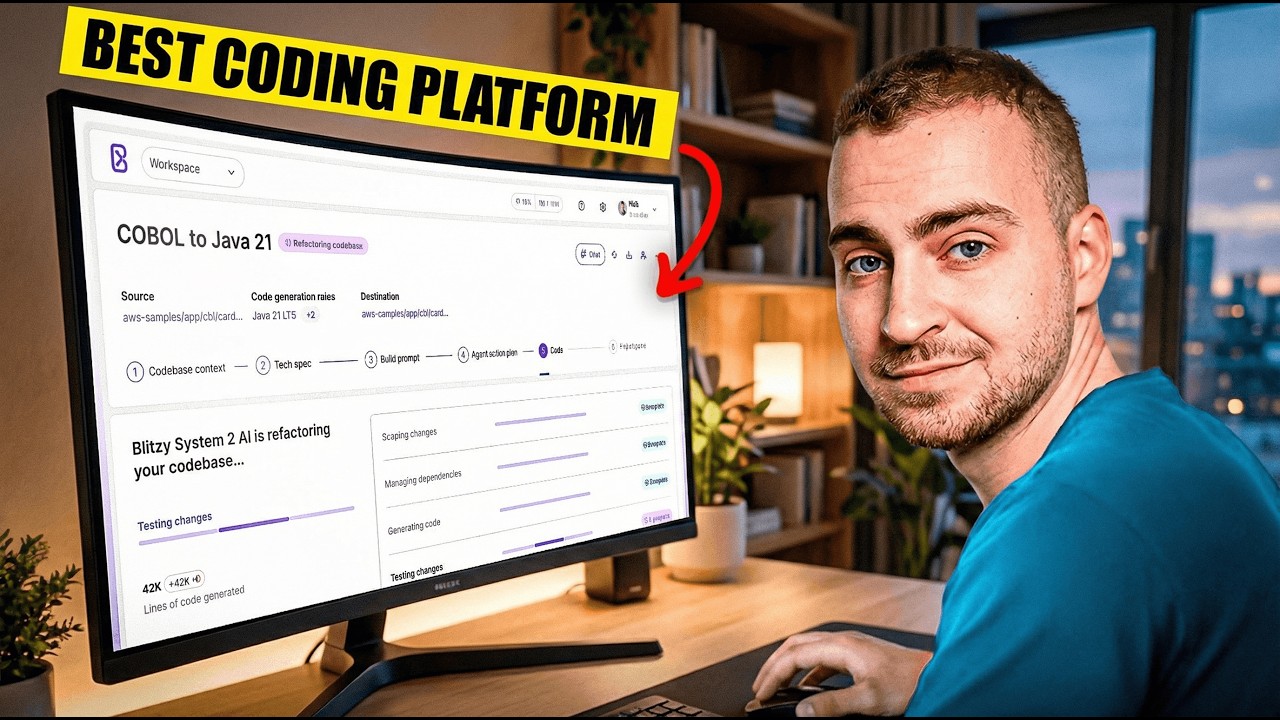
The pitch: instead of treating coding agents as IDE copilots that hover next to a single human developer, Blitzy reverse-engineers an entire enterprise codebase — the company says up to 100 million lines in a single pass — into a dynamic knowledge graph, then orchestrates thousands of specialized agents in parallel for days or even weeks of uninterrupted inference. The output is reviewed in a Progress Dashboard with confidence scores, then pushed to the customer's repo.
Key Details
- $200M raised at a $1.4B valuation — led by Northzone, with PSG, Battery Ventures, Jump Capital, NFX, Link Ventures, Flybridge, Liberty Mutual Strategic Ventures, Erie Strategic Ventures and BAL Ventures participating.
- Total raised to date: $204.4M+ since the company launched in 2023.
- Benchmark performance: Blitzy scored a record 66.5% on SWE-Bench Pro Public (486 of 731 tasks), independently verified by Quesma — beating reported runs from GPT-5.4, Claude Code Opus 4.5 and WarpGrep harnesses.
- Codebase scale: Blitzy says its dynamic knowledge graph ingests up to 100M lines of code in one pass, designed for Global 2000 monorepos.
- Customer claim: "5x engineering velocity" for some of the world's largest enterprises, with deployments inside government, financial services and insurance customers.
- Use of funds: expand the research team and scale go-to-market, with a continued focus on regulated industries.
What Developers and Users Are Saying
Reaction across Hacker News and developer-focused commentary is split along the same lines as the broader agentic-coding debate. Quesma's independent verification post on dev.to ("Compare harnesses not models: Blitzy vs GPT-5.4 on SWE-Bench Pro") makes the case that Blitzy's 66.5% score is a harness-and-orchestration win rather than a foundation-model win — meaning the gap is reproducible and durable rather than tied to any one model release. NFX's lead partner published a "Why we were first money into Blitzy" essay framing the company as a structural bet on parallel agents rather than single-shot copilots. Skeptics on X and HN focus on two recurring questions: whether enterprise teams will trust thousands of unattended agents to ship to production-grade repos, and whether Blitzy's $1.4B valuation is justified ahead of clear ARR disclosure.
What This Means for Developers
For individual developers using IDE copilots like Cursor or GitHub Copilot, Blitzy is not a direct competitor — the company's wedge is regulated enterprises with hundreds of millions of lines of legacy code. But the bigger signal is architectural: Blitzy's bet is that the next leap in productivity comes not from a smarter single agent inside an IDE, but from coordinating thousands of cheaper agents in parallel against a unified codebase knowledge graph. If Blitzy's SWE-Bench Pro lead holds, expect the rest of the agentic-coding stack — including foundation-model labs and IDEs — to invest heavily in orchestration, codebase indexing, and "harness" engineering rather than just bigger models.
Practical near-term impact: regulated-industry engineering leaders should expect Blitzy procurement pitches inside the next two quarters; open-source maintainers should expect a wave of automated PRs from teams piloting Blitzy or its competitors against public repos.
What's Next
Blitzy says the new capital will fund research-team expansion and a deeper push into government, financial services and insurance — verticals where Liberty Mutual and Erie's strategic investments give it warm intros. Watch for: a public ARR disclosure (Blitzy has not published one), formal SOC 2 / FedRAMP posture for federal customers, and the next SWE-Bench Pro / SWE-Bench Verified leaderboard run. The company's public benchmark blog and engineering posts continue at blitzy.com/blog.
Sources
- Business Wire — Blitzy press release (May 5, 2026) — primary source for the funding figures, investor list and founder bios.
- Crunchbase News — Blitzy Raises $200M At $1.4B Valuation — independent confirmation and broader market framing.
- SiliconANGLE — deploy thousands of coding agents in parallel — technical platform detail.
- Blitzy blog — Record 66.5% on SWE-Bench Pro — official benchmark methodology.
- Quesma on dev.to — Compare harnesses not models — independent third-party verification of the benchmark result.
- NFX — Why We Were First Money Into Blitzy — investor thesis from existing backer.
Stay up to date with Doolpa
Subscribe to Newsletter →