Liquid Instruments Raises $50M Series C Co-Led by Keysight to Scale AI-Driven Software-Defined Test Platform (April 28, 2026)
Software-defined test maker Liquid Instruments closed a $50M Series C co-led by Keysight Technologies and Australia's National Reconstruction Fund Corporation, accelerating its AI-driven Moku platform across aerospace, defense and semiconductor.
Software-defined test-equipment maker Liquid Instruments on announced a $50 million Series C co-led by test-and-measurement giant Keysight Technologies and Australia's National Reconstruction Fund Corporation. The round is one of the largest disclosed test-and-measurement rounds of 2026 and targets aerospace, defense and semiconductor customers including Apple, NASA and the U.S. National Institute of Standards and Technology.
What Happened
Liquid Instruments closed a $50 million Series C on , with strategic capital from Keysight Technologies — a $16 billion incumbent in test-and-measurement — and sovereign development capital from Australia's National Reconstruction Fund Corporation (NRFC). The company said the cash will accelerate development of its FPGA-based Moku platform, scale its AI-driven test workflows, and grow its go-to-market reach in aerospace, defense and semiconductors.
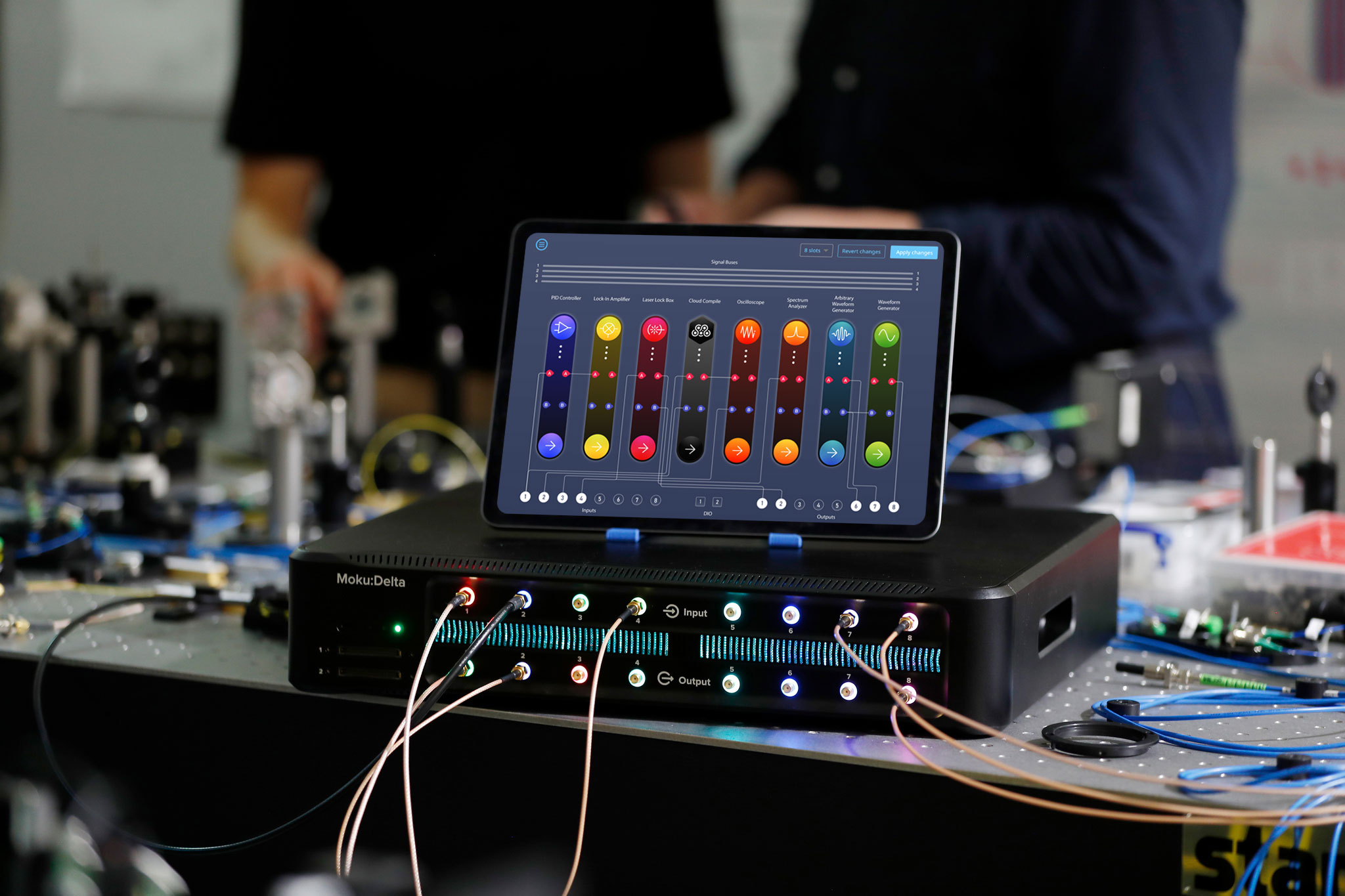
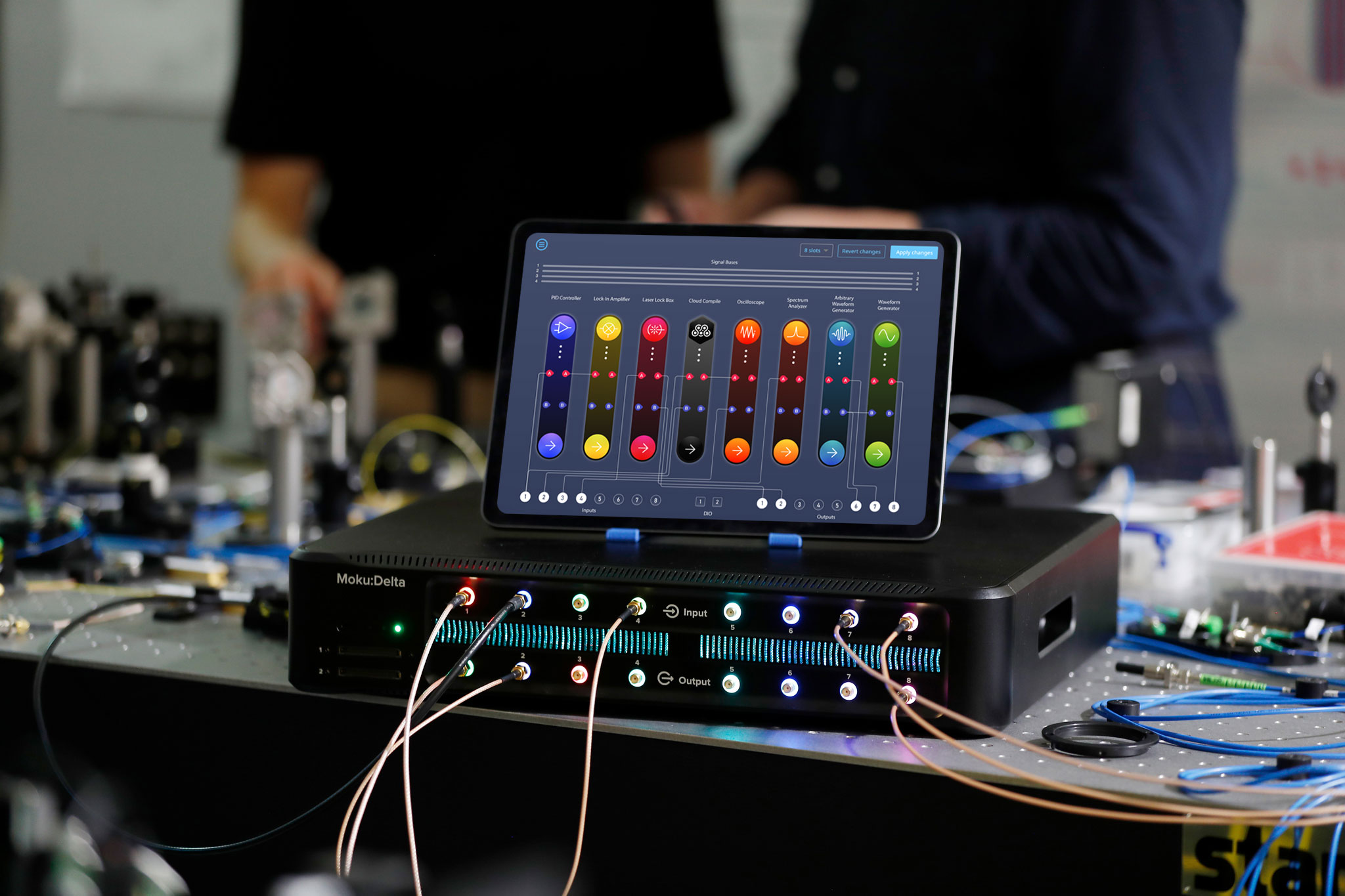
The Moku platform replaces a rack of traditional bench instruments — oscilloscopes, spectrum analyzers, signal generators, lock-in amplifiers — with a single reconfigurable FPGA box that swaps personality through firmware. New instruments arrive as software updates rather than new SKUs, a model that has earned Moku adoption inside Apple, NASA, NIST, university quantum laboratories and several defense primes.
Key Details
- Round size: $50 million Series C, co-led by Keysight Technologies and Australia's National Reconstruction Fund Corporation.
- Strategic angle: Keysight's investment aligns Liquid Instruments with the largest test-and-measurement vendor in the world rather than treating it as a competitor.
- Sovereign capital: NRFC's participation comes with Australian-manufacturing expansion commitments tied to the country's industrial-policy goals.
- Customer roster: Apple, NASA, the U.S. National Institute of Standards and Technology, university quantum laboratories and unnamed defense contractors.
- Use of funds: product development, scaling the AI-powered test platform, and verticalized go-to-market in aerospace, defense and semiconductor.
What Developers and Engineers Are Saying
Hardware engineers on Hacker News and r/electronics have historically described Moku as "Software-Defined Radio for the lab bench," noting that a $5,000–$10,000 reconfigurable box can replace tens of thousands of dollars of single-purpose instruments — a particularly attractive trade for university labs and small hardware startups. The recurring complaint, raised again in the funding-announcement threads, is that Liquid Instruments' instruments are still closed: users cannot drop in their own FPGA bitstreams the way they can with a SDRPlay or LimeSDR, which limits how far the "software-defined" promise actually goes for advanced research teams.
Defense and quantum-computing engineers were more uniformly positive. Several noted that having Keysight as a strategic investor materially de-risks long procurement cycles where program managers want a clear roadmap and an exit-friendly cap table.
What This Means for Engineers
For hardware teams, the round signals that the software-defined-instrument category is graduating from hobbyist curiosity to a viable line item in defense and semiconductor capex budgets. Expect Liquid Instruments to push harder on AI-assisted test workflows — the company explicitly framed the round as funding for an "AI-powered platform" — which suggests upcoming features around automated anomaly detection, ML-based signal classification and agentic test-script generation.
For competitors, the Keysight investment is the most consequential signal. Tektronix, Rohde & Schwarz and the open-source SDR community now have a well-capitalized, FPGA-native challenger backed by the category leader rather than fighting it.
What's Next
Liquid Instruments said the capital will be deployed against three vectors: deeper FPGA-based instrument coverage on the Moku platform, AI-driven test automation, and a Keysight-aligned go-to-market push into aerospace, defense and semiconductor accounts. Australian-manufacturing expansion tied to NRFC's mandate is expected to follow over the next 12–18 months.
Sources
- Liquid Instruments official Series C announcement — primary source from the company.
- BusinessWire press release — full investor list and terms.
- SiliconANGLE coverage — analyst framing of the AI-driven test angle.
- The Quantum Insider — quantum and research-lab use cases.
- Pulse 2.0 — independent reporting on the round.
Stay up to date with Doolpa
Subscribe to Newsletter →