Lovable Ships Mobile Vibe-Coding App on iOS and Android — Web-Only Previews to Skirt Apple's Crackdown (April 27, 2026)
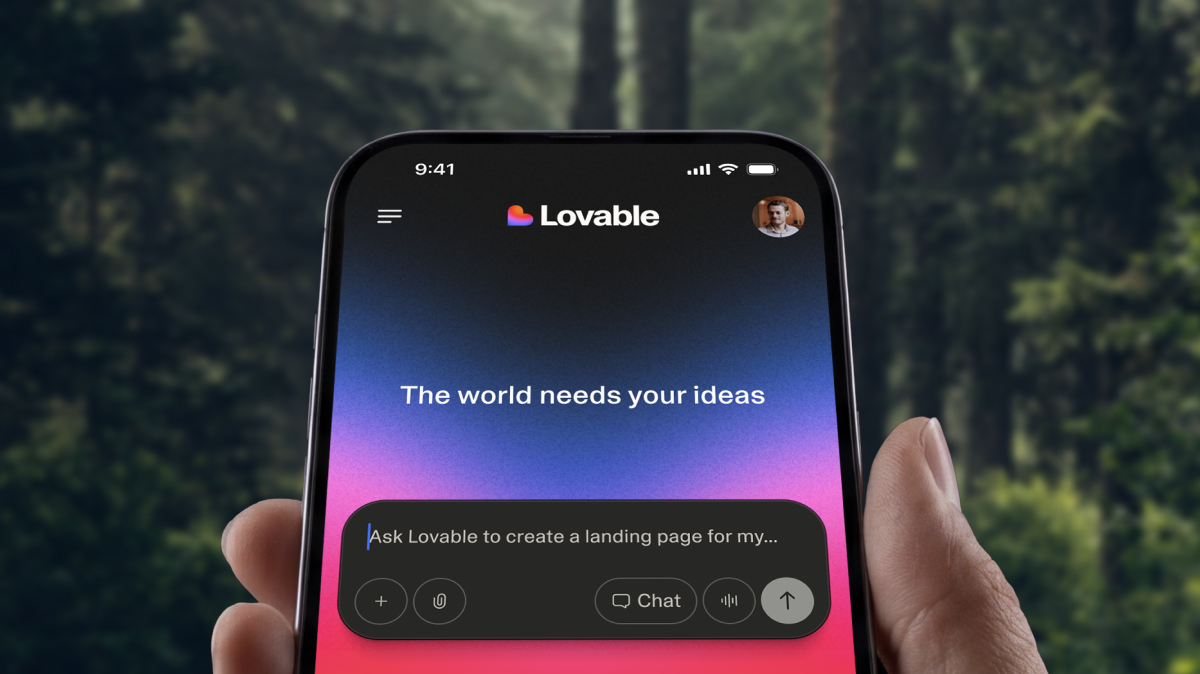
Lovable launched its no-code AI app builder on the iOS App Store and Google Play on April 27, 2026, with voice-and-text prompts, queued generations, and cross-device pickup. Generated previews open in the browser — a deliberate workaround for Apple's recent crackdown on vibe-coding apps that blocked Replit, Vibecode, and Anything.
Stockholm-based AI startup Lovable on launched its no-code app-building tool as native mobile apps on the Apple App Store and Google Play. The release lets users prompt the company's AI agent by voice or text from a phone, queue multiple build requests, and switch back to a desktop session mid-project — a play for the on-the-go founder market that Replit, Vibecode, and Anything have all struggled to reach because of Apple's recent enforcement actions.
What Happened
Lovable announced the mobile launch on the company's blog in a post by Johanna Ydergård titled "The Lovable mobile app is here." Both iOS and Android versions shipped simultaneously. Within roughly a day the Android build crossed 100,000+ downloads on Google Play, and TechCrunch reported the iOS rollout the following morning, on .
The app's pitch, in Lovable's own words: "Your ideas don't wait for you to sit down at a desk. They show up on the bus, in the coffee line, at 2am when you should definitely be sleeping." The mobile client lets users start a project on a laptop and continue it from a phone, with notifications when a build finishes.
Key Details
- Voice or text input: Users can dictate ideas or type them as prompts. The AI agent then runs autonomously, building and testing the requested web app while the user moves on to other tasks.
- Queued prompts: Multiple ideas can be stacked. Lovable's agent processes them sequentially in the background and pushes a notification when each build is ready for review.
- Cross-device continuity: Sessions sync between phone and desktop. Whatever a user starts in one place picks up exactly where it left off in the other.
- Web-app output only: Generated previews open in the device's web browser — not inside the Lovable app — so the host app cannot be accused of executing or downloading new native code.
- 100k+ Google Play installs: Reached within roughly 24 hours of the Android launch, per public Play Store metrics referenced by Eastern Herald and SQ Magazine.
Why Web-Only Previews Matter
Apple has spent the past six weeks tightening enforcement on vibe-coding apps. According to MacRumors and 9to5Mac, Apple in mid-March 2026 quietly blocked App Store updates for Replit and Vibecode, citing long-standing rules that prohibit apps from executing code that changes their own functionality or builds software for Apple platforms. Apple subsequently pulled the vibe-coding app Anything from the store entirely on March 30, 2026; it returned in early April after the team made changes, only to be removed again when Apple objected to the app marketing itself as an "app maker."
Lovable's launch sidesteps the rule by keeping every generated preview in Mobile Safari or Chrome rather than running it inside the host app. The compliance posture is similar to the path Replit and Vibecode reportedly agreed to take to get their own updates approved — open generated apps externally, and, in Vibecode's case, drop the ability to target Apple devices.
What Developers and Users Are Saying
Reaction across X, LinkedIn, and TechCrunch's comments has been mixed but largely positive on capability. Founders called out the queued-prompt feature as the killer detail — the ability to fire-and-forget a half-formed idea while in line for coffee, then come back to a working prototype. Skeptics pointed out that the web-only preview model materially limits what mobile users can ship: anyone wanting a real iOS app still needs to leave Lovable, export the code, and go through a normal Xcode and App Store review pipeline.
Several developers also noted on Hacker News-adjacent threads that Lovable's compliance dance is a precedent worth watching. Apple has not formally clarified its rules, and the boundary between "app that helps you build a web app" and "app maker" is being drawn case by case in App Review rather than in the published guidelines.
What This Means for Developers and Founders
For non-technical founders and designers, Lovable's mobile app makes the company the most accessible vibe-coding tool on the iOS App Store today — Replit and Vibecode are still working through Apple's review queue, and Anything has been removed twice. Anyone using Lovable to ship native iOS apps will still hit the same wall everyone else does: outputs are web apps, not native binaries, and any port to native still requires the standard Apple developer pipeline.
For developer-tool builders, Lovable's launch is a working blueprint for surviving Apple's stricter posture: keep generated content in the browser, do not market the app as an "app maker" on Apple platforms, and assume every preview surface inside the app will be scrutinized as native-code execution.
What's Next
Lovable has not announced an enterprise tier for the mobile app or pricing changes — the existing freemium plan applies. The company's most recent feature post before the mobile launch covered early-access testing of GPT-5.5 inside Lovable. Users can download the app via the App Store or Google Play links on the official blog post.
Sources
- The Lovable mobile app is here — Lovable blog — official launch post by Johanna Ydergård, April 27, 2026.
- Lovable launches its vibe-coding app on iOS and Android — TechCrunch — primary news coverage and context on Apple's crackdown.
- Apple Quietly Blocks Updates for Popular 'Vibe Coding' Apps — MacRumors — initial March 2026 reporting on the App Store enforcement.
- Apple Pulls Vibe Coding App 'Anything' From App Store — MacRumors — escalation reporting, March 30, 2026.
- Apple pushing back on vibe coding iPhone apps — 9to5Mac — independent confirmation and developer reaction.
- Lovable's new mobile app brings vibe coding to your pocket — Digital Trends — secondary feature coverage of the launch.
Stay up to date with Doolpa
Subscribe to Newsletter →