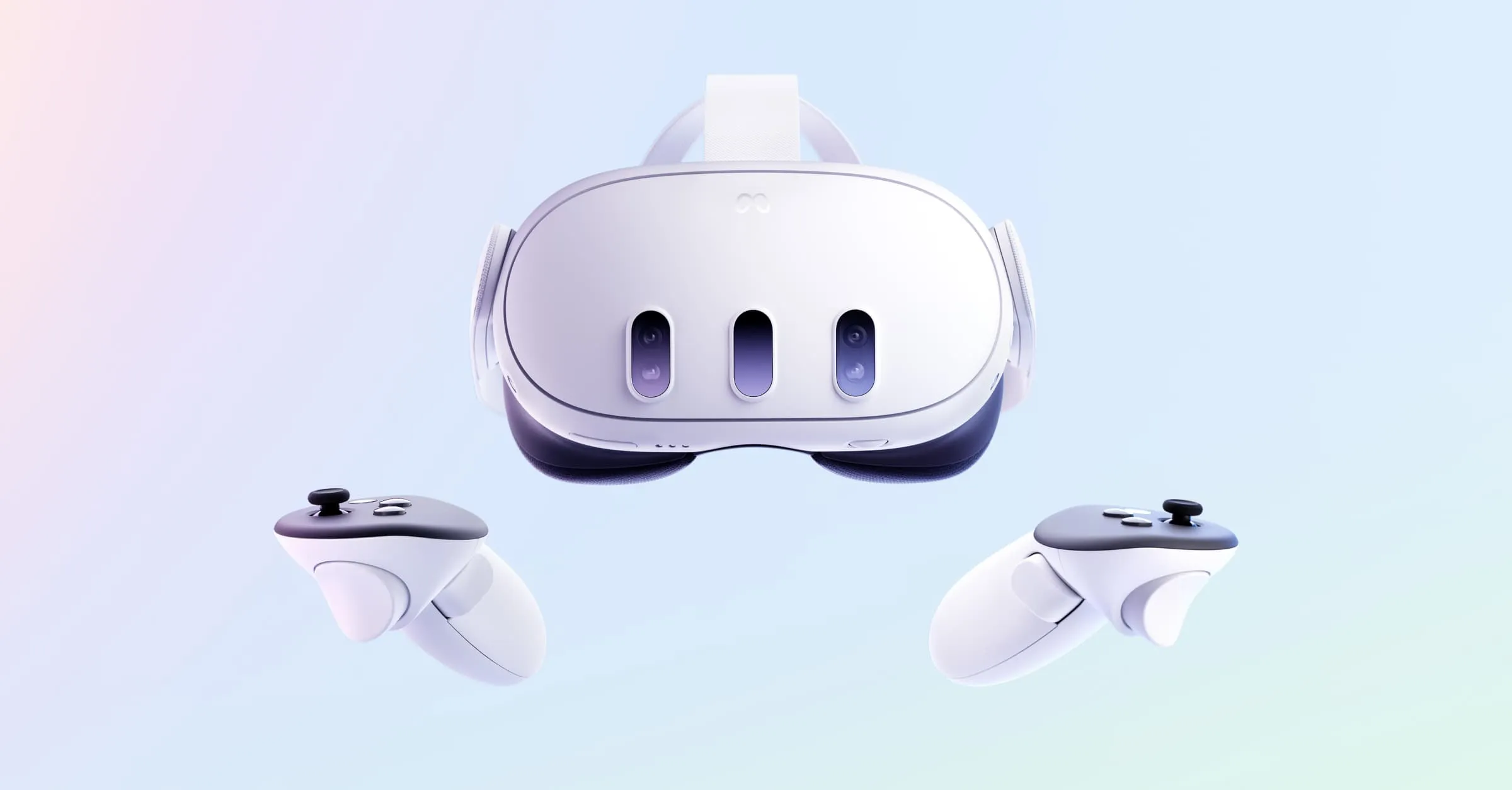
Meta Hikes Quest 3 Prices as AI Memory Demand Hits VR (April 2026)
Meta is raising the price of its Quest 3 and Quest 3S VR headsets by $50 to $100 starting April 19, 2026, blaming the global surge in memory chip costs driven by AI data-center buildouts. The irony is that Meta's own $135B planned 2026 AI capex is part of what's driving the shortage.
Meta on announced it will raise the price of every Quest 3 and Quest 3S SKU starting , blaming "the global surge in the price of critical components — specifically memory chips" caused by AI data-center demand. It is the first consumer VR price hike driven explicitly by the AI buildout, and the irony is sharp: Meta itself plans to spend $135 billion on AI infrastructure in 2026, nearly double 2025's figure, making it one of the hyperscalers driving the DRAM shortage it is now passing on to headset buyers.
What Happened
In a prepared statement shared with TechCrunch, Bloomberg, and UploadVR, Meta said: "We're making this change because the cost of building high-performance VR hardware has risen significantly. The global surge in the price of critical components — specifically memory chips — is impacting almost every category of consumer electronics, including VR." The new prices take effect on April 19, 2026 and apply to both new and refurbished units. Accessories are unchanged.
The Quest 3 has been Meta's flagship consumer VR headset since its launch in , and the Quest 3S is the lower-cost variant released in as Meta's push to broaden VR adoption. The hikes undo Meta's November 2024 Quest 3 price cut and represent the first time a consumer VR product has had its pricing adjusted mid-cycle explicitly because of AI-related supply chain pressure.

Key Details
- Quest 3S (128GB):
$299.99→ $349.99 (+$50, a 17% increase). - Quest 3S (256GB):
$399.99→ $449.99 (+$50, a 13% increase). - Quest 3 (512GB):
$499.99→ $599.99 (+$100, a 20% increase). - Effective date: April 19, 2026 — worldwide, for new and refurbished units.
- Accessories: Unchanged.
- Meta's AI capex in 2026: ~$135 billion, up from ~$72 billion in 2025 per company filings.
What Developers and Users Are Saying
The reaction across r/OculusQuest, Hacker News, and VR enthusiast press has been hostile. Gizmodo argued the hike "just put VR in a worse spot" at precisely the moment the category needs lower barriers to entry, not higher ones. PC Gamer's headline spelled out the irony: "memory price rises made worse by Meta." On developer-facing forums, the dominant worry is install-base growth — VR studios priced their content roadmaps around continued Quest 3S price cuts, not a $50 hike, and several indie developers posted on X that they will delay VR titles by 6–12 months pending clarity on Meta's Q3 2026 holiday pricing.
Valve, which had targeted a sub-$1,000 launch for its upcoming Steam Frame headset, has now told partners it may need to raise that ceiling. Sony and Microsoft have already raised PS5 and Xbox pricing this cycle. Samsung also increased Galaxy Tab pricing in March 2026 on the same memory rationale.
What This Means for Developers
Three concrete impacts. First, Quest install-base growth forecasts for 2026 will need to be revised downward — the Quest 3S's $299 price point was the consumer on-ramp, and a $349 starting price puts Quest back in competition with used PS5s and high-end gaming phones for gift-budget wallet share. Second, Quest developers monetizing via in-app purchases should plan for a slower user-acquisition quarter in Q3 and Q4 2026. Third, and most importantly for the broader tech industry, this is the first consumer-facing signal that the AI capex supercycle is meaningfully repricing non-AI hardware — expect similar announcements from other memory-heavy device categories (laptops, phones, handheld consoles, smart TVs) over the next two quarters as NAND and DRAM contract prices catch up.
For AI infrastructure buyers, the story is the opposite: SK Hynix, Samsung, and Micron have reallocated production lines toward high-bandwidth memory (HBM) for AI accelerators, squeezing LPDDR5 and LPDDR5X supply that consumer devices depend on. Contract DRAM prices have risen roughly 35% year-over-year per recent TrendForce data.
What's Next
Meta's next Connect event is expected in , where the company typically announces hardware updates. Analysts now expect any Quest 4 announcement to launch at a higher price point than initially forecast. Meta's Q2 2026 earnings call on will be the next opportunity for executives to comment on the memory situation publicly.
Sources
- TechCrunch — primary reporting with Meta's official statement.
- Bloomberg — financial context and Meta's memory cost exposure.
- UploadVR — SKU-by-SKU breakdown and Valve Steam Frame context.
- Tom's Guide — consumer buyer's guide and comparison pricing.
- PC Gamer — critical analysis of Meta's role in the memory squeeze.
- Gizmodo — industry impact and developer perspective.
- 9to5Google — refurbished unit pricing confirmation.
Stay up to date with Doolpa
Subscribe to Newsletter →