OpenAI Launches Workspace Agents in ChatGPT (April 2026)
OpenAI on April 22, 2026 introduced Workspace Agents — a Codex-powered evolution of GPTs that lets ChatGPT Business, Enterprise, Edu and Teachers teams build shared agents that plug into Slack, Salesforce, Notion, Atlassian Rovo, Google Drive and Microsoft apps. Free until May 6, then credit-based.
OpenAI on introduced Workspace Agents, a new class of Codex-powered agents in ChatGPT designed for teams rather than individuals. Available immediately in research preview to ChatGPT Business, Enterprise, Edu and Teachers customers, the new agents will be free until , after which OpenAI will switch to credit-based pricing.
What Happened
Announced on the OpenAI blog as "Introducing workspace agents in ChatGPT," the launch positions Workspace Agents as a successor to Custom GPTs for the enterprise. Built on top of OpenAI's Codex agent stack, the new agents run in the cloud, persist across sessions, and operate within an organisation's existing permissions and role-based controls.
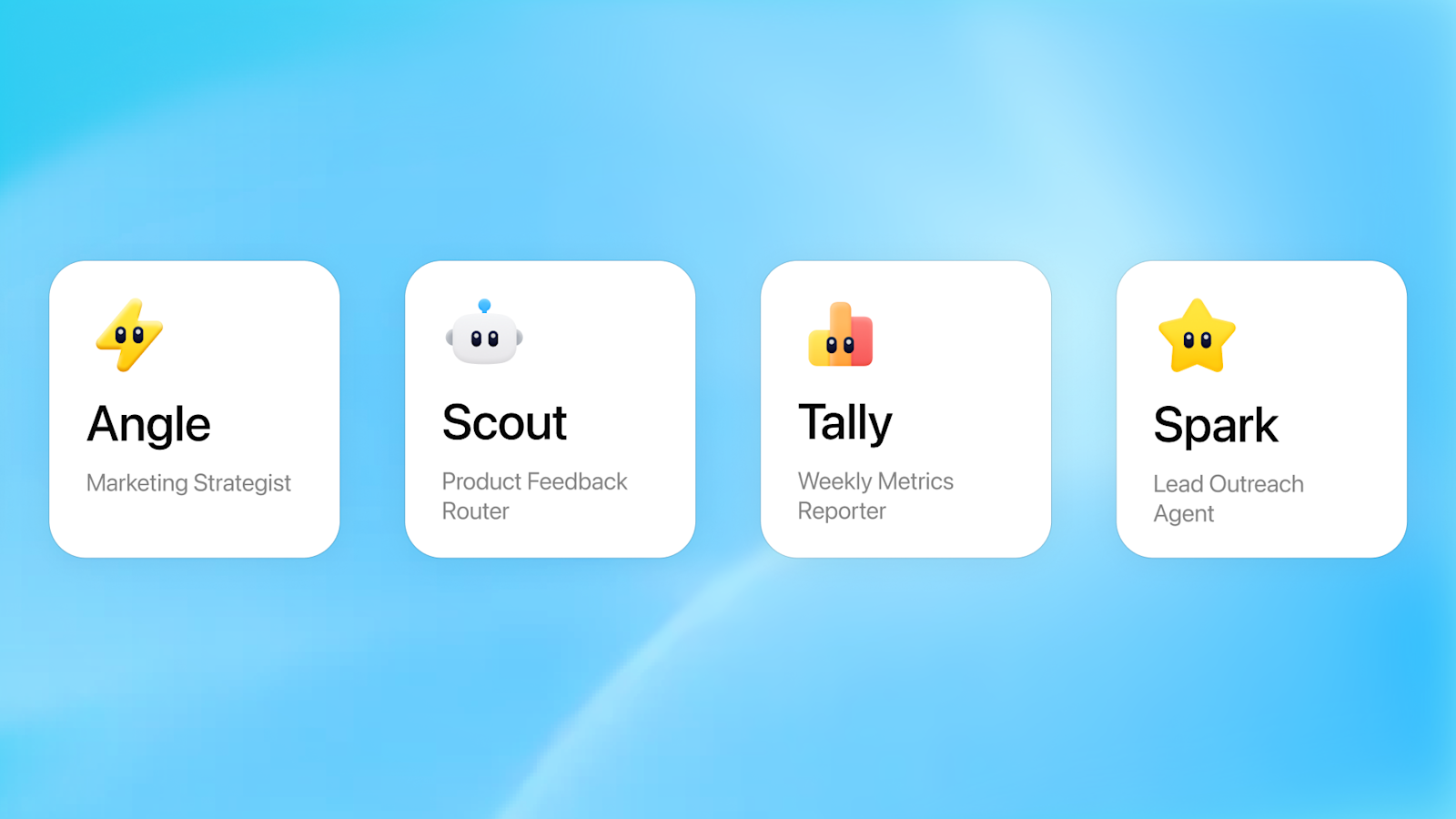
Unlike Custom GPTs — which were limited to a single user's chat session — Workspace Agents are first-class shared resources. A team can build an agent once, hand it to colleagues in ChatGPT or Slack, and improve it over time as a single artifact. OpenAI cited its own sales team as an internal customer: an agent that pulls call notes and account research, qualifies leads, and drafts follow-up emails before a human reviews and sends.
Editor's note from OpenAI's announcement confirmed Custom GPTs are not being deprecated yet — they will remain available, with a future migration path to convert existing GPTs into Workspace Agents.
Key Details
- Powered by Codex — the same agent runtime OpenAI uses for its coding agent — but tuned for general workflow automation rather than just code.
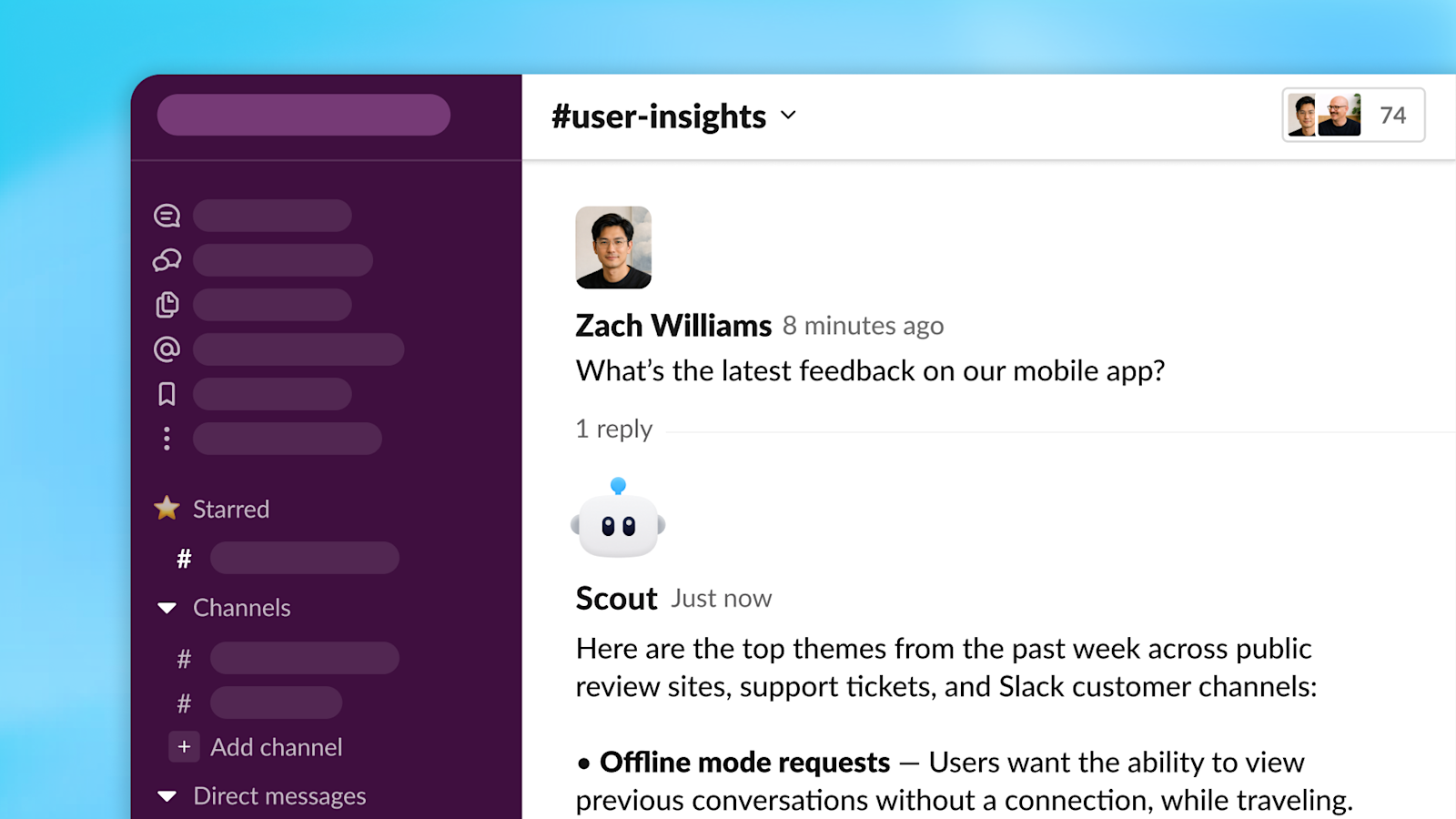
- Always-on, cloud-resident — agents keep running when the creator is offline; they can be triggered by other team members in ChatGPT or directly inside Slack.
- Connector library — agents can read and write across Slack, Salesforce, Notion, Atlassian Rovo, Google Drive (Gmail, Docs, Sheets, Slides), Microsoft 365, and other enterprise apps via OpenAI's Connectors framework.
- Enterprise governance — admins on Enterprise and Edu plans get role-based controls, agent-level visibility, and the ability to scope what data and tools each agent can touch.
- Pricing — free in research preview through May 6, 2026; credit-based pricing kicks in after that, with credits drawn from each plan's existing seat allocation.
- Plan availability — ChatGPT Business, Enterprise, Edu and Teachers. Not currently available on Plus, Pro or Free.
What Developers and Teams Are Saying
Reactions across Hacker News and X were mixed. Engineering leads praised the move as the first credible enterprise-grade replacement for the increasingly tired GPTs UX, with several commenters noting that scoping a single agent to a Slack channel and a CRM was already producing useful follow-up automations during early access. The most common skeptic argument: this is the same MCP / connector pitch the rest of the industry — Anthropic, Google Workspace Intelligence, Microsoft Copilot Studio — has been making for nine months, and pricing remains the deciding factor.
VentureBeat framed Workspace Agents as "a successor to custom GPTs for enterprises" and stressed the Salesforce and Atlassian Rovo integrations as the differentiators against Microsoft Copilot Studio. The New Stack focused on the operational angle, calling the launch "OpenAI's bid to end the friction of manual team handoffs." SiliconANGLE and 9to5Mac confirmed Workspace Agents inherit Codex's tool use and code-execution capabilities, which means in practice they can read your Salesforce, write Python to crunch the data, and post the result to Slack — without the user wiring the steps together.
What This Means for Developers and IT Admins
For developers, Workspace Agents shift the unit of deployment from "a prompt I tweak in my own ChatGPT" to "a shared, versioned agent the team relies on." That has two practical consequences. First, building an agent now resembles deploying internal tooling — you need to think about who can edit it, what data sources it touches, and how it behaves when its creator leaves the company. Second, the connector model means agents will increasingly live inside Slack and Salesforce rather than ChatGPT itself, which changes where developer tooling and observability need to plug in.
For IT admins on Enterprise and Edu plans, the immediate to-do is to enable Workspace Agents via role-based controls before May 6, audit which existing Custom GPTs should be promoted, and decide a credit budget per team before paid pricing kicks in. Admins should also confirm their existing Connector approvals (Slack, Salesforce, Notion, Atlassian, Google, Microsoft) match the access scopes they want agents to inherit.
What's Next
OpenAI says new triggers — automatic, event-driven starts for Workspace Agents — and richer admin dashboards for performance tracking are landing in the coming weeks. The company also confirmed a future migration tool that will convert existing Custom GPTs into Workspace Agents, suggesting GPTs themselves will be quietly retired over the next several quarters. Pricing details for the post-May-6 credit model have not yet been published; OpenAI has only said credits will draw from each plan's seat allocation.
Sources
- OpenAI — "Introducing workspace agents in ChatGPT" — primary announcement (April 22, 2026)
- VentureBeat — OpenAI unveils Workspace Agents, a successor to custom GPTs
- The New Stack — OpenAI debuts always-on agents to end the friction of manual team handoffs
- SiliconANGLE — OpenAI subscribers get new 'workspace agents' to automate complex tasks across teams
- 9to5Mac — OpenAI updates ChatGPT with Codex-powered 'workspace agents' for teams
- Techstrong.ai — OpenAI Debuts Workspace Agents to Extend ChatGPT Into Enterprise Workflows
Stay up to date with Doolpa
Subscribe to Newsletter →