Reliable Robotics Raises $160M Led by Nimble Partners, Pushing Valuation Toward $1B (April 2026)
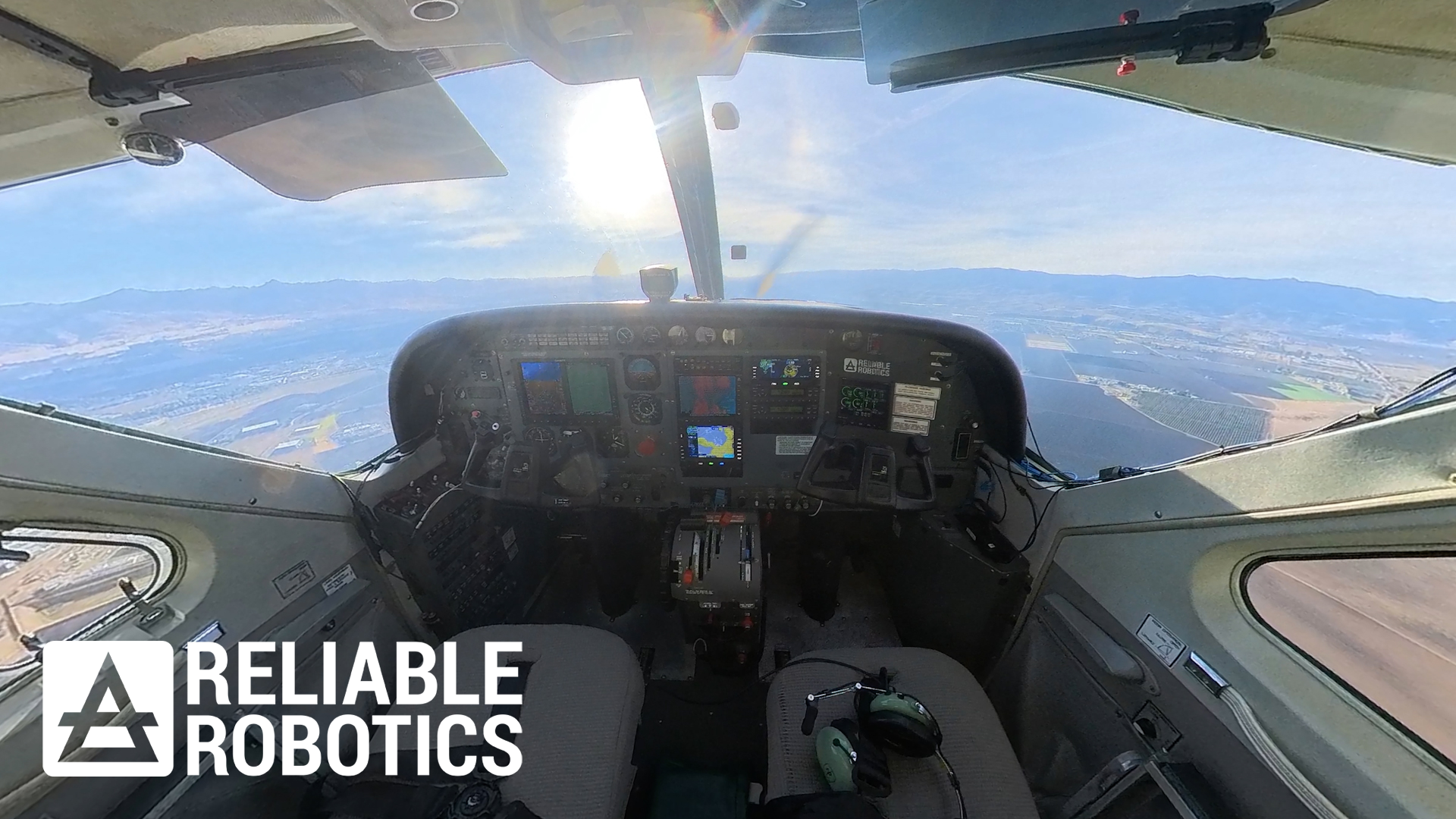
Reliable Robotics, the autonomous-aircraft startup founded by ex-SpaceX flight software director Robert Rose, closed a $160 million round led by Nimble Partners on April 21, 2026, lifting total funding to $300 million and a valuation near $1 billion as it pursues the FAA's first commercial uncrewed-cargo certification on the Cessna 208 Caravan.
Mountain View autonomous-aircraft maker Reliable Robotics on announced a $160 million funding round led by Nimble Partners, lifting the company's total capital raised to $300 million and pushing its valuation close to $1 billion, according to Bloomberg. The fresh capital is earmarked for the FAA certification campaign on its uncrewed Cessna 208 Caravan, with first commercial cargo flights targeted for summer 2026.
What Happened
Reliable Robotics — founded by former SpaceX flight software director and ex-Tesla Autopilot lead Robert Rose — said the new round was led by Nimble Partners, the San Francisco venture firm founded in 2020 by hedge fund veteran John Burbank. Burbank joins Reliable's board as part of the deal, per the company's official BusinessWire press release distributed on April 21.
The new financing nearly doubles the company's lifetime funding, which previously stood at around $140 million across multiple Series B and C extensions. Bloomberg reports the round values Reliable at "close to $1 billion," putting it in striking distance of unicorn status as it prepares for what would be the first FAA-certified, fully uncrewed, commercial cargo aircraft in U.S. airspace.
Key Details
- Round size: $160 million, led by Nimble Partners; total funding now $300 million per Aviation International News.
- Valuation: Near $1 billion post-money, per Bloomberg and Seeking Alpha.
- Order book: More than 200 commercial and military orders for the Reliable Autonomy System (RAS), per the company's announcement.
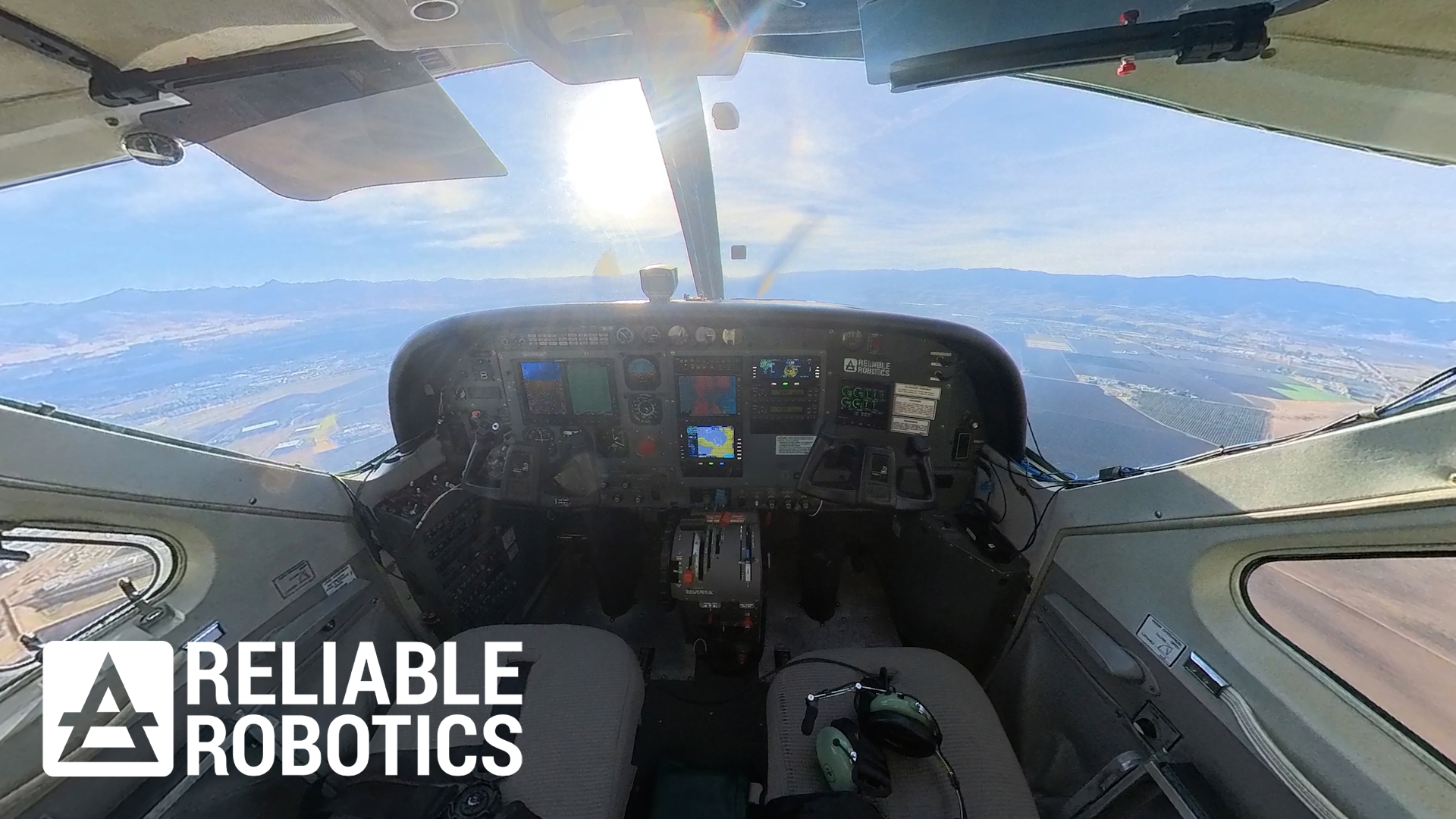
- Aircraft platform: Cessna 208 Caravan, retrofitted with RAS (radar, autopilot, telemetry) at Reliable's Mountain View facility, with the airframe built by Textron Aviation in Independence, Kansas.
- FAA program: Reliable holds the only city-led slot in the FAA's eVTOL Integration Pilot Program through a partnership with the City of Albuquerque, per DroneXL.
- Routes: Planned autonomous cargo legs between Albuquerque International Sunport, Santa Fe Regional Airport, and Durango-La Plata County Airport in Colorado, flown under Reliable Airlines (its Part 135 subsidiary).
- Type certificate timing: Originally targeted for 2028, now slipped to early 2029 per CEO Robert Rose's comments to Bloomberg.
What Developers and Users Are Saying
Reaction inside the aviation-engineering community has been cautiously bullish. The Robot Report notes that Reliable's strategy — retrofitting an existing, already-certified airframe with bolt-on autonomy — sidesteps the certification quagmire eVTOL startups like Joby and Archer are still working through. On Hacker News and r/aviation, several pilots flagged the same risk Bloomberg quoted: "first-of-kind paperwork always slips," and the 12-month FAA timeline drift announced this week is consistent with that pattern.
Skeptics on r/aviation point to Reliable's competitive set — including Xwing, which has demonstrated similar uncrewed Caravan flights but ran into commercial headwinds — and ask whether the cargo-only economics actually pencil at scale. The order book of 200+ units, including a U.S. Air Force contract to deploy an autonomous Caravan in the Indo-Pacific for "contested logistics," is the strongest counter-argument the company has.
What This Means for Developers and the Industry
For software and robotics developers, the round is another data point that autonomy retrofits — not clean-sheet eVTOLs — are where serious capital is concentrating in 2026. Reliable's RAS is essentially an embedded autonomy stack (Linux-based flight computer, radar, GNSS, datalinks, ground-station software) that bolts onto any compatible airframe; engineers familiar with ROS, NVIDIA Jetson, and DO-178C avionics software pipelines will see immediate parallels. The FAA's willingness to certify this architecture, if granted, sets a template every other autonomy startup will copy.
For industry watchers, the $160 million top-up follows a pattern of concentrated late-stage capital in autonomous systems this month: Wayve extended its Series D to $1.26 billion, Ulysses raised $38 million Series A for autonomous ocean drones, and Tesla bumped 2026 capex above $25 billion for self-driving and Optimus. Investors are clearly betting that 2027–2028 is when uncrewed commercial operations move from demonstration to revenue.
What's Next
Reliable says first commercial Part 135 cargo flights from Albuquerque are expected in summer 2026, initially with a safety pilot on board. Full uncrewed operations — the milestone the FAA type certificate unlocks — are now targeted for early 2029, a year later than previously guided. The U.S. Air Force Indo-Pacific deployment of the autonomous Caravan is on a separate, military-airworthiness track and is expected to fly before the civilian FAA certificate is issued. Reliable is hiring across flight software, perception, and certification engineering at its Mountain View headquarters.
Sources
- Bloomberg — broke the $1B valuation figure and quoted CEO Robert Rose on the FAA timeline slip.
- DroneXL — detailed coverage of the FAA Part 135 certification and Albuquerque pilot program.
- Aviation International News — aviation-industry perspective on autonomy retrofit strategy.
- The Robot Report — engineering analysis of the Reliable Autonomy System.
- Axios Pro Rata — first-look reporting on the deal mechanics and Nimble Partners' role.
- BusinessWire — the official Reliable Robotics press release.
Stay up to date with Doolpa
Subscribe to Newsletter →