Samsung Hits $1 Trillion Market Cap on AI Memory Boom — Second Asian Company Ever (May 6, 2026)
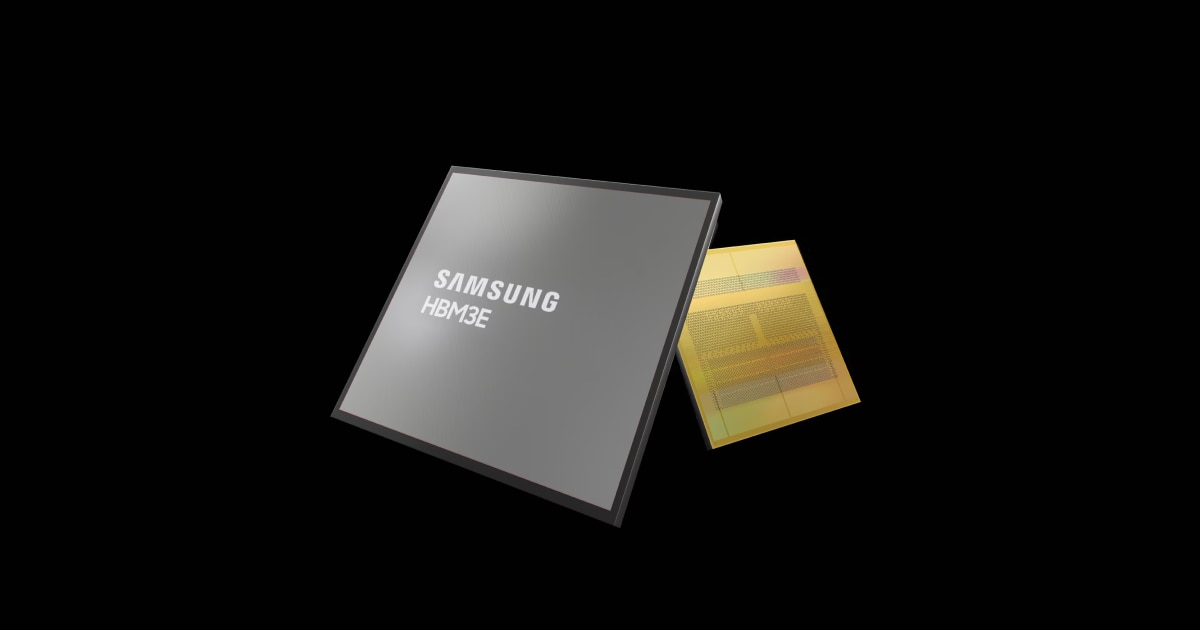
Samsung Electronics crossed a $1 trillion valuation for the first time on May 6, 2026, after shares jumped roughly 14% in a single session. The rally, fuelled by a global shortage of HBM and DRAM memory for AI, makes Samsung only the second Asian company ever to hit the trillion-dollar club, days behind TSMC.
Samsung Electronics on became the second Asian company in history to cross a $1 trillion market capitalisation, after shares of the world's largest memory chipmaker jumped roughly 14% in a single trading session in Seoul. The rally, fuelled by an acute global shortage of HBM and DRAM memory used in AI servers, came just days after TSMC reached the same milestone.
What Happened
Samsung's KRX-listed shares (ticker 005930) closed at ₩266,000 on May 6, up from ₩232,500 the previous day, lifting the company's market cap above $1 trillion. The single-day move added more than $120 billion in market value and pushed Samsung's year-to-date gain past 120%. Analysts attributed the surge to surging customer demand for high-bandwidth memory (HBM) and conventional DRAM used to train and serve large AI models.
Morningstar technology analyst Yu Jing Jie summed up the supply picture, saying there is a tremendous shortage in DRAM and NAND memory chips due to torrid AI demand
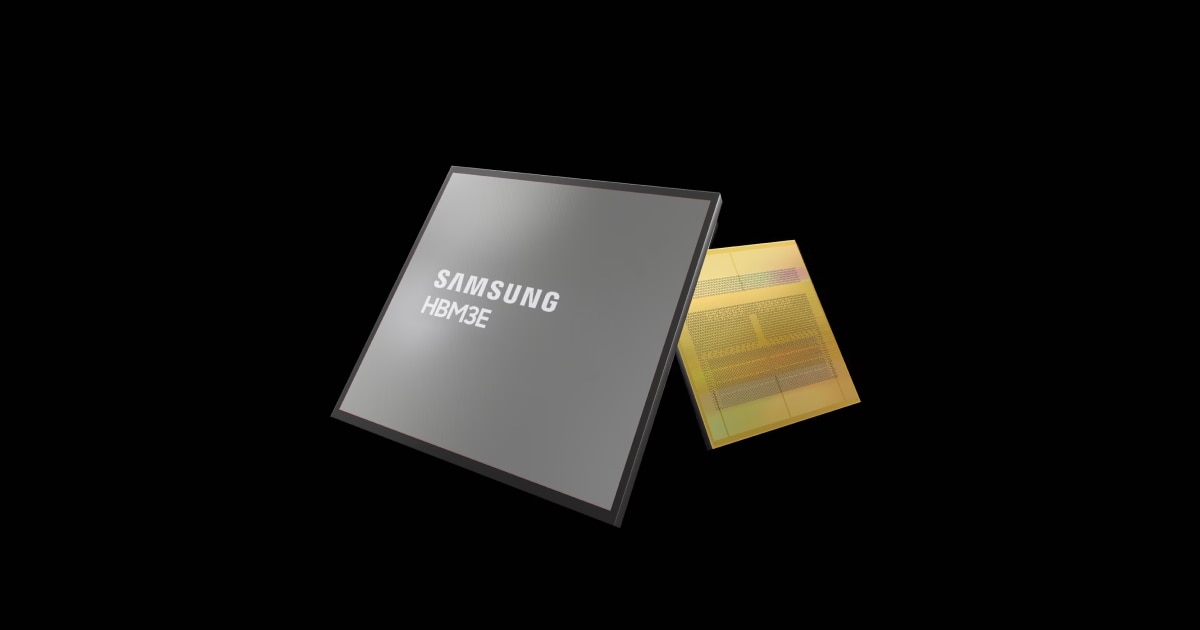
. Bloomberg and CNBC reported that Samsung's entire 2026 production of its latest HBM4 stacks is already sold out, and that customer feedback has begun to narrow the technology gap with rival SK Hynix.
Key Details
- Single-day move: Samsung shares climbed roughly 14% on May 6, 2026, the largest one-day gain since the global financial crisis era.
- Market cap: Approximately $1.04 trillion at the close, with some sources citing $1.21 trillion mid-session as the won strengthened.
- KOSPI record: Samsung's rally helped lift the KOSPI benchmark above 7,000 for the first time, with the index up more than 6% on the day.
- Asian milestone: Second Asian company to reach a $1 trillion market cap, after Taiwan Semiconductor Manufacturing Company crossed the same line earlier in the week.
- HBM share: SK Hynix still leads the HBM market with around 55% share versus Samsung's 25%, but Samsung's HBM4 has reportedly outperformed competitors on certain bandwidth and thermal metrics.
What Developers and Users Are Saying
On Hacker News and Reddit's r/hardware, the dominant reaction was that Samsung's run validates the thesis that the AI build-out is, at its core, a memory build-out — every Nvidia H100, B200 and GB300 system depends on HBM stacks from a small number of suppliers. Several commenters flagged risks: a memory glut similar to 2018–2019 if AI capex slows, intense competition from Micron's HBM4E roadmap, and South Korea-specific export controls. On X, semiconductor analyst Dylan Patel of SemiAnalysis described the rally as repricing memory as the new bottleneck
, while finance threads on r/investing noted that Samsung still trades at a lower forward P/E than TSMC and Nvidia despite the run.
What This Means for Developers and Users
For builders, the implication is practical: HBM-grade memory will remain rationed through at least 2026, which means GPU instance prices on AWS, Azure, GCP, CoreWeave and Lambda are unlikely to fall meaningfully this year. Teams running large training jobs should expect tight capacity for H200 and B200 reservations, and price-sensitive inference workloads will increasingly look to memory-efficient model architectures, MoE routing, and quantisation to stretch every GB of HBM. For consumers, expect another year of premium pricing on flagship phones, SSDs and high-end PCs as DRAM demand stays elevated.
What's Next
Samsung's next reported earnings will be the first test of how much of the HBM4 ramp is already priced in. Investors are watching for guidance on HBM4E sampling timelines, Nvidia and AMD qualification, and any expansion of the company's $73 billion semiconductor capex plan announced earlier in 2026. KOSPI 7,000 will likely act as a psychological pivot for the broader Korean market through the rest of the quarter.
Sources
- Bloomberg — primary report on the $1T valuation milestone.
- CNBC — KOSPI record and AI memory demand context.
- The Tech Portal — year-to-date stock performance and HBM4 details.
- Tech Startups — overview of the AI memory boom thesis.
- Seoul Economic Daily — KOSPI close and Korean market context.
- Samsung Semiconductor — HBM — official Samsung product page for HBM memory.
Stay up to date with Doolpa
Subscribe to Newsletter →