Standard Intelligence Raises $75M From Sequoia and Spark for FDM-1 — A Computer-Use Model Trained on 11M Hours of Video (April 30, 2026)
Standard Intelligence, a six-person San Francisco AI lab founded by 20-year-olds Galen Mead and Devansh Pandey, has raised $75M at a $500M valuation from Sequoia and Spark Capital to scale FDM-1, a foundation model trained on 11 million hours of computer-screen and real-world video that runs at 30 FPS.
Standard Intelligence on announced a $75 million Series A led by Sequoia and Spark Capital at a roughly $500 million valuation, alongside the public release of FDM-1 — what the lab bills as “the first fully general computer action model.” The 6-person San Francisco team trained FDM-1 on 11 million hours of video, an order of magnitude larger than the next biggest open dataset for computer use.
What Happened
The round, first reported by SiliconANGLE and confirmed in a research post on the company’s own blog, gives Standard Intelligence its first sizeable war chest since founders Galen Mead (21) and Devansh Pandey (20) dropped out of college to pursue computer-use models. The startup’s thesis: instead of teaching agents to read screenshots and click buttons via human-labeled data, train a foundation model directly on raw screen video so it learns mouse, keyboard and UI dynamics the way humans actually use them.
Key Details
- $75M Series A at ~$500M post-money — Sequoia and Spark Capital co-led, with participation from existing seed backers.
- 11,000,000 hours of video — multi-orders-of-magnitude larger than the next-largest open computer-use dataset, per the company’s research post.
- Inverse Dynamics Model (IDM) — instead of human annotators, an in-house IDM auto-generates training signals from raw video, removing the labeling bottleneck that has held competitors back.
- 30 FPS execution — FDM-1 runs in real time, allowing it to be plugged into live software and even physical control loops.
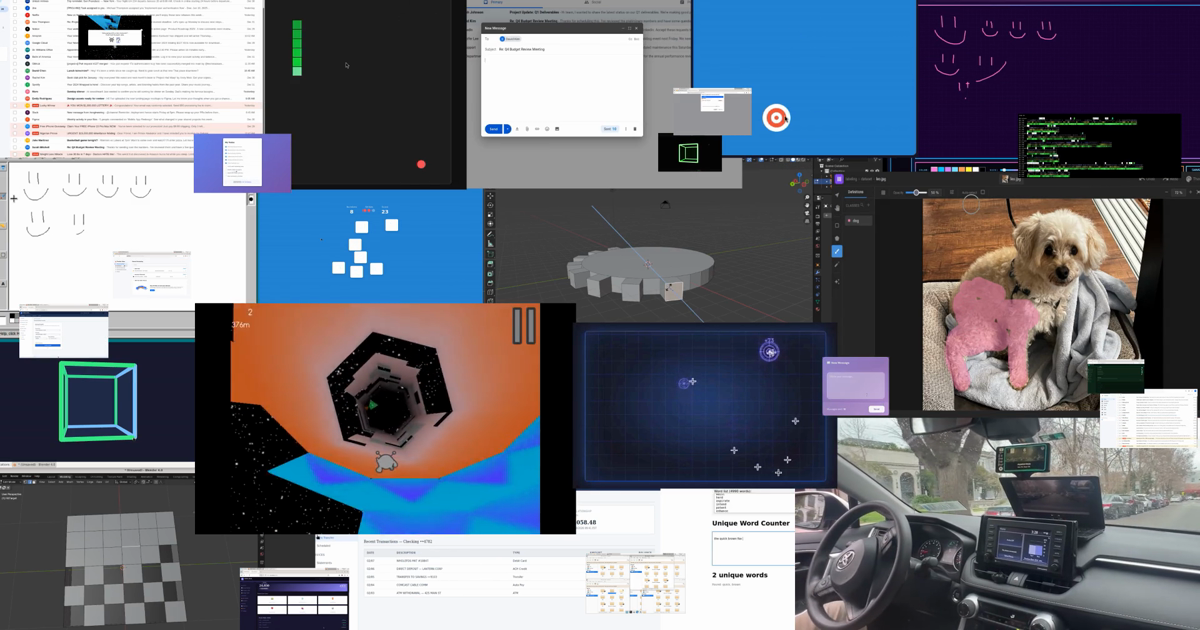
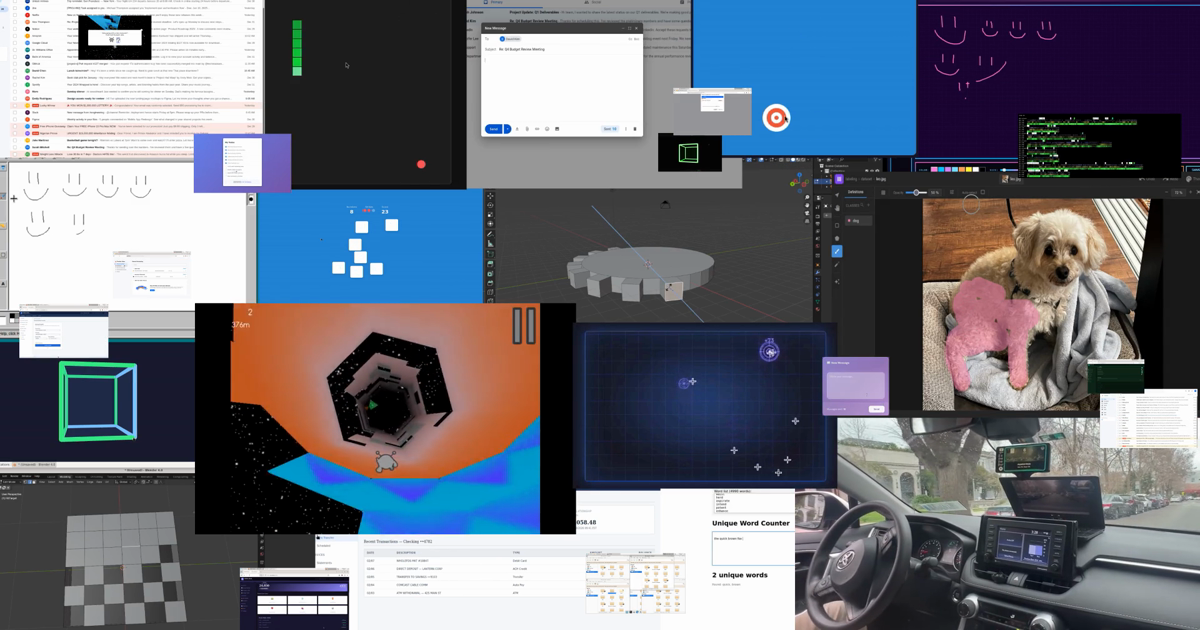
- Generality, not just web — the lab demoed FDM-1 exploring complex websites, completing multi-step CAD modeling sequences and driving a car in the real world from the same model weights.
What Developers and Users Are Saying
On Hacker News, the top thread (~600 points) split between excitement at the dataset scale and skepticism that a single 6-person lab can match Anthropic’s Computer Use or OpenAI’s Operator. Top commenter simonw called the IDM approach “the most interesting unlock I’ve seen in agent training this year.” On r/MachineLearning, the consensus is that the 30 FPS claim — if it holds in independent benchmarks — is the headline number, since most existing screen-action models top out at 5–10 FPS. The most upvoted critique on Twitter/X came from researchers questioning whether 11M hours of mostly desktop video transfers to enterprise SaaS UIs, which often look nothing like what consumers record.
What This Means for Developers
For agent-builders, FDM-1 widens the field. Until now, computer-use foundation models were the exclusive territory of Anthropic, OpenAI and a handful of well-funded labs. A 6-person team training a competitive model on 11M hours of video shifts the cost curve and suggests open or low-cost computer-use APIs may arrive faster than expected. If Standard Intelligence releases weights or even an inference API, RPA vendors and browser-automation tools should plan for a near-term landscape where 30 FPS UI control is commodity. There is no public API yet — the lab says one is “coming.”
What’s Next
Standard Intelligence has not committed to open-weight release, but the research post promises further technical reports and benchmarks against the SOTA closed models. The funding will be spent on compute and on hiring researchers focused on aligned AGI — the company’s long-term mission. Expect a developer preview before the end of 2026.
Sources
- Standard Intelligence research blog: “The First Fully General Computer Action Model” — primary source from the lab itself.
- SiliconANGLE: Standard Intelligence raises $75M to develop efficient computer use models
- Pulse 2.0: $75M from Sequoia and Spark to scale AGI research
- Startup Fortune: $500M valuation, teaching agents to see and use software
- Dealroom company profile
Stay up to date with Doolpa
Subscribe to Newsletter →