 Developer Tools
Templ
Type-safe HTML templating language for Go with compile-time safety
Apidog is the all-in-one API platform that replaces Postman, ReadMe, and your mock server. Free for up to 4 users, with full SSE and gRPC support.
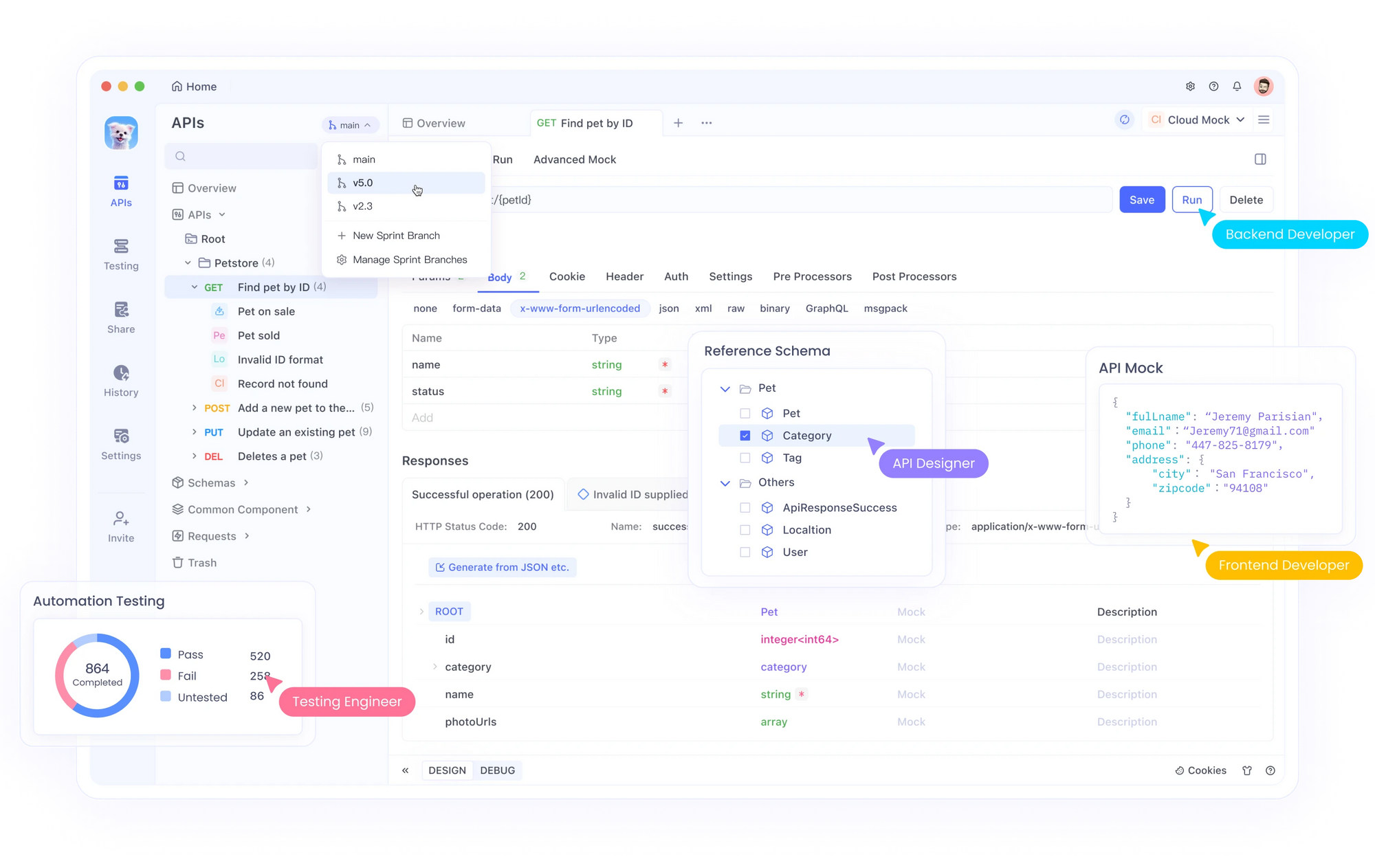
Apidog is an all-in-one API development platform that combines design, debugging, mocking, automated testing, and documentation into a single workspace. We rate it 82/100 — the strongest end-to-end Postman alternative we have tested in 2026 and a no-brainer for small teams who do not want to pay for Postman, ReadMe, and a separate test runner.
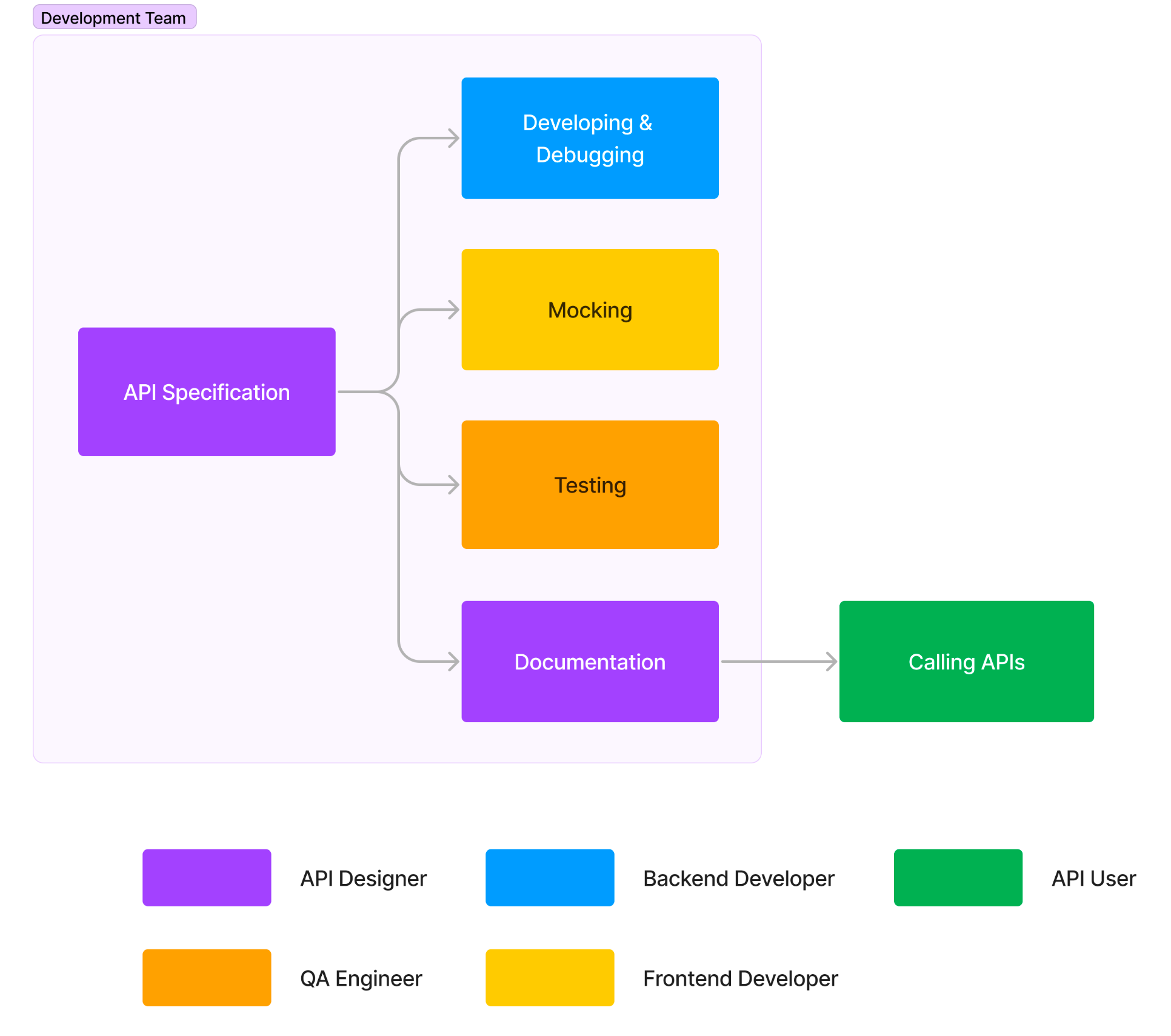
Apidog is an integrated, design-first API platform built by Apidog, Inc., a U.S.-headquartered company that launched the product in 2022 with development beginning in 2020. The pitch is that one tool replaces the four or five most teams stitch together: Postman for debugging, Swagger or ReadMe for docs, JMeter or k6 for load tests, and a mock server for the front-end. The single source of truth is the OpenAPI spec, and changes to the spec automatically flow into requests, tests, and documentation in real time.
It supports the full set of modern protocols — HTTP, REST, GraphQL, SOAP, WebSocket, gRPC, and Server-Sent Events — which matters more in 2026 because Postman officially dropped SSE support, leaving an obvious gap that streaming-API teams felt immediately. Apidog also ships an MCP server so developers in Cursor, VS Code, and Windsurf can reference live API specs and ask their AI assistant to generate or update endpoints directly.


Sentiment on G2, Capterra, and Reddit’s r/webdev is positive on the value-to-price ratio. Reviewers consistently praise the free tier for letting up to four people share a workspace with unlimited collection runs — the exact thing Postman’s March 2026 pricing change took away. Several G2 reviewers explicitly say they migrated after Postman capped the free plan at 25 collection runs per month.
The recurring complaints are real and worth knowing. The UI feels less polished than Postman’s in places, particularly around variable management and environment switching. There is a learning curve for developers who have built muscle memory in Postman for a decade. A few users on r/webdev mention occasional sync hiccups in very large projects (1,000+ endpoints), and version-control integration is still weaker than Postman’s Git workflow.
Apidog is genuinely useful on the free plan and only upsells when you grow.
| Plan | Price | Key Limits |
|---|---|---|
| Free | $0 | Up to 4 users, unlimited collection runs, real-time collaboration, mock server, published docs. |
| Basic | $9/user/month (annual) | Unlimited users, advanced testing, environments, branching. |
| Pro | $18/user/month | SSO via OIDC, custom domains for docs, advanced reporting, priority support. |
| Enterprise | $27+/user/month (contact) | Self-hosted, SAML SSO, audit logs, IP allow-lists, SOC 2 Type II, on-prem deployment. |
Best for: small to mid-size engineering teams (2–50 people), startups that just got priced out of Postman’s new free tier, backend engineers shipping streaming or gRPC APIs, and any team that currently pays for ReadMe, Swagger, and Postman separately.
Not ideal for: solo developers who only need a quick request runner (Bruno or HTTPie are simpler), enterprises with deep Postman/Newman CI investment, and teams whose entire workflow is built around git-tracked .http files in their repo.
Pros:
Cons:
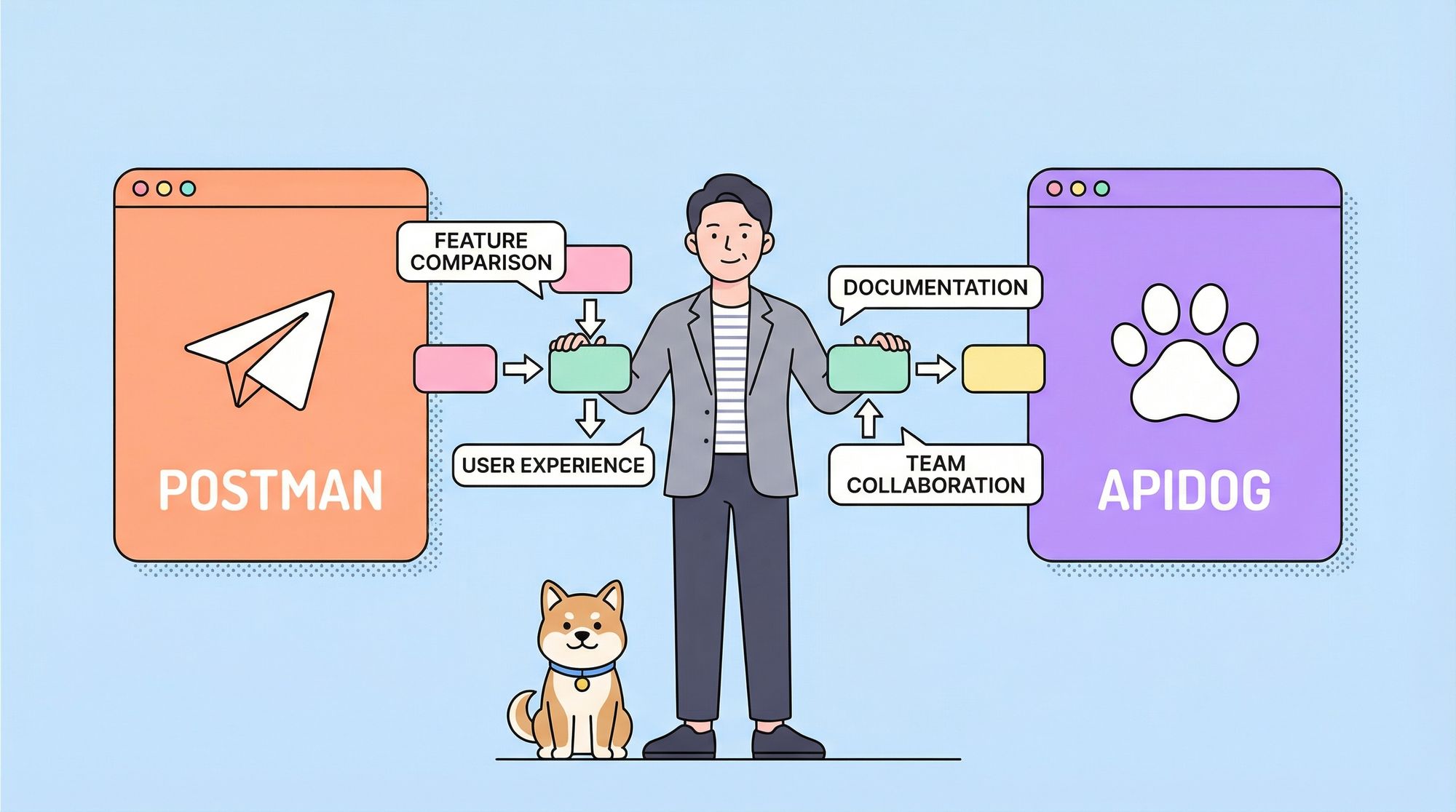
The obvious alternative is Postman, which is more polished but increasingly expensive after its 2026 pricing change. Hoppscotch is the leading open-source web-based option for developers who self-host. Bruno stores collections as files in your repo, which Git-native teams love. Yaak is the slickest desktop option for solo developers. None of those alternatives bundle docs, mocks, and full lifecycle management the way Apidog does.
Yes — for the right team. If you currently pay for Postman, ReadMe, and a separate mock server, Apidog will save you real money and consolidate your stack. The free plan alone is the most generous in the category in 2026 and replaces a $400/month Postman Team plan for a four-person startup. Power users who live and die by Postman’s polish or whose entire CI is wired up with Newman should stay put. Everyone else: install it tonight, import your Postman collection, and see if the all-in-one pitch holds up. We rate Apidog 82/100.
ServiceNow and Accenture Launch Forward Deployed Engineering Program to Scale Agentic AI in the Enterprise (May 6, 2026)
At Knowledge 2026, ServiceNow and Accenture announced a joint forward deployed engineering program that drops co-located engineer pods into customer environments to ship agentic AI workflows natively on the ServiceNow AI Platform — with access to 300+ pre-built agent skills and the AI Control Tower as the governance backbone.
May 7, 2026
ReFiBuy Raises $13.6M Seed to Help Brands Get Recommended by AI Shopping Agents (May 5, 2026)
ReFiBuy, the Raleigh-based agentic commerce platform from ChannelAdvisor founder Scot Wingo, closed an oversubscribed $13.6M seed led by NewRoad Capital Partners on May 5, 2026 — betting that the next billion-dollar e-commerce moat is being chosen by ChatGPT, Claude and Perplexity.
May 7, 2026
OpenAI Replaces ChatGPT's Default Model With GPT-5.5 Instant — 52.5% Fewer Hallucinations, 30% Shorter Answers (May 5, 2026)
OpenAI on May 5 swapped GPT-5.3 Instant for the new GPT-5.5 Instant as ChatGPT's default model, claiming 52.5% fewer hallucinated claims on high-stakes prompts and 30% more concise answers. The model also rolls into the API as chat-latest and adds personalization from Gmail and past chats for Plus and Pro web users.
May 7, 2026
Is this product worth it?
Built With
Compare with other tools