 Developer Tools
Templ
Type-safe HTML templating language for Go with compile-time safety
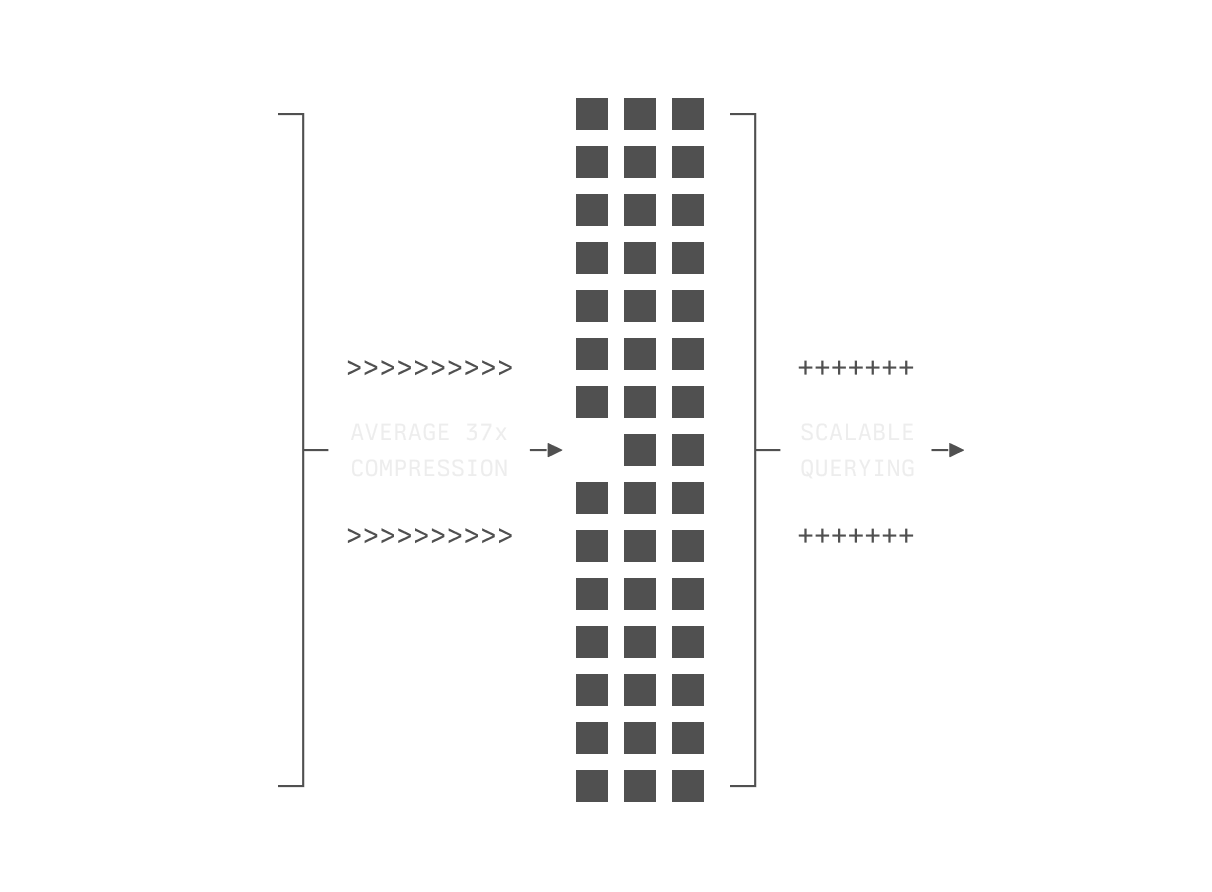
Axiom is a serverless observability platform that ingests petabytes of logs, metrics, traces, and events with 95%+ compression — giving engineering teams full-fidelity visibility at a fraction of what Datadog or CloudWatch costs. It's especially strong for serverless, edge, and AI workloads.
Axiom is an agent-native observability platform for logs, metrics, traces, and events, designed to give engineering teams full-fidelity data at a fraction of what legacy tools cost. We rate it 82/100 — an excellent choice for developer teams who need honest pricing, high-cardinality support, and modern AI-era observability without the operational burden.
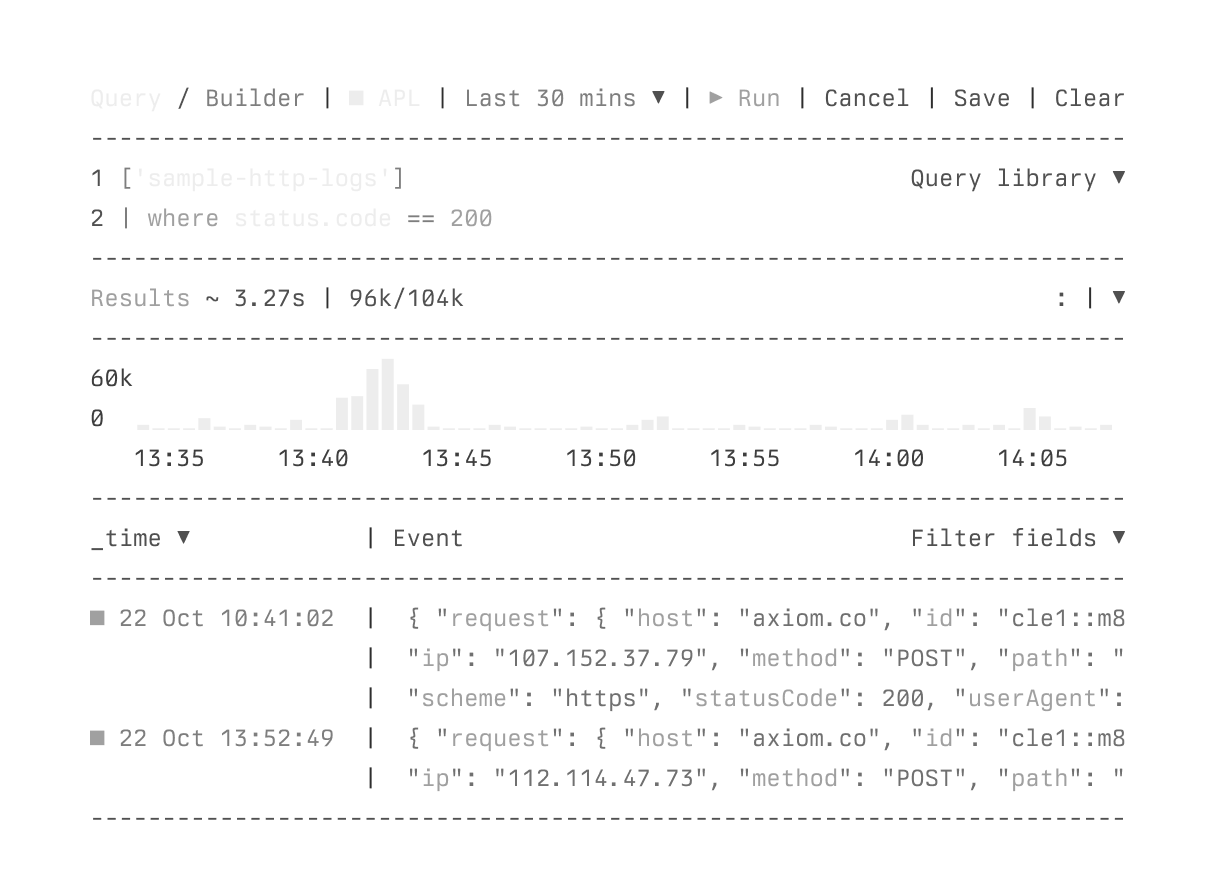
Axiom was founded in 2020 in San Francisco and serves over 30,000 organizations. The platform's core premise: traditional observability tools like Datadog and Splunk were designed for a world of small, structured datasets — not the modern reality of petabyte-scale event streams, serverless functions, and AI agent traces. Axiom rebuilds the observability stack from scratch with two purpose-built data stores: EventDB for event and log data, and MetricsDB for high-cardinality metrics, both queryable through a single interface using APL (Axiom Processing Language), a syntax built on KQL.
What sets Axiom apart from alternatives like Datadog, Grafana Cloud, or Better Stack is cost efficiency and schema-less ingest. Axiom averages 95%+ compression on raw event data, meaning teams routinely report 10×–20× cost savings versus CloudWatch or Datadog — especially at scale. It also added a native AI observability layer for teams building with LLMs, offering prompt tracking, cost/latency metrics, and agent workflow tracing.
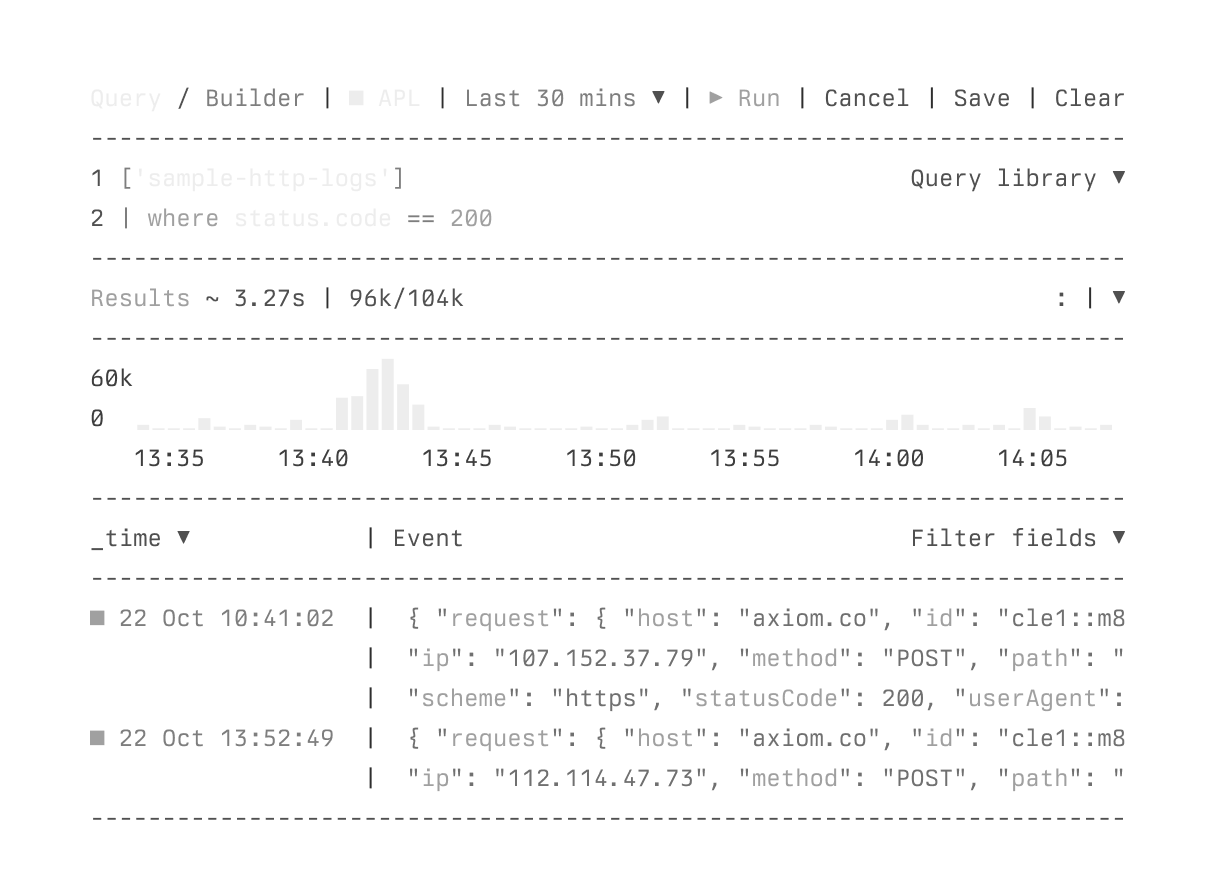
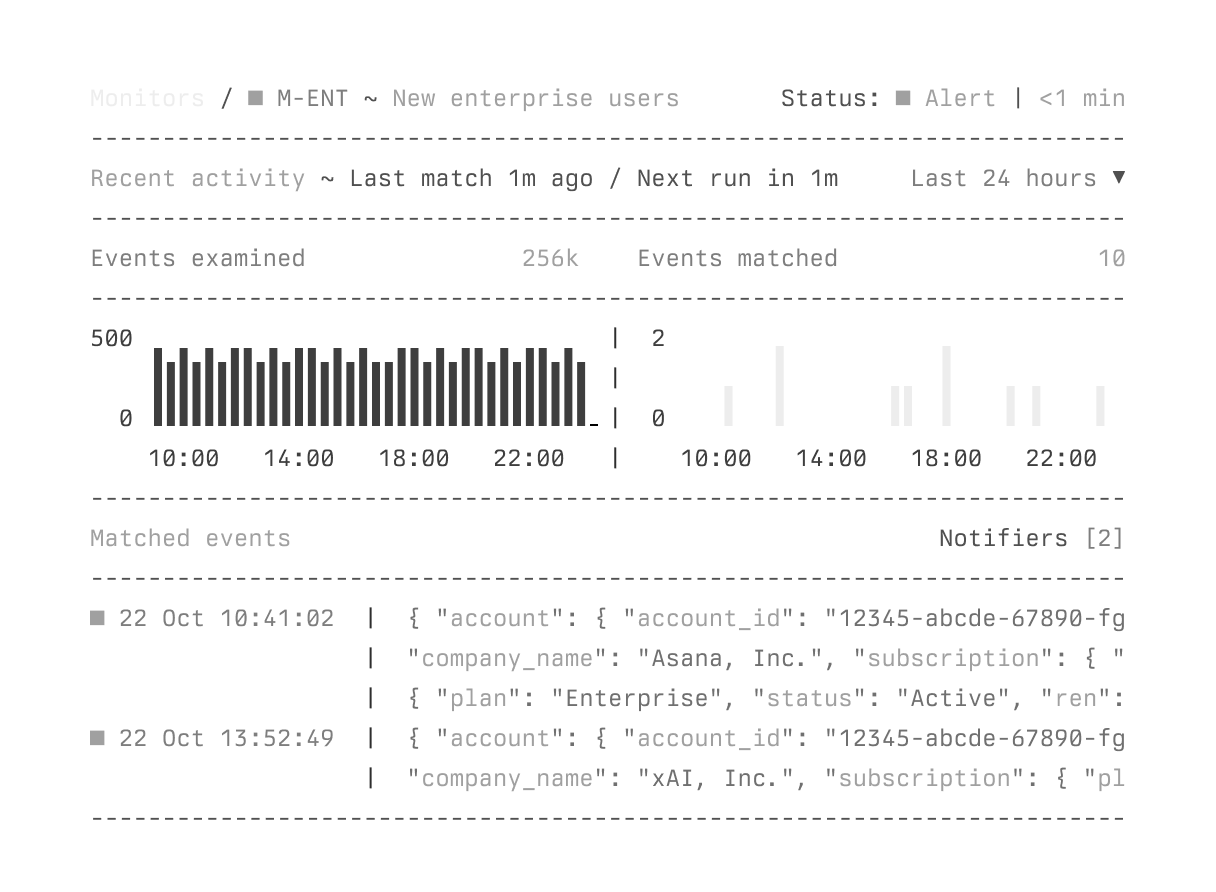
Developer feedback is consistently strong around cost savings and developer experience. The most upvoted sentiment across indie dev communities and Hacker News discussions: "Axiom is the only product that lets me affordably keep all my logs for a year." The serverless architecture resonates deeply with teams on AWS Lambda or Vercel who previously had to choose between full visibility and manageable bills. On The New Stack, Axiom's Chief Extrovert Kendall Miller notes: "I can hire an engineer off the street and they immediately know how to get value out of Axiom." Recurring praise covers fast setup (under 30 minutes for first log ingestion), the clean query interface, and transparent pricing. The most common complaints: APL has a learning curve for teams accustomed to SQL-style syntax, and the SaaS-only model is a dealbreaker for organizations with strict on-premise requirements. Some users also cite the free tier's 30-day retention limit as too short for compliance workflows.
Axiom offers a permanent free Personal tier and a usage-based Cloud plan. There is no time-limited free trial — the free tier is genuinely useful for solo developers and small projects with no credit card required.
| Plan | Price | Key Limits |
|---|---|---|
| Personal | $0/month | 500 GB/month ingest, 25 GB storage, 30-day retention, 1 user, 2 datasets, 3 monitors |
| Cloud | $25/month base + usage | 1,000 GB/month ingest included, 100 GB-hours compute/month, configurable retention, 100 users, 500 monitors |
| Enterprise add-ons | $50–$100/month each | RBAC ($50), Audit Log ($50), SSO/SAML ($100), Directory Sync ($100) — all optional add-ons to Cloud |
Storage on Cloud is billed at $0.030/GB/month for compressed data. Credits for overage compute and ingest do not expire while the organization remains active. Volume discounts apply automatically as usage scales.
Best for: Startups, indie developers, and engineering teams at high-growth companies who need full-fidelity observability without the budget shock of Datadog or Splunk. Particularly strong for serverless and edge workloads (Cloudflare Workers, AWS Lambda, Vercel), teams building AI applications who need LLM observability, and anyone shipping fast who doesn't want to manage ELK stacks.
Not ideal for: Enterprises with strict on-premise or data residency requirements — Axiom has no self-hosted option as of 2026. Teams deeply invested in Prometheus/Grafana ecosystems may also find the APL query language switch disruptive.
Pros:
Cons:
The closest alternatives are Better Stack Logs (simpler UI and pricing, but less powerful query engine), Datadog (industry standard with far more integrations, but notoriously expensive at scale), and Grafana Cloud (open-source-friendly, self-hostable, but requires more operational setup). For teams wanting self-hosting control, open-source alternatives like SigNoz are worth evaluating. PostHog also competes on the product analytics side — see our PostHog review.
Yes — for the right team, Axiom is definitively worth it. If you're on a modern cloud stack (serverless, edge, containers) and your current observability bill is causing pain, Axiom's compression-first architecture and usage-based pricing make a compelling case. The free tier is among the most generous in the observability space. The 82/100 rating reflects excellent technical architecture and developer experience, docked for the SaaS-only constraint and the APL learning curve that SQL-native teams will need to climb.
ServiceNow and Accenture Launch Forward Deployed Engineering Program to Scale Agentic AI in the Enterprise (May 6, 2026)
At Knowledge 2026, ServiceNow and Accenture announced a joint forward deployed engineering program that drops co-located engineer pods into customer environments to ship agentic AI workflows natively on the ServiceNow AI Platform — with access to 300+ pre-built agent skills and the AI Control Tower as the governance backbone.
May 7, 2026
ReFiBuy Raises $13.6M Seed to Help Brands Get Recommended by AI Shopping Agents (May 5, 2026)
ReFiBuy, the Raleigh-based agentic commerce platform from ChannelAdvisor founder Scot Wingo, closed an oversubscribed $13.6M seed led by NewRoad Capital Partners on May 5, 2026 — betting that the next billion-dollar e-commerce moat is being chosen by ChatGPT, Claude and Perplexity.
May 7, 2026
OpenAI Replaces ChatGPT's Default Model With GPT-5.5 Instant — 52.5% Fewer Hallucinations, 30% Shorter Answers (May 5, 2026)
OpenAI on May 5 swapped GPT-5.3 Instant for the new GPT-5.5 Instant as ChatGPT's default model, claiming 52.5% fewer hallucinated claims on high-stakes prompts and 30% more concise answers. The model also rolls into the API as chat-latest and adds personalization from Gmail and past chats for Plus and Pro web users.
May 7, 2026
Is this product worth it?
Built With
Compare with other tools
Open Comparison Tool →