 Hosting & Infrastructure
Pi-hole
Network-wide ad blocker and DNS sinkhole — kills ads on every device on your network without any client software
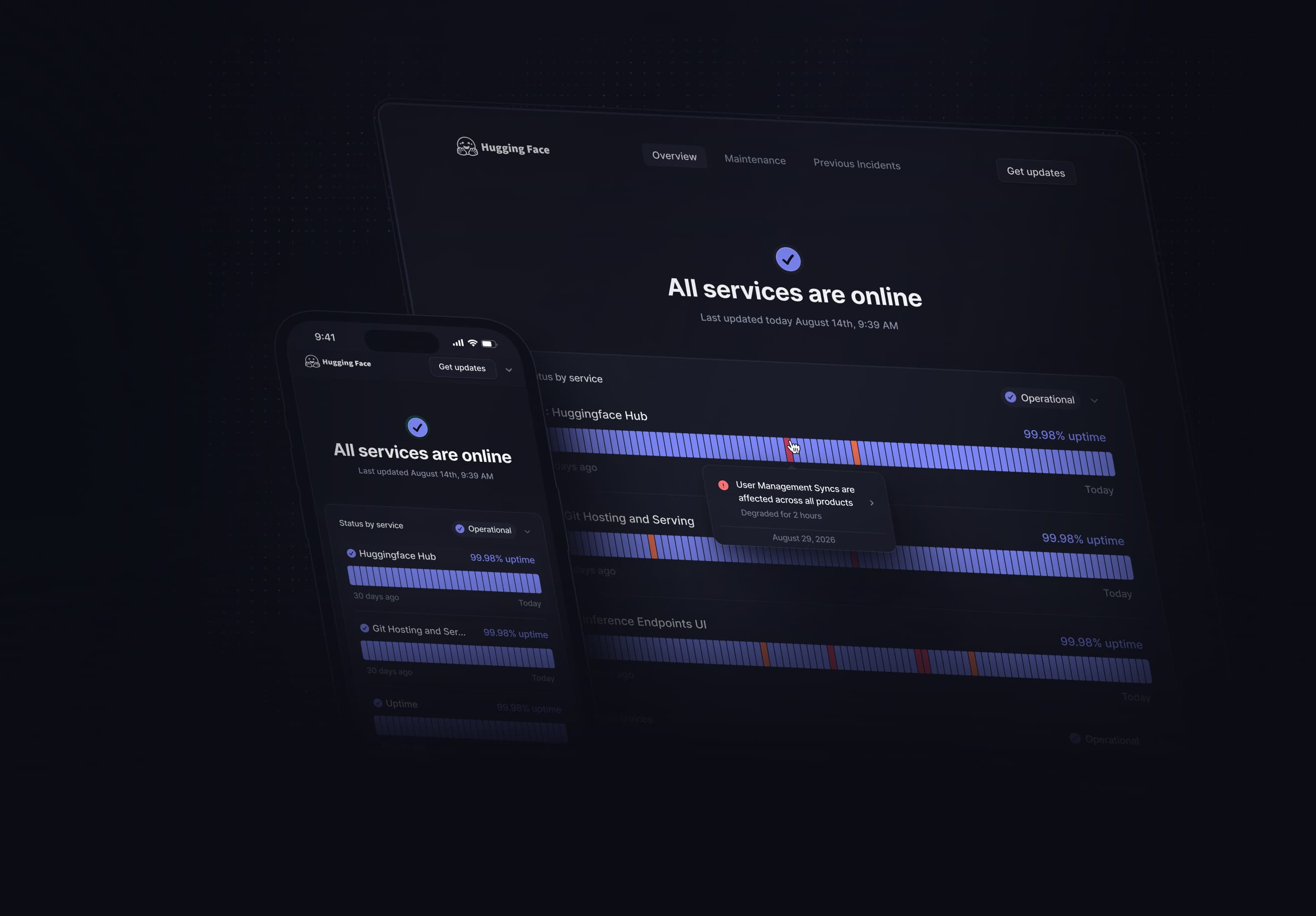
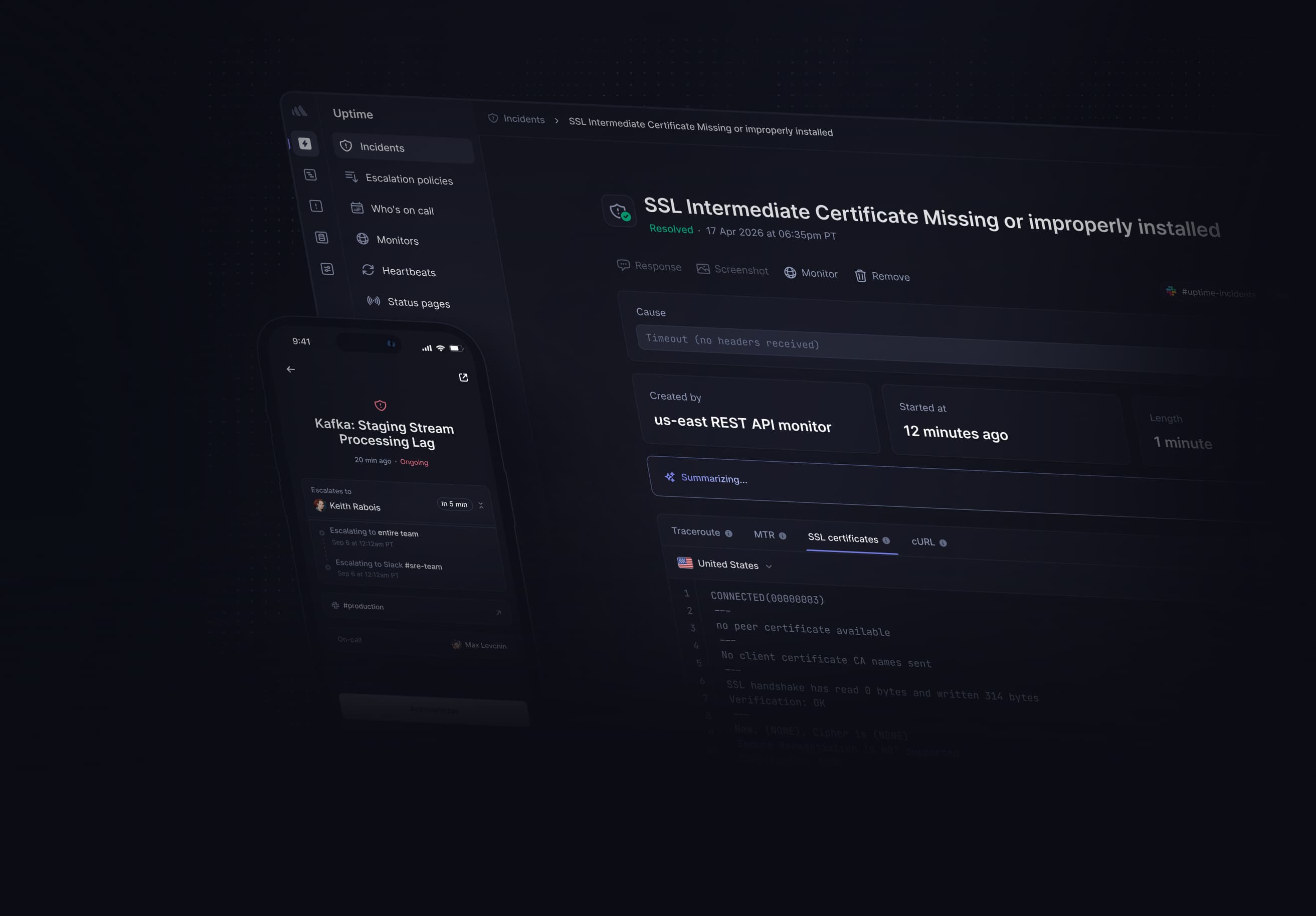
Better Stack unifies uptime, logs, metrics, traces, errors, on-call, and status pages into a single observability platform priced 30x cheaper than Datadog. Our hands-on review of pricing, features, and limits.
Better Stack is an AI-native observability and incident-management platform that bundles uptime monitoring, log management, metrics, traces, error tracking, on-call, and status pages into one product priced — by its own claim — 30× cheaper than Datadog. We rate it 87/100 — it's the most polished Datadog-alternative for small-to-mid teams who want a single bill, predictable storage costs, and a UI that doesn't require a dedicated SRE to operate.
Better Stack is built by the team behind Better Uptime (launched in ) and Logtail, two products that were unified under the Better Stack brand in 2022. The company is led by founder and CEO Juraj Masár and is headquartered in Prague, Czech Republic. As of the homepage advertises 7,000+ paying customers, including names like Ramp, Marriott, and OutSystems.
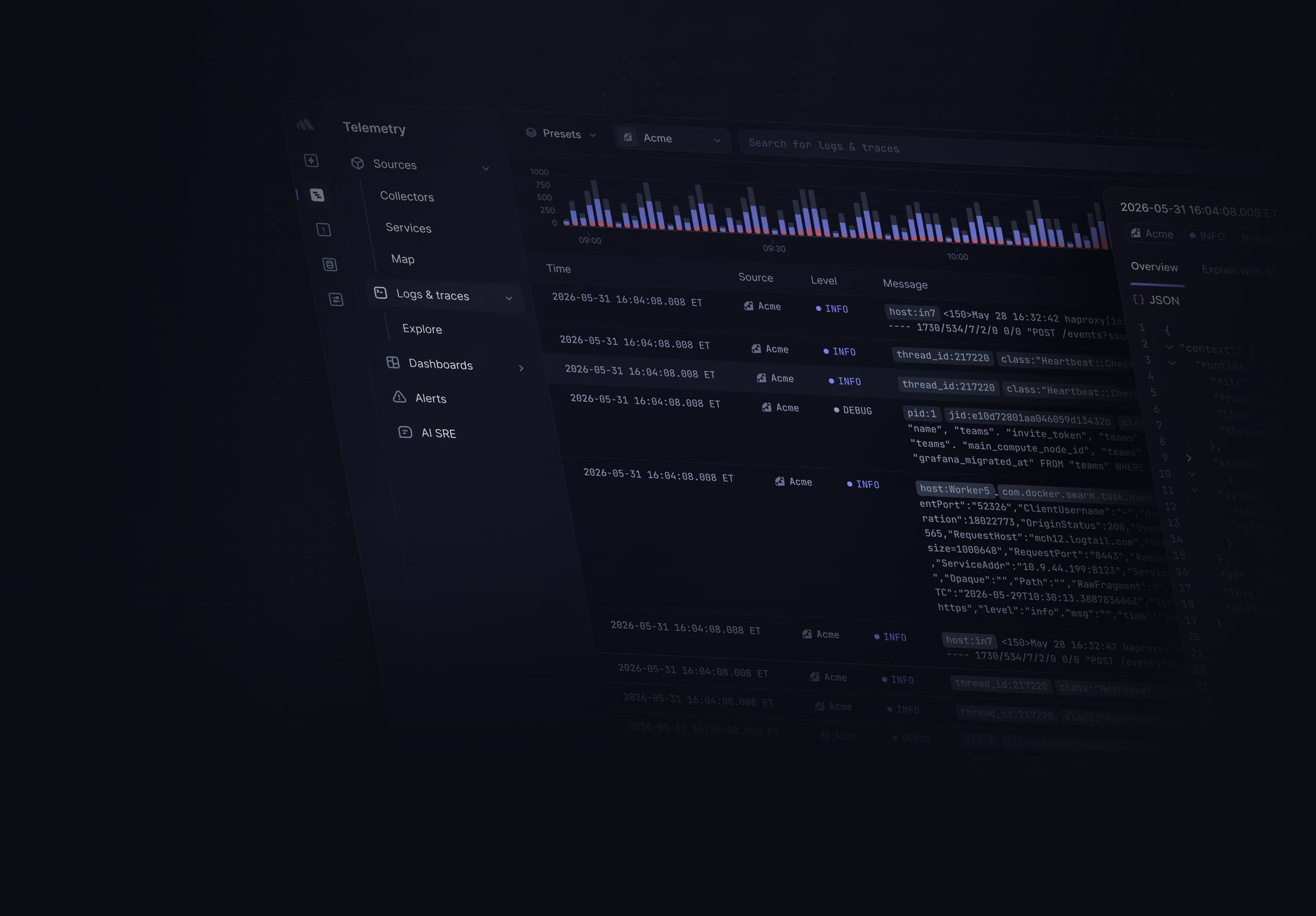
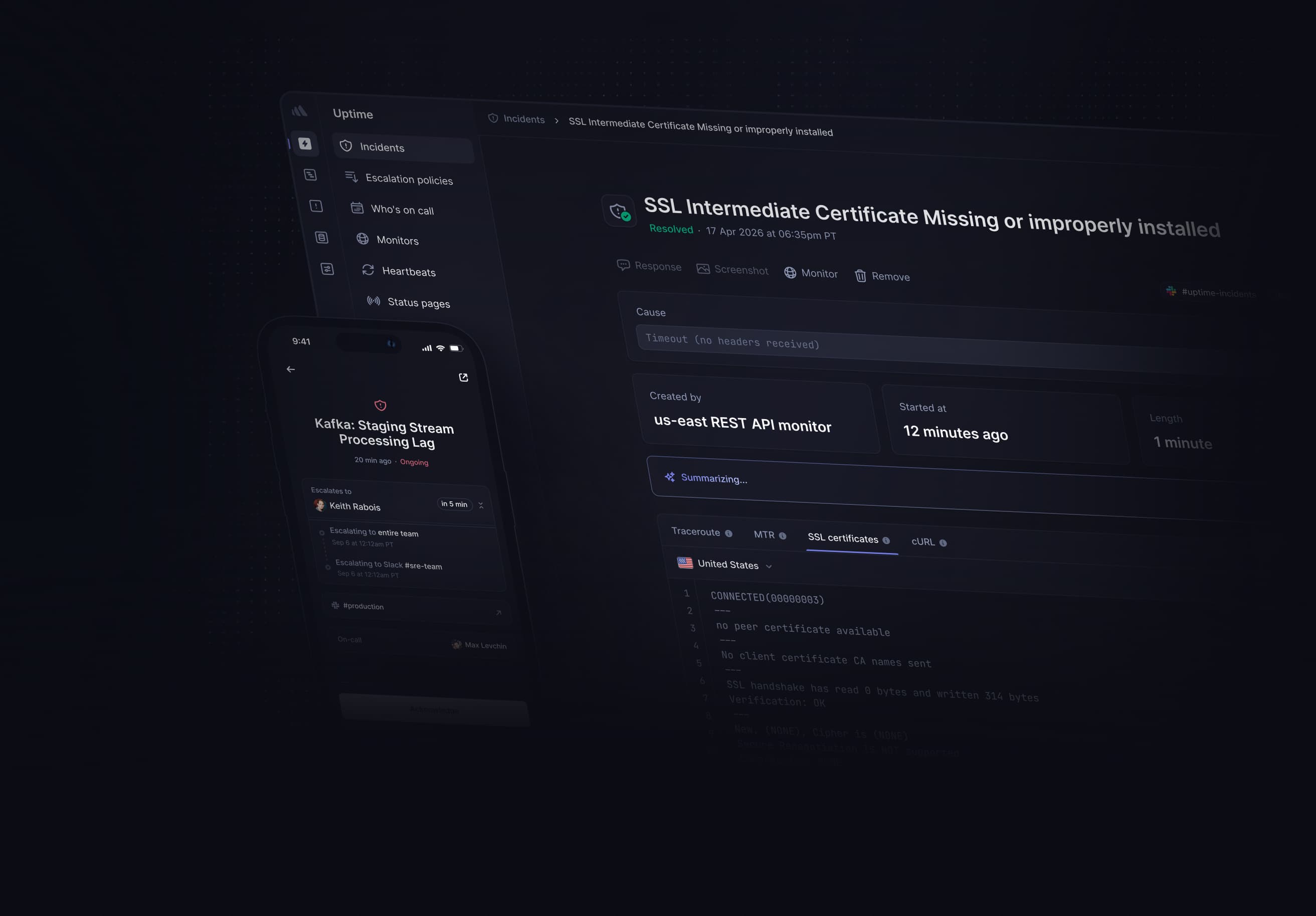
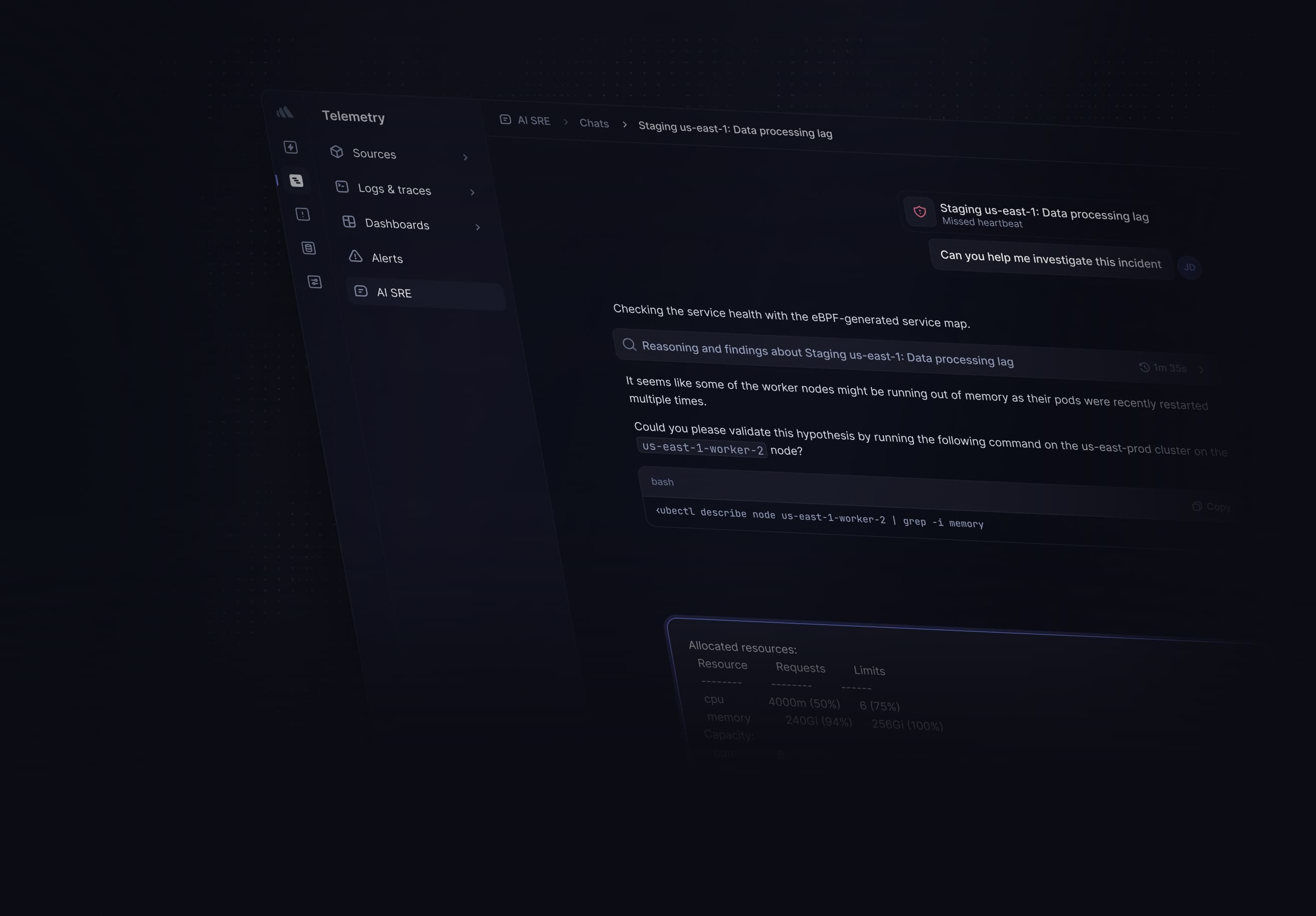
The pitch is simple: most teams stitch together Pingdom (or UptimeRobot) for uptime, Loggly or Datadog for logs, PagerDuty for on-call, Statuspage for public status, and Sentry for errors. Better Stack does all of that natively in one console, with a Slack-native AI SRE agent layered on top to triage incidents, summarise logs, and propose root causes.
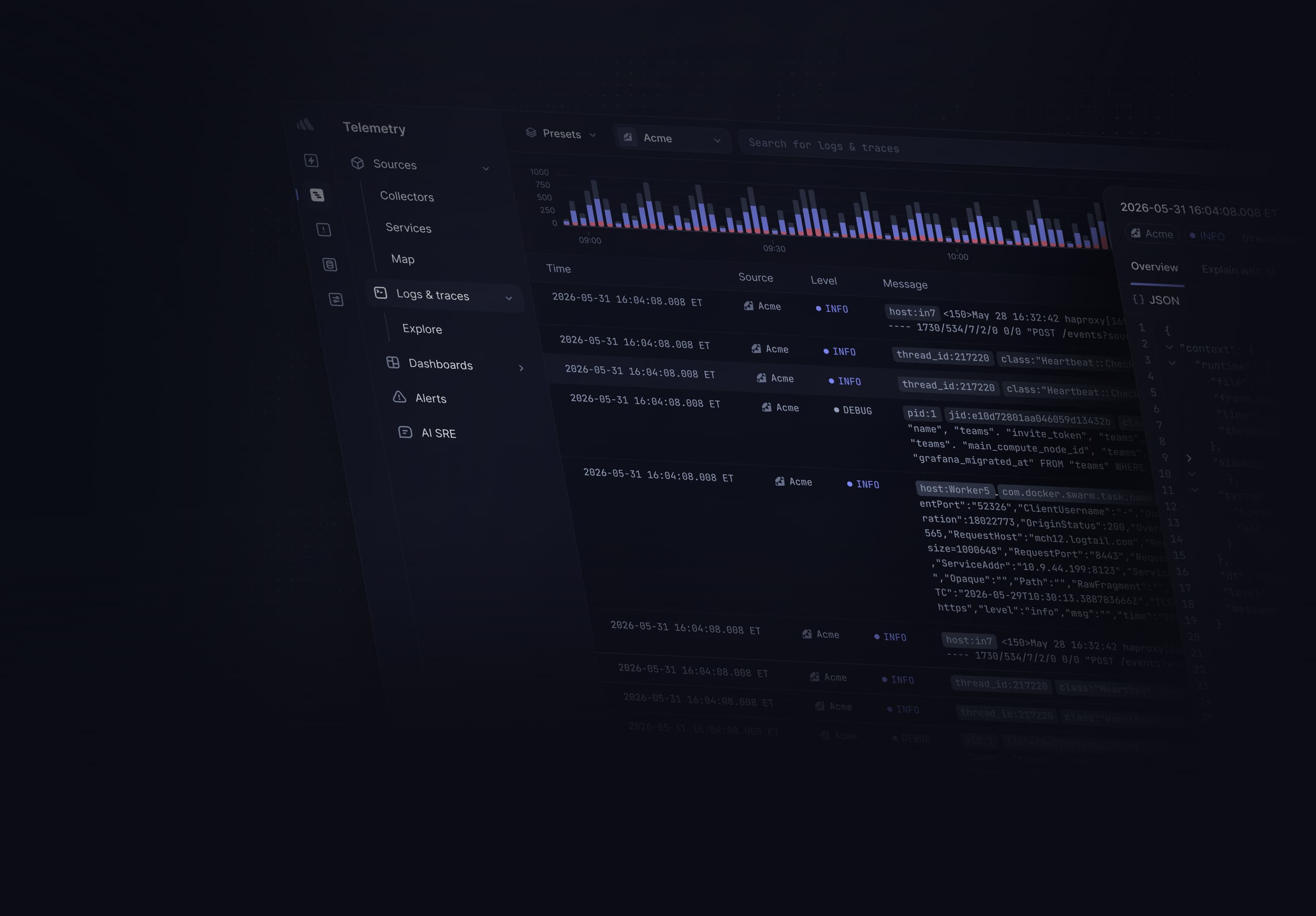
On G2 Better Stack averages 4.8/5 across user reviews — slightly higher than Datadog's score on the same site — with stand-out scores for ease of setup and quality of support. Capterra reviewers echo the same: praise for "an interface that's easy to understand" and "the best-looking observability UI I've ever used." The recurring complaints we see across G2, Capterra, and Reddit's r/devops threads are: APM and distributed tracing are less mature than Datadog's, the Telemetry bundles get expensive at the higher Mega/Tera tiers, and there's no self-hosted option (so heavily-regulated teams default to Grafana+Loki or SigNoz instead). On Hacker News, the most-upvoted recent thread credits Better Stack for "the only status page I don't hate configuring," but flags that custom-domain status pages are billed per page rather than per workspace.
Better Stack uses a hybrid free + bundle + pay-as-you-go model. The free tier is unusually generous; once you grow past it, you pick a Telemetry storage bundle plus an Uptime/Incident license per responder.
| Plan | Price (annual) | What's Included |
|---|---|---|
| Free | $0/month | 10 monitors, 10 heartbeats, 1 status page, 3 GB logs (3-day retention), 100,000 exceptions, 5,000 session replays, Slack & email alerts |
| Telemetry Nano | $25/month | 40 GB logs + 40 GB metrics + 40 GB traces, 30-day retention, ClickHouse-backed querying |
| Telemetry Micro | $100/month | 160 GB across each of logs/metrics/traces — fits most growing SaaS startups |
| Telemetry Mega | $210/month | 340 GB across each signal — the typical sweet spot for Series A teams |
| Telemetry Tera | $420/month | 700 GB across each signal — comparable to a low-tier Datadog contract |
| Uptime / Incident license | $29/responder/month | Unlimited phone-call & SMS alerts per responder, on-call schedules, status pages |
| Pay-as-you-go | $0.15/GB ingested | Storage at $0.08–$0.75/GB/month depending on signal type, AI SRE at $0.00003/token |
| Enterprise | Contact sales | Custom cluster deployment, SSO, IP allowlisting, SOC 2 Type II, BAA |
Every paid plan ships with a 60-day money-back guarantee, which is the longest in the observability category we've seen.
Best for: small-to-mid engineering teams (1–50 engineers) who want one tool for uptime, logs, status pages, and on-call without paying Datadog or PagerDuty enterprise pricing. Particularly strong for cloud-native SaaS startups, indie hackers, and agencies running client status pages.
Not ideal for: enterprises that need deep distributed-tracing flame graphs, code-level APM, or self-hosting in an air-gapped environment. Heavily regulated US healthcare teams will also find that BAA support is gated behind Enterprise plans.
Pros:
Cons:
The closest direct competitors are Datadog (more powerful APM, much higher price floor), Grafana Cloud (better dashboards, more complex setup), SigNoz (open-source self-hosted), Uptime Kuma (free OSS uptime only), and Hyperping (cheaper uptime + status pages, no logs). For pure log management, Grafana Loki remains the open-source default.
If you're paying a Datadog bill north of $2,000/month and you don't actually use 80% of Datadog's APM surface area, Better Stack will probably cut your spend by 60–80% without you noticing a workflow loss — and you'll consolidate three or four other tools in the process. If you're a regulated enterprise that needs deep code-level tracing or self-hosting, look at SigNoz or stay on Datadog. For everyone in between — bootstrapped startups through Series B SaaS — Better Stack is the most pragmatic observability stack on the market in 2026, which is why we rate it 87/100.
ServiceNow and Accenture Launch Forward Deployed Engineering Program to Scale Agentic AI in the Enterprise (May 6, 2026)
At Knowledge 2026, ServiceNow and Accenture announced a joint forward deployed engineering program that drops co-located engineer pods into customer environments to ship agentic AI workflows natively on the ServiceNow AI Platform — with access to 300+ pre-built agent skills and the AI Control Tower as the governance backbone.
May 7, 2026
ReFiBuy Raises $13.6M Seed to Help Brands Get Recommended by AI Shopping Agents (May 5, 2026)
ReFiBuy, the Raleigh-based agentic commerce platform from ChannelAdvisor founder Scot Wingo, closed an oversubscribed $13.6M seed led by NewRoad Capital Partners on May 5, 2026 — betting that the next billion-dollar e-commerce moat is being chosen by ChatGPT, Claude and Perplexity.
May 7, 2026
OpenAI Replaces ChatGPT's Default Model With GPT-5.5 Instant — 52.5% Fewer Hallucinations, 30% Shorter Answers (May 5, 2026)
OpenAI on May 5 swapped GPT-5.3 Instant for the new GPT-5.5 Instant as ChatGPT's default model, claiming 52.5% fewer hallucinated claims on high-stakes prompts and 30% more concise answers. The model also rolls into the API as chat-latest and adds personalization from Gmail and past chats for Plus and Pro web users.
May 7, 2026
Is this product worth it?
Built With
Compare with other tools
Open Comparison Tool →