 Security
Bitwarden
Open-source password manager — unlimited free vault on every device, AES-256 encryption, audited annually.
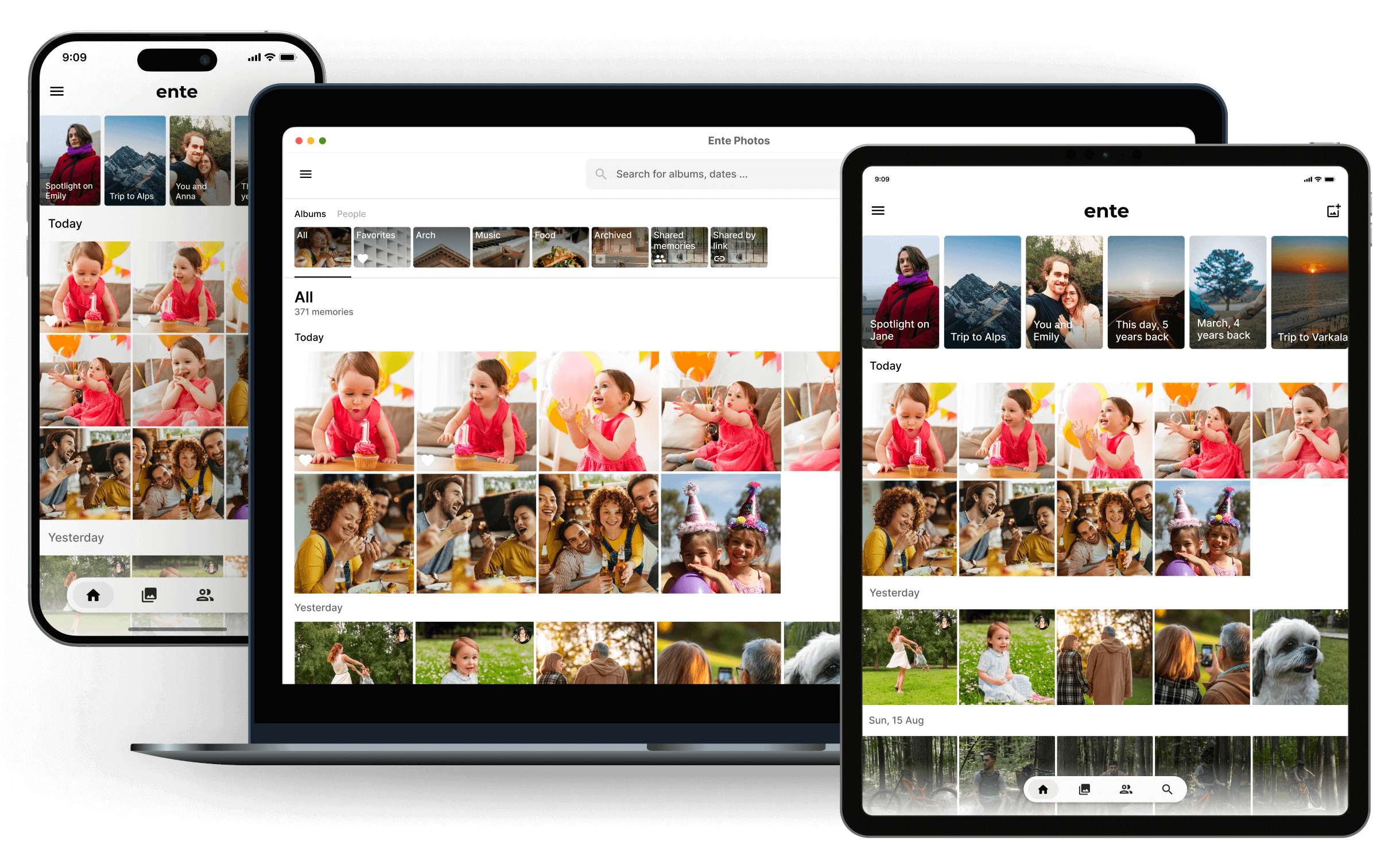
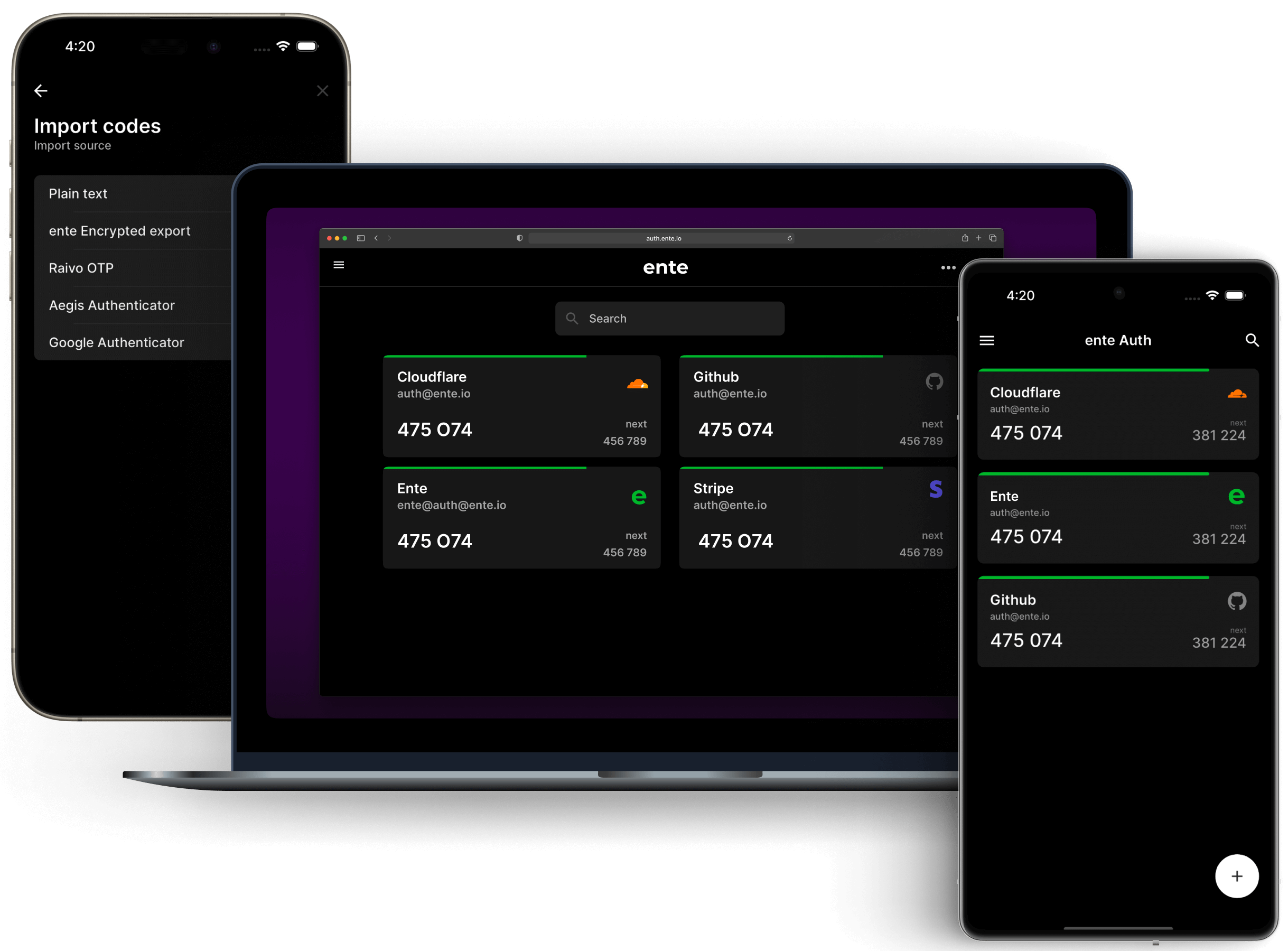
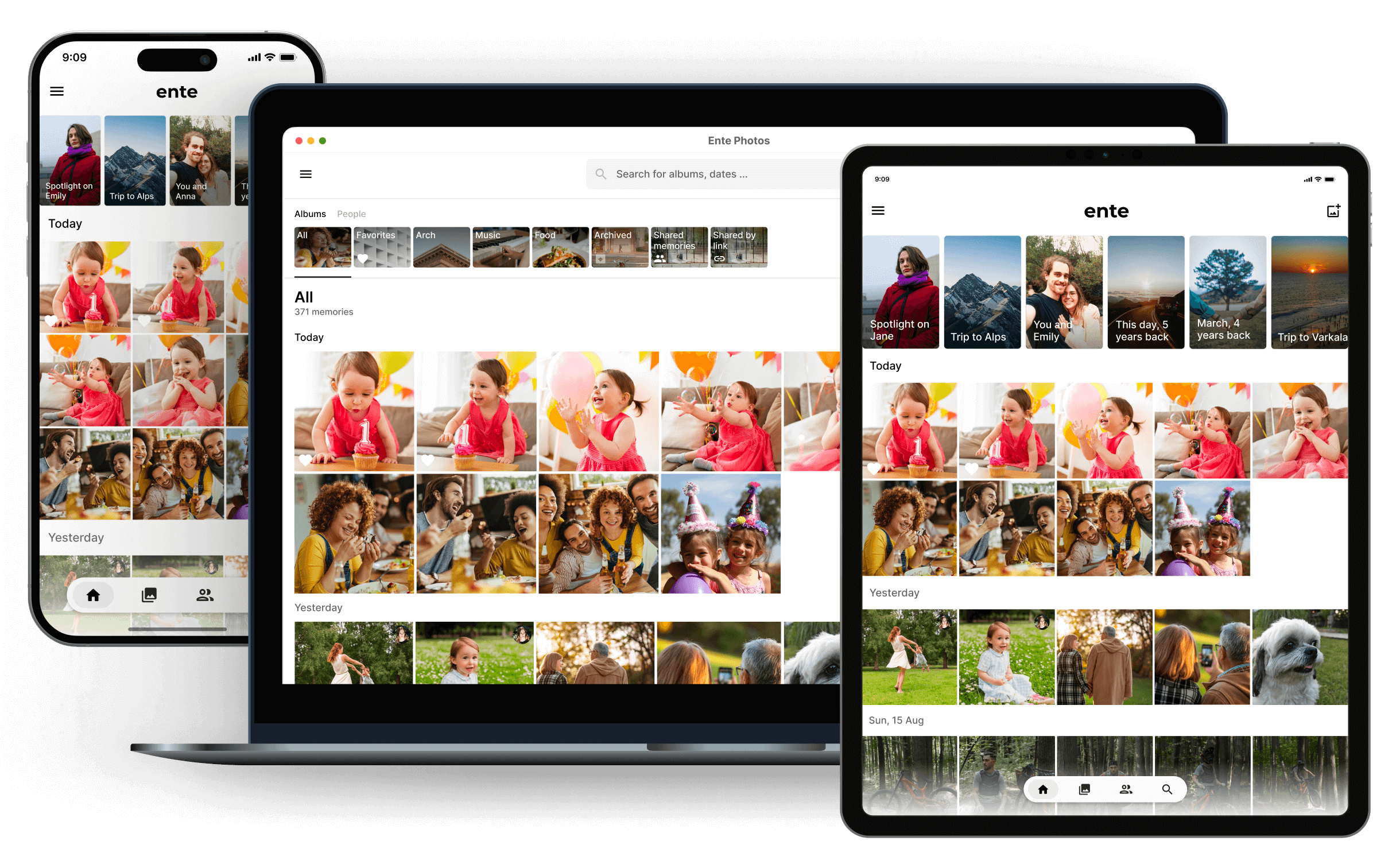
Ente is a fully end-to-end encrypted, open-source platform built around Ente Photos (a Google Photos alternative starting at 10 GB free) and Ente Auth (a free, cross-platform Authy replacement). Cure53-audited cryptography, 3× geo-redundant storage, self-hostable server.
Ente is a fully end-to-end encrypted, open-source platform built around two flagship apps: Ente Photos, a privacy-first alternative to Google Photos and iCloud, and Ente Auth, a free cross-platform replacement for Authy. We rate it 88/100 — the strongest 2026 pick for anyone who wants the convenience of a cloud photo library without handing every face, location and EXIF tag to an ad-supported giant.
Ente was founded by Vishnu Mohandas — an ex-Google engineer who quit after the 2018 Project Maven controversy — and launched publicly in . The Bengaluru- and San Francisco-registered company runs a single codebase at github.com/ente-io/ente (~26,000 stars) that powers iOS, Android, F-Droid, web, Linux, macOS and Windows clients, and ships an AGPL-3.0 server you can self-host on your own hardware.
The specific problem Ente solves is the "free photos tax": services like Google Photos and iCloud are convenient, but their privacy model assumes you are okay with the provider — and any government that compels them — reading your library. Ente inverts that contract. Photos, videos, file names, captions, album titles and even shared links are encrypted client-side with libsodium (XChaCha20-Poly1305 + Curve25519); the server only sees opaque ciphertext. The cryptography has been audited end-to-end by Cure53, Symbolic Software and Fallible, and the audit reports are public on the company’s site.
ente-cli downloads your entire library decrypted to a local folder — no lock-in, no API jiu-jitsu.museum server runs in Docker with one docker compose up; you keep the encryption, but your storage too.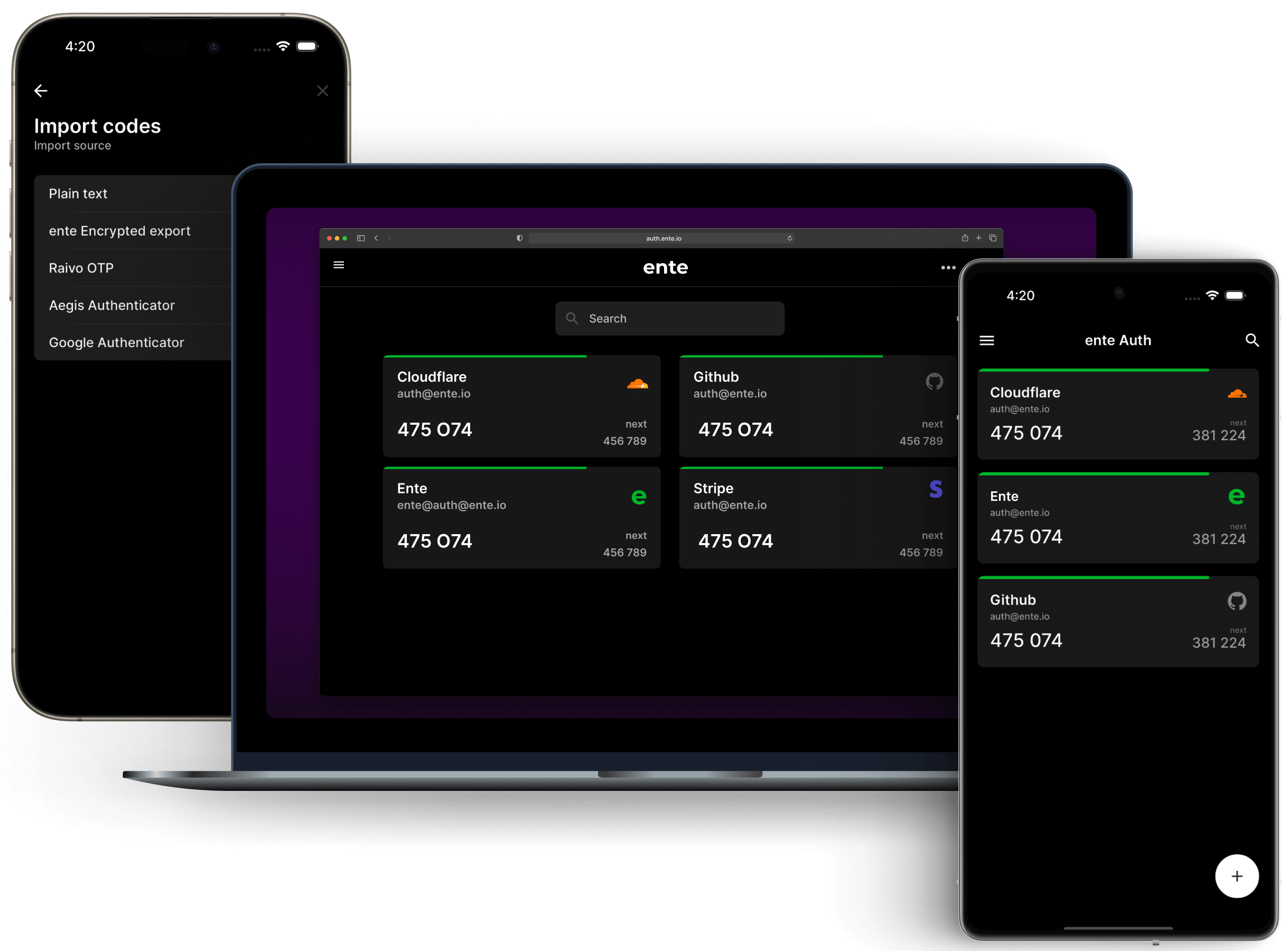
When Twilio retired the desktop Authy app in 2024 (and after Authy’s 33-million-phone-number breach the same year), most users had to choose between Aegis (Android-only), Google Authenticator (no real cross-device sync), or paying for a manager. Ente Auth is the only widely recommended option that is free, open source, end-to-end encrypted and available on iOS, Android, web, macOS, Windows and Linux. TOTP secrets are encrypted with the same libsodium primitives as Ente Photos before they ever touch the server, and recovery on a new device is as simple as logging back in with your master password.
Across r/privacy, r/selfhosted and the Privacy Guides forums, the consensus is that Ente is now the default privacy-first pick for anyone leaving Google Photos. XDA Developers calls it "my favorite open-source photo management tool", Android Authority highlights its speed and HEIC support, and Privacy Guides community moderators have fielded multiple deep-dive threads concluding the cryptography model holds up to scrutiny.
The recurring complaints are equally consistent. First, video previews on the free tier still buffer on slower connections — the team has shipped progressive transcoding through 2025 but it remains a sore spot in older Reddit threads. Second, on-device ML on entry-level Android phones with 4 GB of RAM can stall during initial library indexing; users typically work around this by leaving the app open overnight on first sync. Neither has stopped Ente from being the most-recommended encrypted photo service in the privacy community.
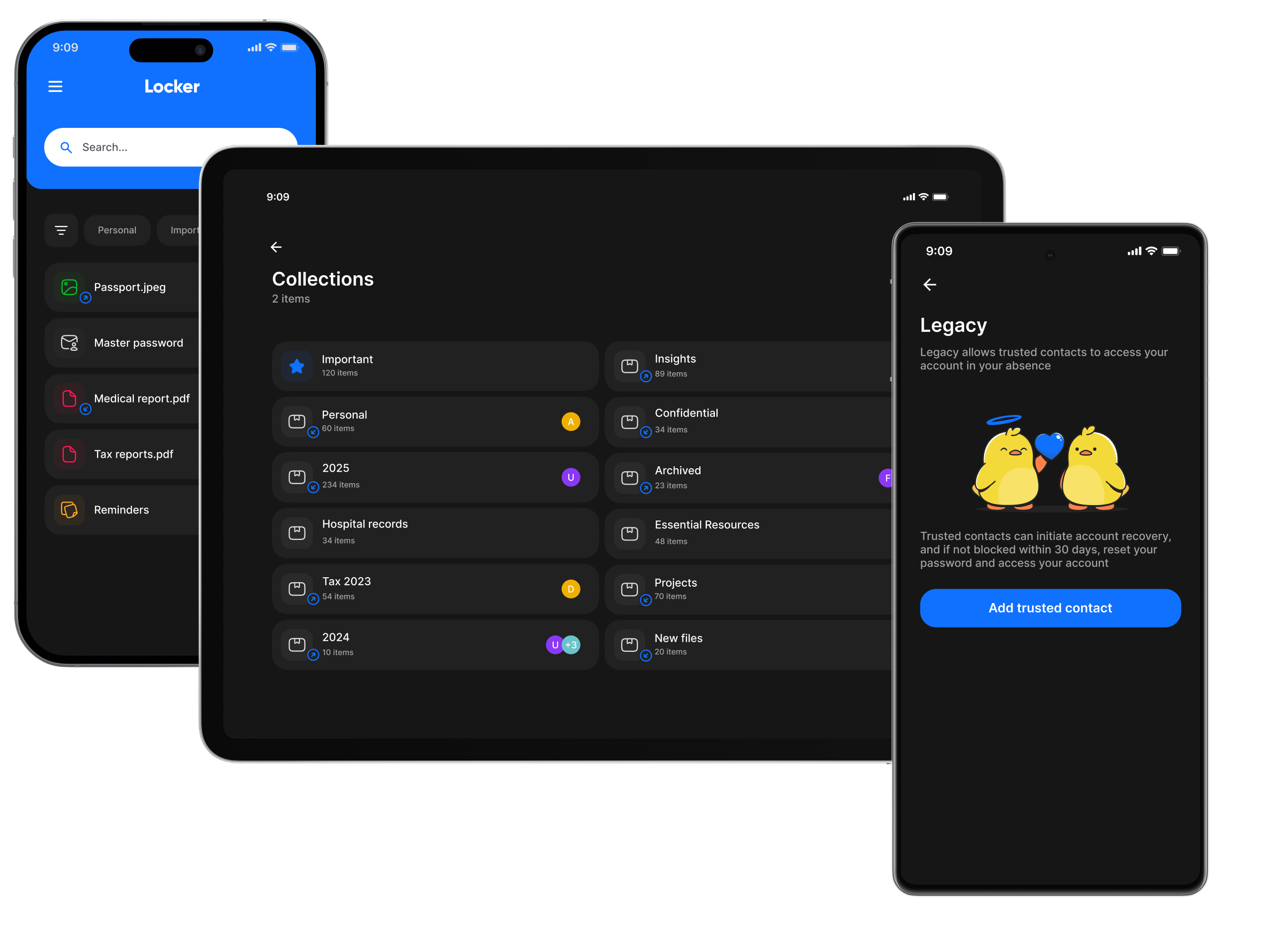
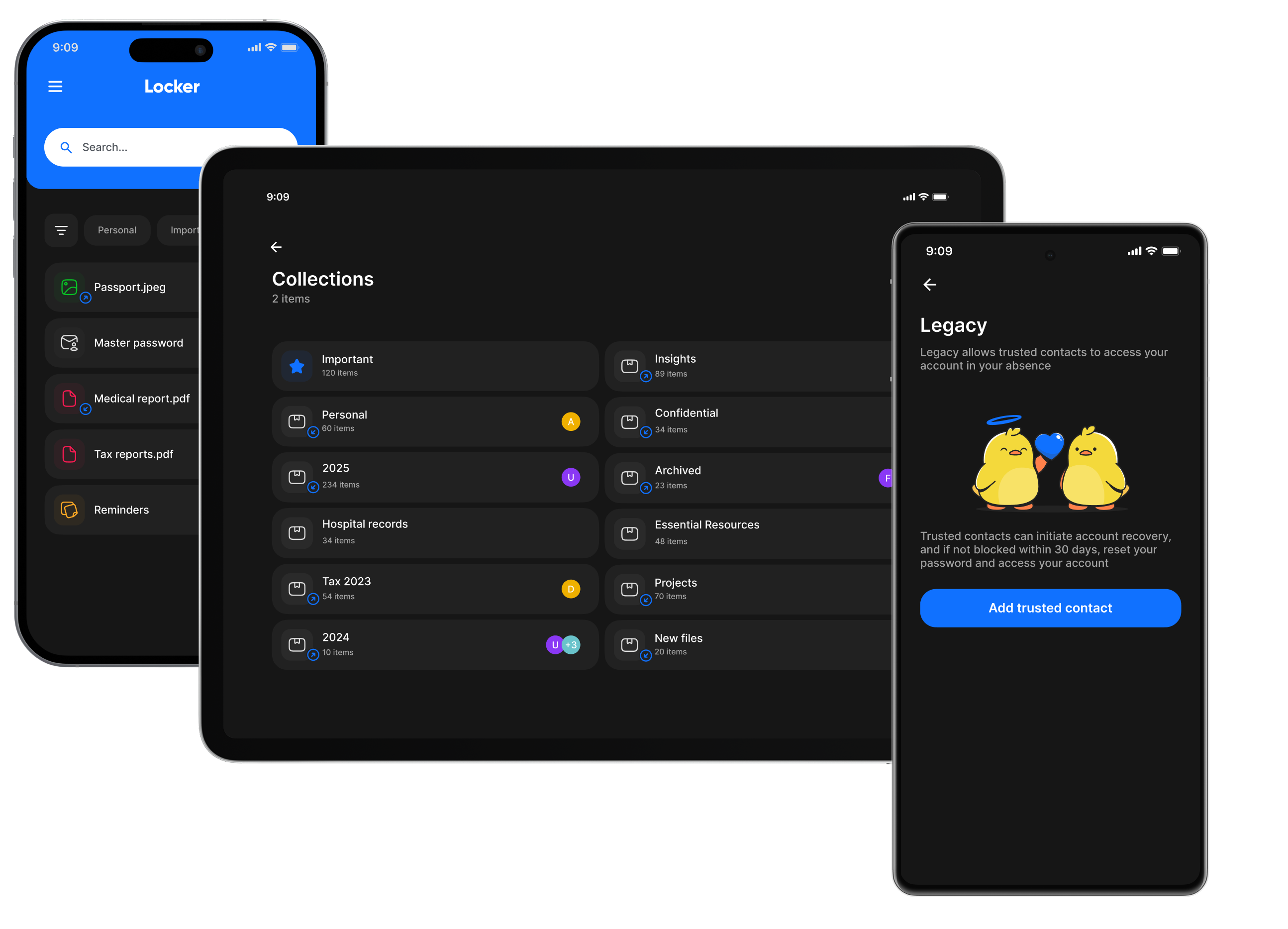
Ente Photos uses a transparent freemium model with annual billing discounts. Ente Auth and Ente Locker (up to 100 items) are free for everyone.
| Plan | Price | Storage & Limits |
|---|---|---|
| Free | $0 | 10 GB, full feature set, family plan eligible |
| 50 GB | $2.99/mo or $29.88/yr | 50 GB, family of 6, Locker bumped to 1,000 items |
| 200 GB | ~$4/mo or $48/yr | 200 GB, family of 6 |
| 1 TB | ~$14/mo | 1 TB, family of 6 |
| 2 TB | ~$24/mo | 2 TB, family of 6 |
| Self-hosted | Free | Run museum on your own hardware (AGPL-3.0) |
Refer a friend who upgrades and both sides earn 10 GB of bonus storage, up to a maximum of 2× your current plan.
Best for: Privacy-conscious individuals and families leaving iCloud or Google Photos, journalists and activists who need verifiable encryption, homelab users who want a self-hostable photo backend, and anyone burned by Authy’s 2024 desktop shutdown looking for a free, cross-platform 2FA app with secure cloud sync.
Not ideal for: Users who rely heavily on Google Photos’ cloud-side AI features like "Memories" videos with music, AI-generated highlight reels and Magic Eraser — these don’t map cleanly onto an end-to-end encrypted model, and Ente intentionally does not implement them. Also a poor fit for users who refuse to manage a master password (lose it and your data is unrecoverable; Ente cannot reset it).
Pros:
Cons:
Immich is the leading self-hosted alternative if you already run a NAS — faster local AI, but you own the storage, the backups and the SSL certificates. Proton Drive bundles E2EE photos with email and a VPN under one Swiss subscription, but its photo app lags Ente on iOS and the free tier is smaller. iCloud Advanced Data Protection gives you E2EE inside Apple’s ecosystem but is closed-source, Apple-only, and not available in every country. For 2FA specifically, Aegis remains the best Android-only choice, while Ente Auth wins on cross-platform and cloud sync.
Yes — for almost anyone serious about photo privacy. At $30/year for 50 GB shared across six family accounts, Ente Photos costs less than a Google One Standard plan and removes the ad-tech surveillance entirely. Ente Auth is a free upgrade over Google Authenticator that fixes the recovery-on-new-device problem. The trade-off is fewer flashy AI features and a slightly slower indexing pass on cheap Android hardware; the gain is verifiable, audited end-to-end encryption you can self-host. We rate Ente 88/100.
museum server are AGPL-3.0 licensed at github.com/ente-io/ente. You can self-host the entire backend.ente-cli downloads your full library, decrypted, to a local folder. There is no lock-in.ServiceNow and Accenture Launch Forward Deployed Engineering Program to Scale Agentic AI in the Enterprise (May 6, 2026)
At Knowledge 2026, ServiceNow and Accenture announced a joint forward deployed engineering program that drops co-located engineer pods into customer environments to ship agentic AI workflows natively on the ServiceNow AI Platform — with access to 300+ pre-built agent skills and the AI Control Tower as the governance backbone.
May 7, 2026
ReFiBuy Raises $13.6M Seed to Help Brands Get Recommended by AI Shopping Agents (May 5, 2026)
ReFiBuy, the Raleigh-based agentic commerce platform from ChannelAdvisor founder Scot Wingo, closed an oversubscribed $13.6M seed led by NewRoad Capital Partners on May 5, 2026 — betting that the next billion-dollar e-commerce moat is being chosen by ChatGPT, Claude and Perplexity.
May 7, 2026
OpenAI Replaces ChatGPT's Default Model With GPT-5.5 Instant — 52.5% Fewer Hallucinations, 30% Shorter Answers (May 5, 2026)
OpenAI on May 5 swapped GPT-5.3 Instant for the new GPT-5.5 Instant as ChatGPT's default model, claiming 52.5% fewer hallucinated claims on high-stakes prompts and 30% more concise answers. The model also rolls into the API as chat-latest and adds personalization from Gmail and past chats for Plus and Pro web users.
May 7, 2026
Is this product worth it?
Built With
Compare with other tools
Open Comparison Tool →