
 Marketing
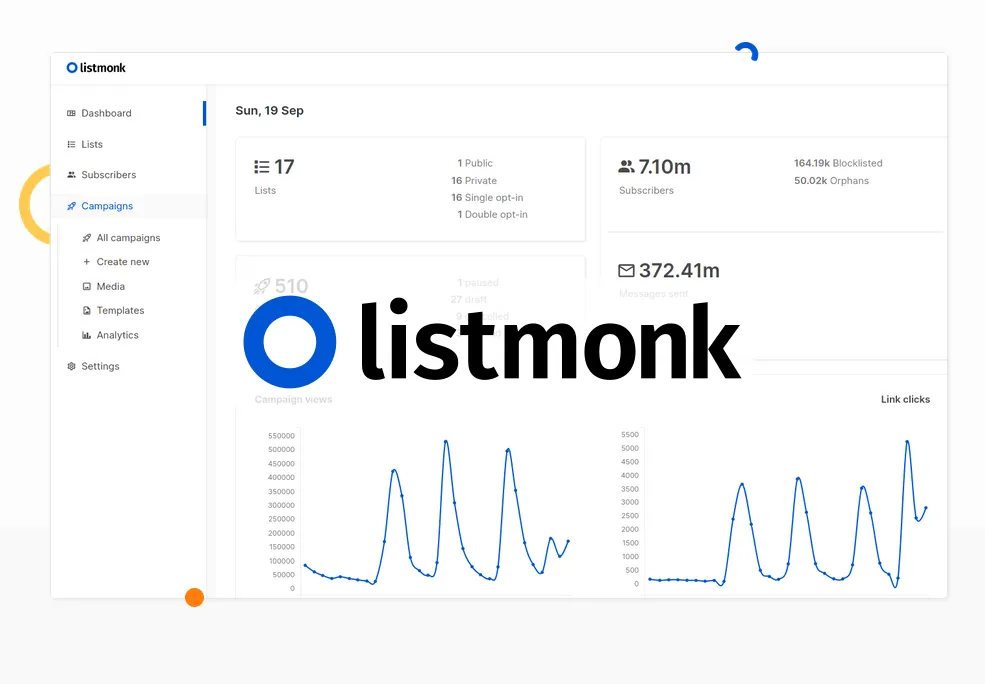
Listmonk
High-performance, self-hosted newsletter and mailing list manager packed into a single Go binary
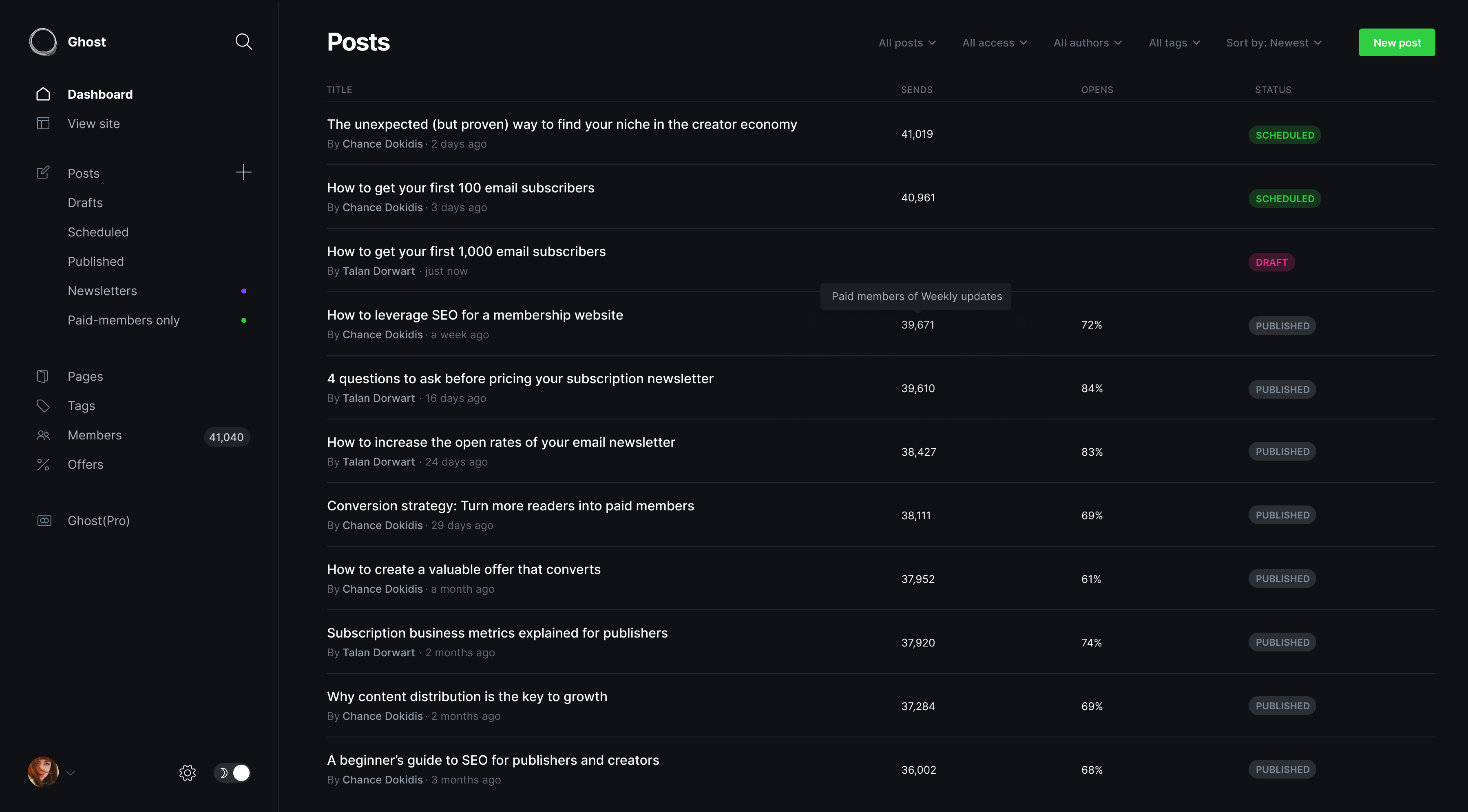
Ghost is the open-source publishing and newsletter platform behind 404 Media, Platformer and Tangle. It pairs a clean editor with native paid memberships and zero transaction fees.
Ghost is an open-source publishing platform that combines a beautiful writing editor with native email newsletters and paid memberships. We rate it 87/100 — it is the cleanest, fastest tool on the market for independent writers and small media teams who care more about publishing than about page-builders.
Ghost was founded in by John O'Nolan and Hannah Wolfe, after a Kickstarter campaign that raised £196,362 — funded in just 11 hours. The first public version, codename Kerouac, shipped on . Today the project is governed by the non-profit Ghost Foundation in Singapore, takes no venture capital, and is funded entirely by its Ghost(Pro) hosting customers.
Where WordPress wants to be every kind of website, Ghost is opinionated: it is built for people who write things and want subscribers — bloggers, journalists, indie creators, podcasters and small newsrooms. The trade-off is fewer knobs and far less plugin sprawl, in exchange for a focused product that is genuinely fast and pleasant to use. The codebase is MIT-licensed Node.js with more than 52,000 stars on GitHub, and notable publications running on Ghost include 404 Media, Platformer, Lever News, Tangle, The Browser, Buffer, Kickstarter and Unsplash.
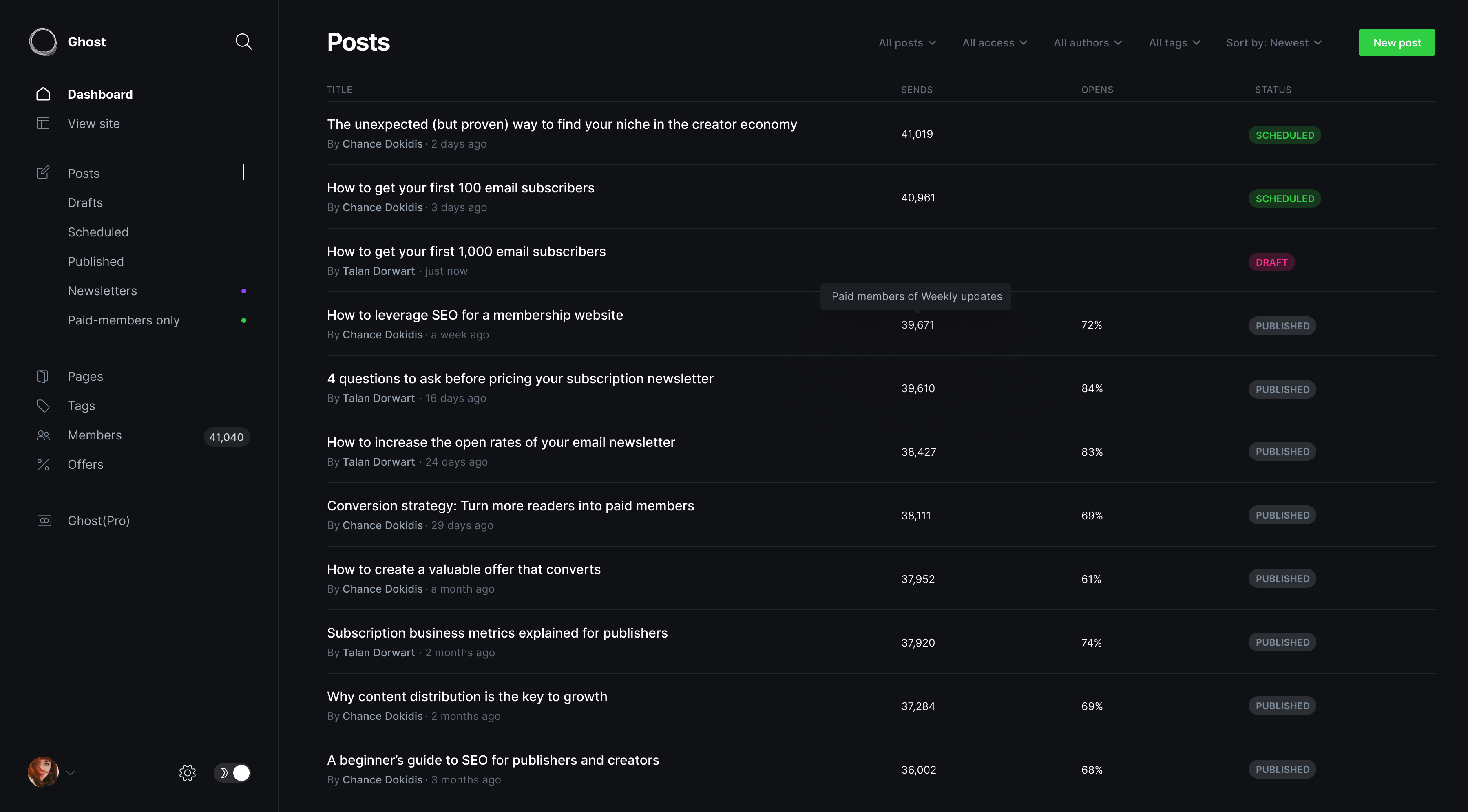

Sentiment across Reddit, Capterra and TrustRadius is consistently positive on the editing experience and the membership model. The most-upvoted threads on r/Ghost and r/SelfHosted praise how cleanly Ghost handles the paid-newsletter workflow that competitors stitch together with three or four tools. The recurring complaint, on Capterra and TrustRadius alike, is that Ghost(Pro) hosting feels expensive for hobbyists, and that the platform leans heavily on Stripe — which is not available in every country. Self-hosters report that running Ghost in production requires real sysadmin skills: Node.js, MySQL/SQLite, Mailgun for transactional email, plus reverse-proxy and SSL.
Ghost is free to self-host. Ghost(Pro) — the official managed hosting that funds the project — has four published tiers, billed yearly:
| Plan | Price (yearly) | Key Limits |
|---|---|---|
| Starter | $18/month | 1 staff user, default theme, 500 members included |
| Publisher | $29/month | 3 staff users, custom themes, 8,000+ integrations, advanced analytics |
| Business | $199/month | 15 staff users, priority support, higher usage limits, early features |
| Enterprise | Custom | Unlimited staff, dedicated IP, 99.9% uptime SLA, advanced configurations |
All plans include a 14-day free trial, free SSL, daily backups and a custom domain. Ghost takes 0% from member payments — Stripe's standard fees still apply.
Best for: Independent writers, journalists and small media teams whose product is the writing itself. Creators who want a paid newsletter without paying Substack a 10% revenue share. Technical teams that prefer a focused, API-first CMS over WordPress's plugin economy.
Not ideal for: Stores, marketplaces or brochure sites with lots of dynamic pages — Ghost has no native e-commerce. Teams that need autoresponders, drip campaigns or marketing automation will outgrow Ghost's email features. Writers in countries where Stripe does not operate cannot accept paid memberships.
Pros:
Cons:
For paid newsletters specifically, the closest competitors are beehiiv (best-in-class growth tools but a hosted-only SaaS), Buttondown (developer-friendly, lighter on membership features) and Substack (zero hosting cost but a 10% revenue share and weaker customisation). For general publishing, WordPress remains the most flexible option but requires assembling memberships, performance and editor experience yourself.
Yes, if your job is to publish words and earn money from readers. Ghost has the clearest product focus of any modern CMS — no AI feature creep, no investor-driven pivots, no plugin marketplace to police. For a creator running paid memberships, Ghost(Pro) at $29/month is cheaper than Substack the moment you cross around $300 in monthly revenue. We rate Ghost 87/100: a category leader for writers and indie media, held back from a higher score only by Stripe-only payments and a hosting price that looks steep next to commodity WordPress.
MarketingHigh-performance, self-hosted newsletter and mailing list manager packed into a single Go binary
 Marketing
Open-source, AI-powered social media scheduler with 20+ channel integrations and a real public API.
 Marketing
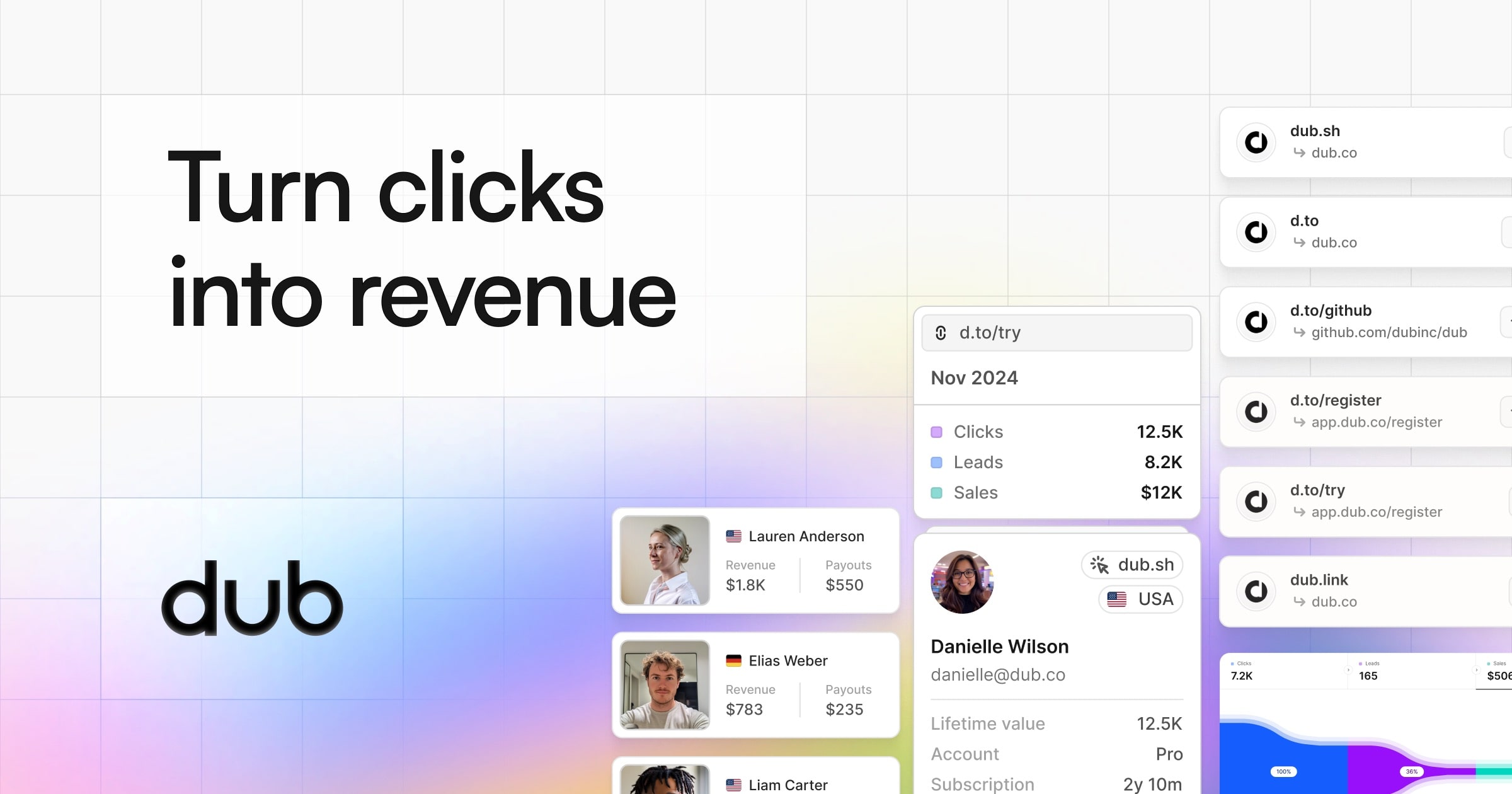
The modern, open-source link attribution platform — short links, real-time analytics, and affiliate programs in one.
 Marketing
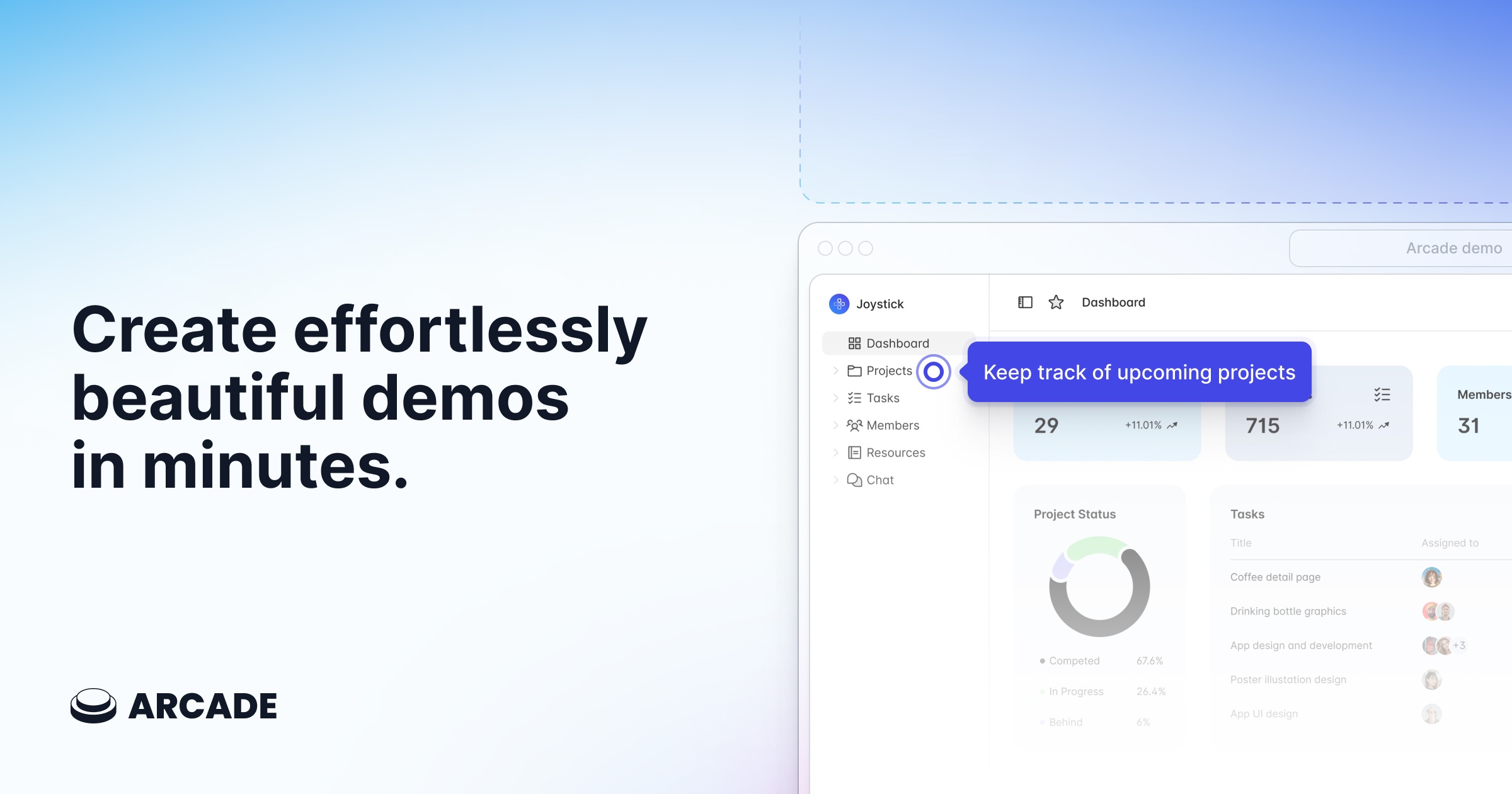
Build interactive product demos that convert in minutes — AI-powered, no code, 4.7/5 on G2.
ServiceNow and Accenture Launch Forward Deployed Engineering Program to Scale Agentic AI in the Enterprise (May 6, 2026)
At Knowledge 2026, ServiceNow and Accenture announced a joint forward deployed engineering program that drops co-located engineer pods into customer environments to ship agentic AI workflows natively on the ServiceNow AI Platform — with access to 300+ pre-built agent skills and the AI Control Tower as the governance backbone.
May 7, 2026
ReFiBuy Raises $13.6M Seed to Help Brands Get Recommended by AI Shopping Agents (May 5, 2026)
ReFiBuy, the Raleigh-based agentic commerce platform from ChannelAdvisor founder Scot Wingo, closed an oversubscribed $13.6M seed led by NewRoad Capital Partners on May 5, 2026 — betting that the next billion-dollar e-commerce moat is being chosen by ChatGPT, Claude and Perplexity.
May 7, 2026
OpenAI Replaces ChatGPT's Default Model With GPT-5.5 Instant — 52.5% Fewer Hallucinations, 30% Shorter Answers (May 5, 2026)
OpenAI on May 5 swapped GPT-5.3 Instant for the new GPT-5.5 Instant as ChatGPT's default model, claiming 52.5% fewer hallucinated claims on high-stakes prompts and 30% more concise answers. The model also rolls into the API as chat-latest and adds personalization from Gmail and past chats for Plus and Pro web users.
May 7, 2026
Is this product worth it?
Built With
Compare with other tools
Open Comparison Tool →