 Databases
DuckDB
The in-process SQL OLAP database — SQLite-style embedding, columnar speed, and 1.5.2 ships DuckLake 1.0 GA.
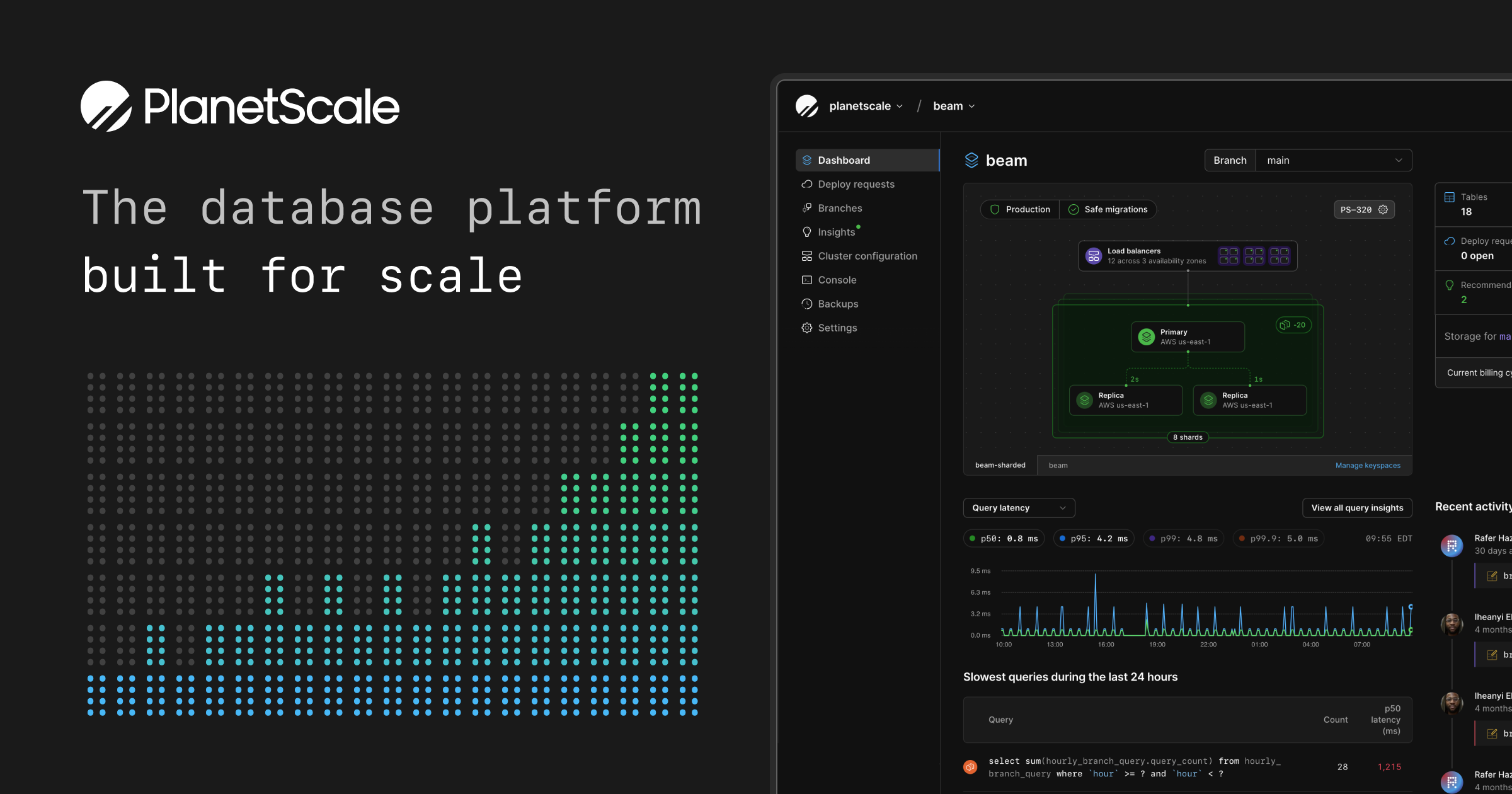
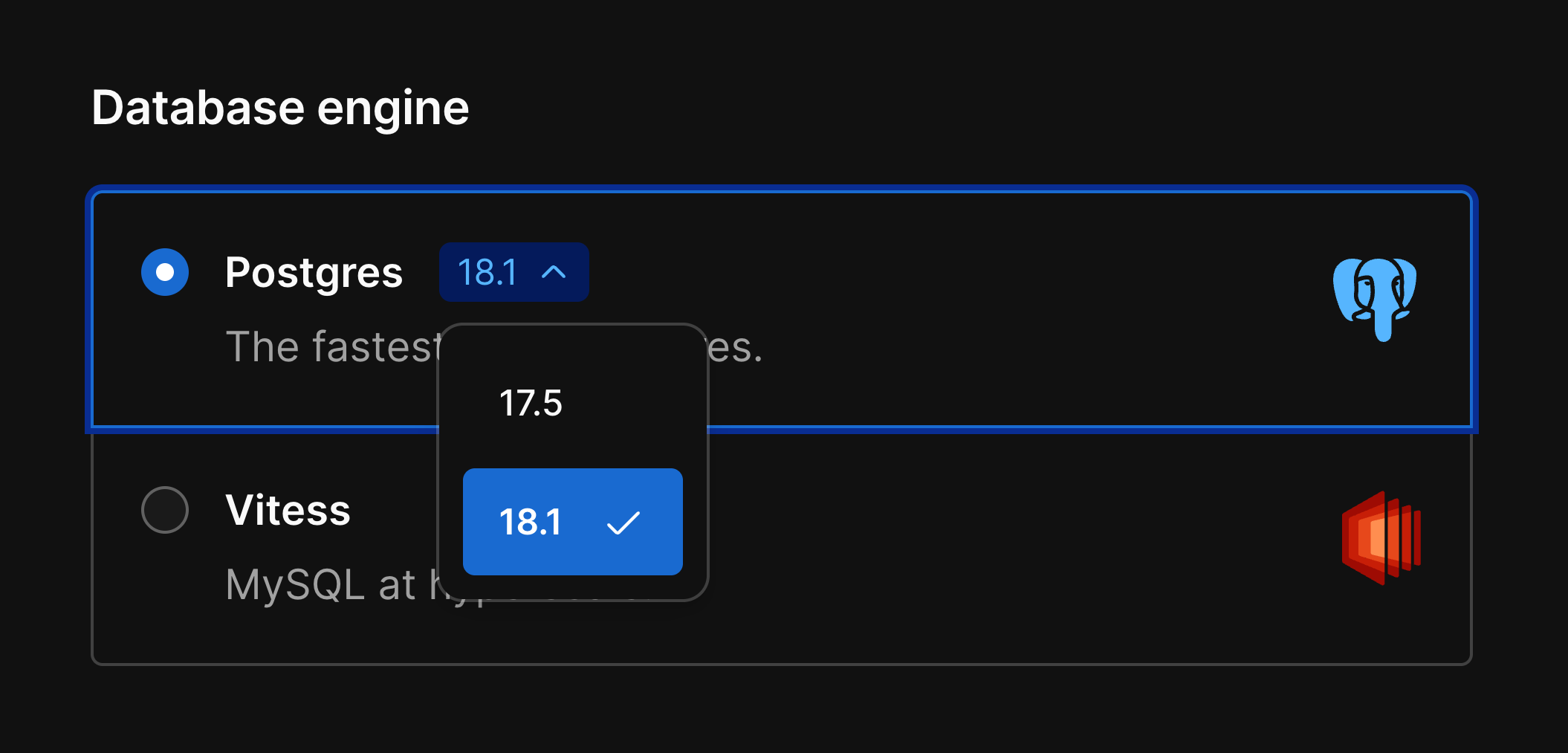
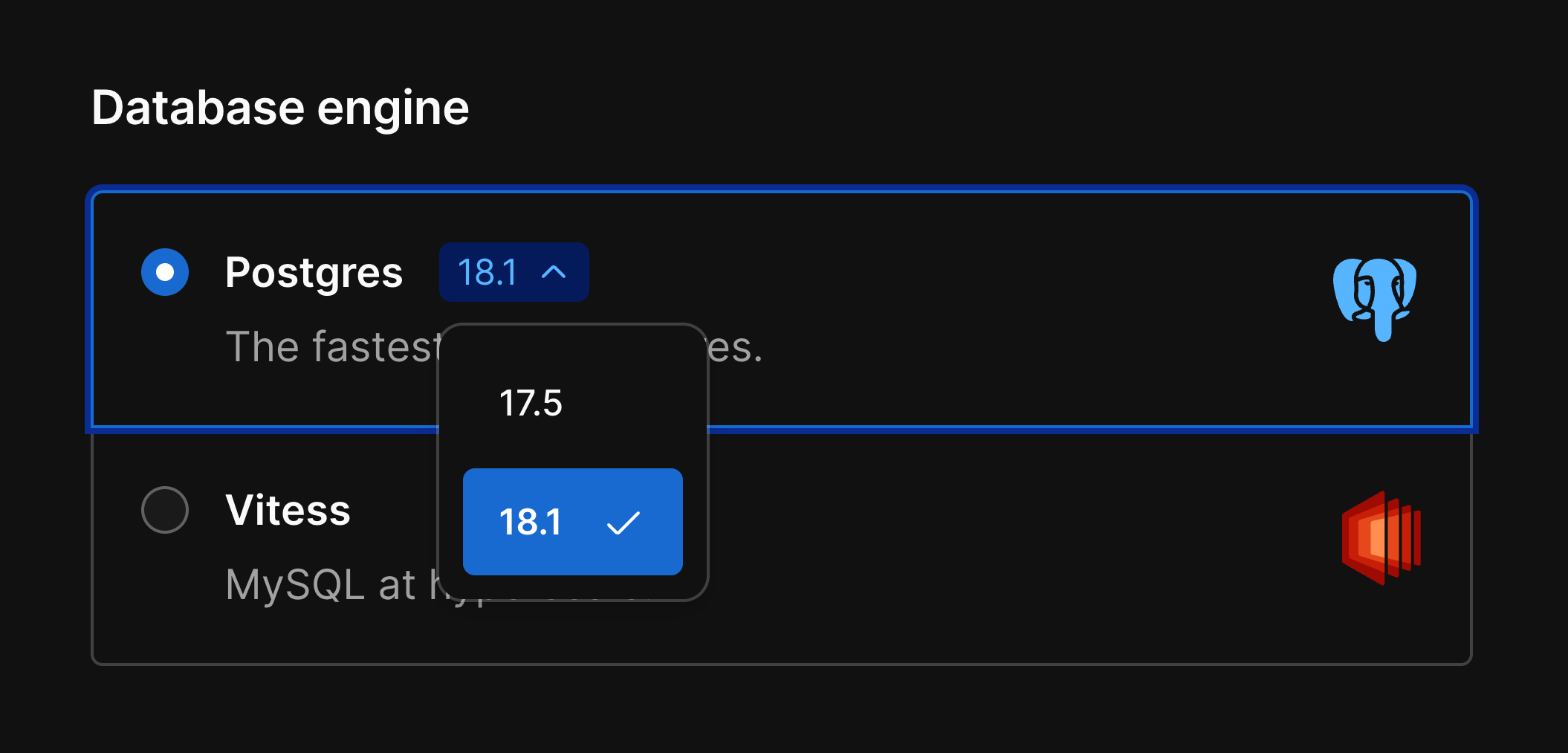
PlanetScale is a managed database platform that runs MySQL (Vitess) and Postgres on dedicated NVMe hardware with Git-style branching. It is fast, mature, and now finally Postgres-capable, but the $5+/month minimum and 2024 free-tier removal still hurt the community story.
PlanetScale is a fully managed database platform that pairs a Vitess-based MySQL service with a new Metal-powered Postgres offering, all wrapped in a developer experience built around Git-style branching and zero-downtime schema migrations. We rate it 82/100 — if you need serious database performance, branching workflows, and don't mind the $39/month minimum since the Hobby tier was retired, PlanetScale is the most polished managed Postgres or MySQL on the market.
PlanetScale is a managed database platform founded in 2018 by Jiten Vaidya and Sugu Sougoumarane, the two former YouTube engineers who created Vitess — the database scaling system that runs YouTube, Slack, Square, and GitHub internally. The company is led today by CEO Sam Lambert and is headquartered in San Francisco. PlanetScale started as a managed Vitess (sharded MySQL) cloud, opened to general availability in , and dramatically widened its scope on when it shipped PlanetScale for Postgres in general availability.
The specific problem PlanetScale solves is that running a high-performance OLTP database on a shared cloud node is brutal: noisy neighbors, network-attached storage I/O ceilings, and operational fire-drills around schema changes. PlanetScale's answer is two-pronged. First, PlanetScale Metal — databases that run on dedicated hosts with local NVMe drives, marketed as "unlimited I/O" because customers exhaust CPU long before they touch the disk ceiling. Second, a Git-flow branching model where every schema change is a deploy request that gets reviewed, tested, and shipped without locking the production table.
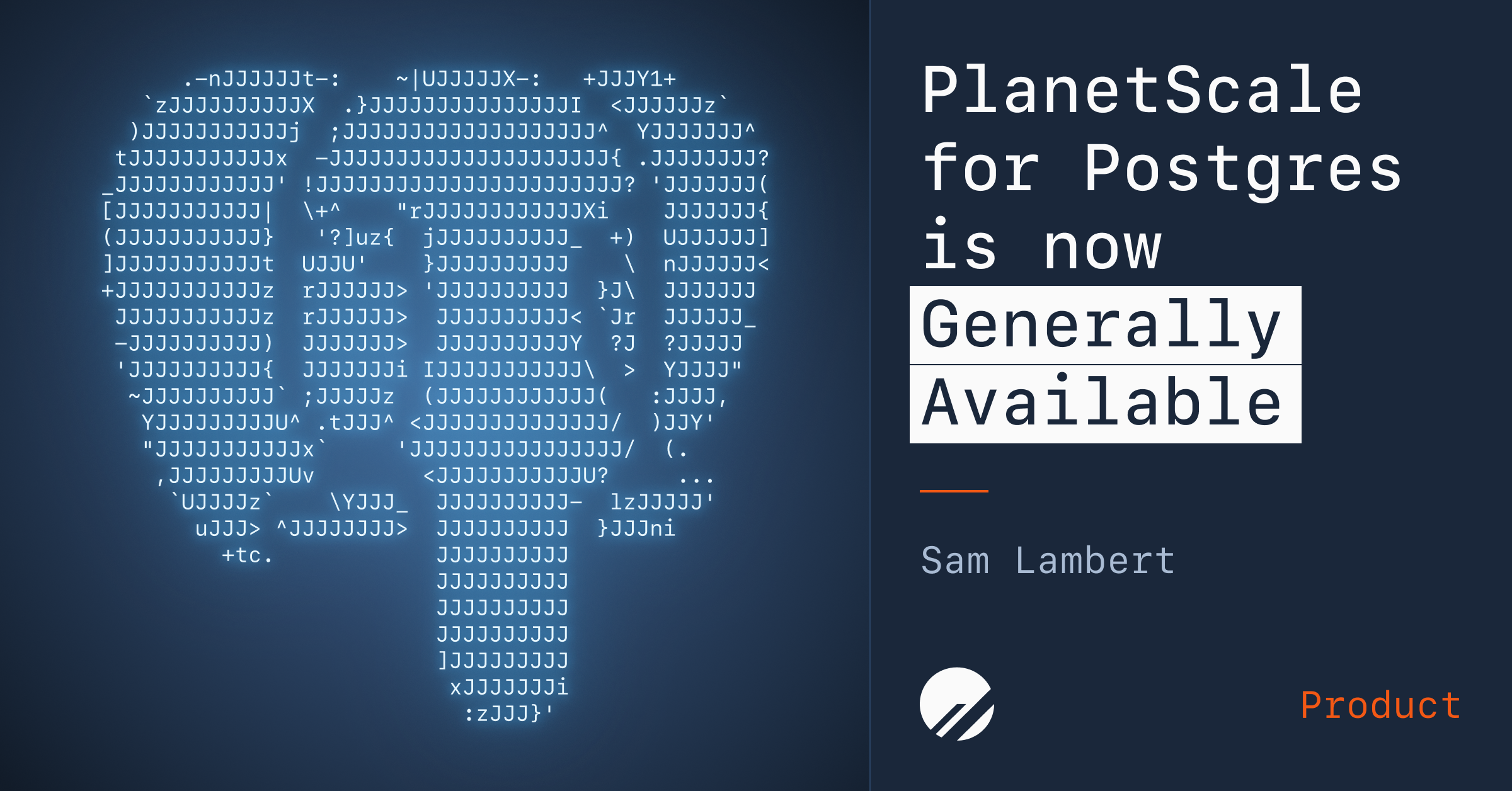
On Hacker News, the September 2025 Postgres GA thread surfaced strong technical praise — commenters who had run benchmarks called Metal "the first managed Postgres that doesn't get punished by I/O" — alongside lingering bitterness about the March 2024 removal of the free Hobby tier, which many bootstrappers and side-project builders never recovered from. On G2 the average rating sits around 4.6/5, with reviewers consistently calling out branching, deploy requests, and customer support; the recurring complaints are about row-read billing surprises (now mitigated by Database Traffic Control) and the entry-level price floor. Convex publicly migrated their entire production workload to PlanetScale for Postgres in a 2025 case study, and named customers include Cursor, Intercom, and Block.
PlanetScale split its plans by database type and resource model in 2025. There is no free production tier — Hobby was retired in March 2024 — but Postgres entry pricing was lowered to $5/month in late 2025.
| Plan | Price | Best For |
|---|---|---|
| Free trial | $0 (limited time) | Evaluating PlanetScale before committing |
| Postgres single | $5/month | Low-traffic Postgres production workloads |
| PS-5 (Vitess/Postgres) | $15/month | Standard production workloads |
| Metal HA | $50/month and up | High-performance, dedicated NVMe production |
| Enterprise | Custom | SSO, audit logging, dedicated support, PlanetScale Managed |
Best for: Series A through later-stage startups and engineering teams running production OLTP workloads where database performance is on the critical path, teams that value Git-style schema migration workflows, and any company that has outgrown shared-tenant Postgres on AWS RDS or Aurora.
Not ideal for: Hobbyists, side projects, and bootstrappers under $40/month database budgets — Neon or Supabase remain the right choice. Also a poor fit for teams that need analytical queries on the same primary, where a separate warehouse will serve better.
Pros:
Cons:
Neon — serverless Postgres with branching and a generous free tier, but built on networked storage; better for hobbyists and Vercel-shaped workloads. Supabase — open-source Postgres-plus-backend with auth, storage, and realtime baked in; broader scope but less raw database performance focus. AWS Aurora — the incumbent managed MySQL/Postgres on AWS; cheaper at small scale, slower at large scale, and missing branching entirely.
For production teams who care about p99 query latency and want a managed database with real branching workflows, PlanetScale is the most credible option in 2026 — and the Postgres GA closes the door on the "but I want Postgres" objection that defined the previous five years. We rate it 82/100: held back from a higher score only by the $39/month price floor that locks out hobbyists and the still-fresh memory of the Hobby tier removal. Pay the entry fee, run Metal, and you'll find very few managed databases that match it on speed.
ServiceNow and Accenture Launch Forward Deployed Engineering Program to Scale Agentic AI in the Enterprise (May 6, 2026)
At Knowledge 2026, ServiceNow and Accenture announced a joint forward deployed engineering program that drops co-located engineer pods into customer environments to ship agentic AI workflows natively on the ServiceNow AI Platform — with access to 300+ pre-built agent skills and the AI Control Tower as the governance backbone.
May 7, 2026
ReFiBuy Raises $13.6M Seed to Help Brands Get Recommended by AI Shopping Agents (May 5, 2026)
ReFiBuy, the Raleigh-based agentic commerce platform from ChannelAdvisor founder Scot Wingo, closed an oversubscribed $13.6M seed led by NewRoad Capital Partners on May 5, 2026 — betting that the next billion-dollar e-commerce moat is being chosen by ChatGPT, Claude and Perplexity.
May 7, 2026
OpenAI Replaces ChatGPT's Default Model With GPT-5.5 Instant — 52.5% Fewer Hallucinations, 30% Shorter Answers (May 5, 2026)
OpenAI on May 5 swapped GPT-5.3 Instant for the new GPT-5.5 Instant as ChatGPT's default model, claiming 52.5% fewer hallucinated claims on high-stakes prompts and 30% more concise answers. The model also rolls into the API as chat-latest and adds personalization from Gmail and past chats for Plus and Pro web users.
May 7, 2026
Is this product worth it?
Built With
Compare with other tools
Open Comparison Tool →