 Productivity
Raycast
Powerful macOS launcher and productivity platform — 7.3K GitHub stars for extensions
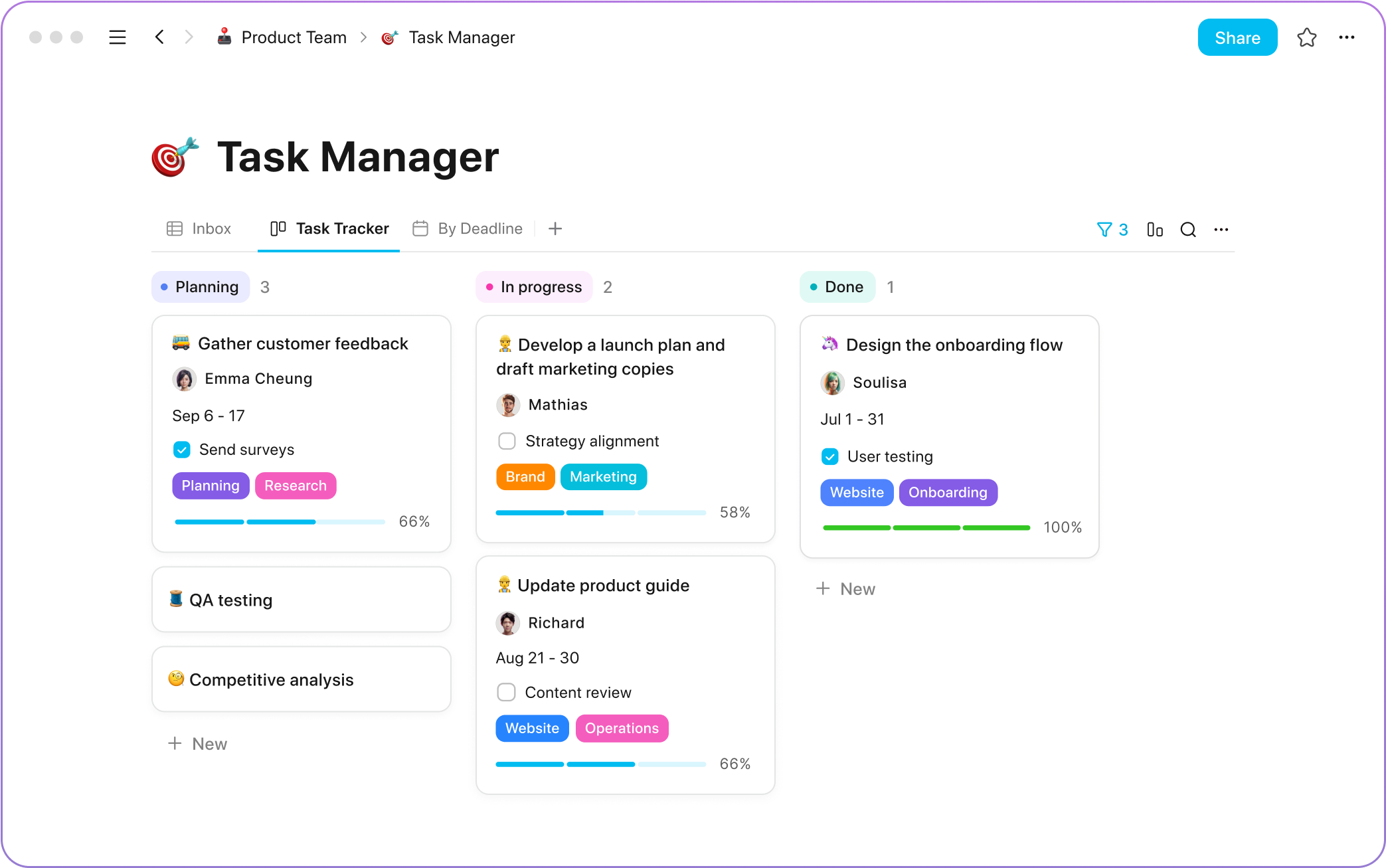
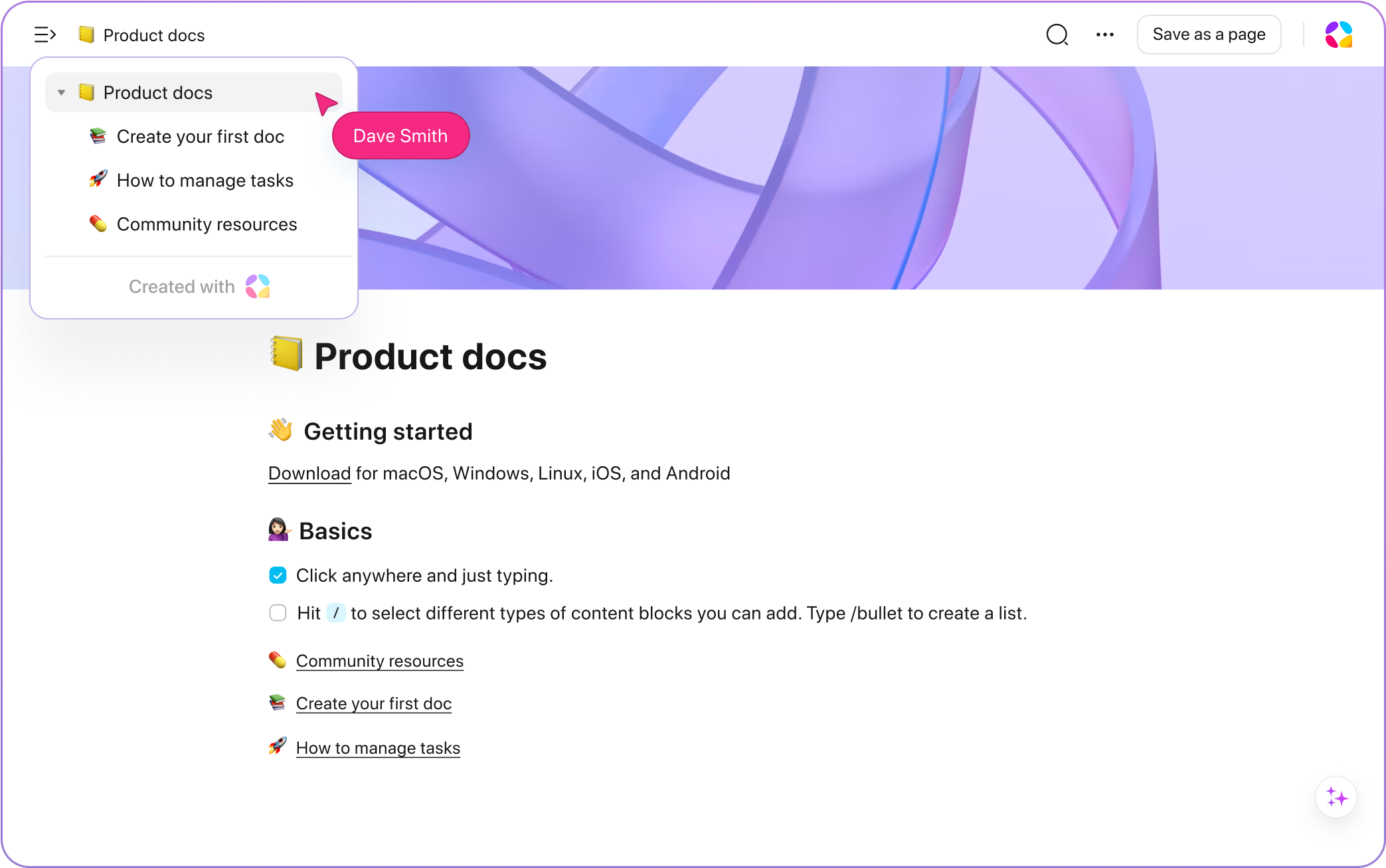
AppFlowy is the leading open-source Notion alternative — a Rust + Flutter workspace that stores your data locally, runs AI on-device, and ships a fully self-hostable server. Free forever for individuals, with Pro and AI MAX plans for teams that want managed cloud and the latest frontier models.
AppFlowy is an open-source, AI-native workspace that brings projects, wikis, and teams together without forcing your data onto someone else's servers. We rate it 84/100 — if you care about data sovereignty, offline-first work, or simply hate paying per-seat forever, AppFlowy is the most credible Notion alternative you can use in 2026.
AppFlowy is a collaborative workspace built in Rust and Flutter, founded by Anne Kerr, Vu Nguyen, and Annie Liu and first released as open source in . The project is licensed under AGPL-3.0, has crossed 69,800+ stars on GitHub as of April 2026, and is used internally by companies like Oracle, Mercadona, Telefónica, and Delivery Hero according to AppFlowy's own case studies.
The pitch is simple: give teams Notion-class documents, databases, kanban boards, calendars, and wikis — but keep the data on your device (or your own server) by default, add AI that can run entirely offline via Ollama, and never charge you for the features you already installed. Version 0.11.7 shipped on with a refreshed site builder, faster grid rendering, and deeper Llama 3 + Mistral 7B local-AI integration.
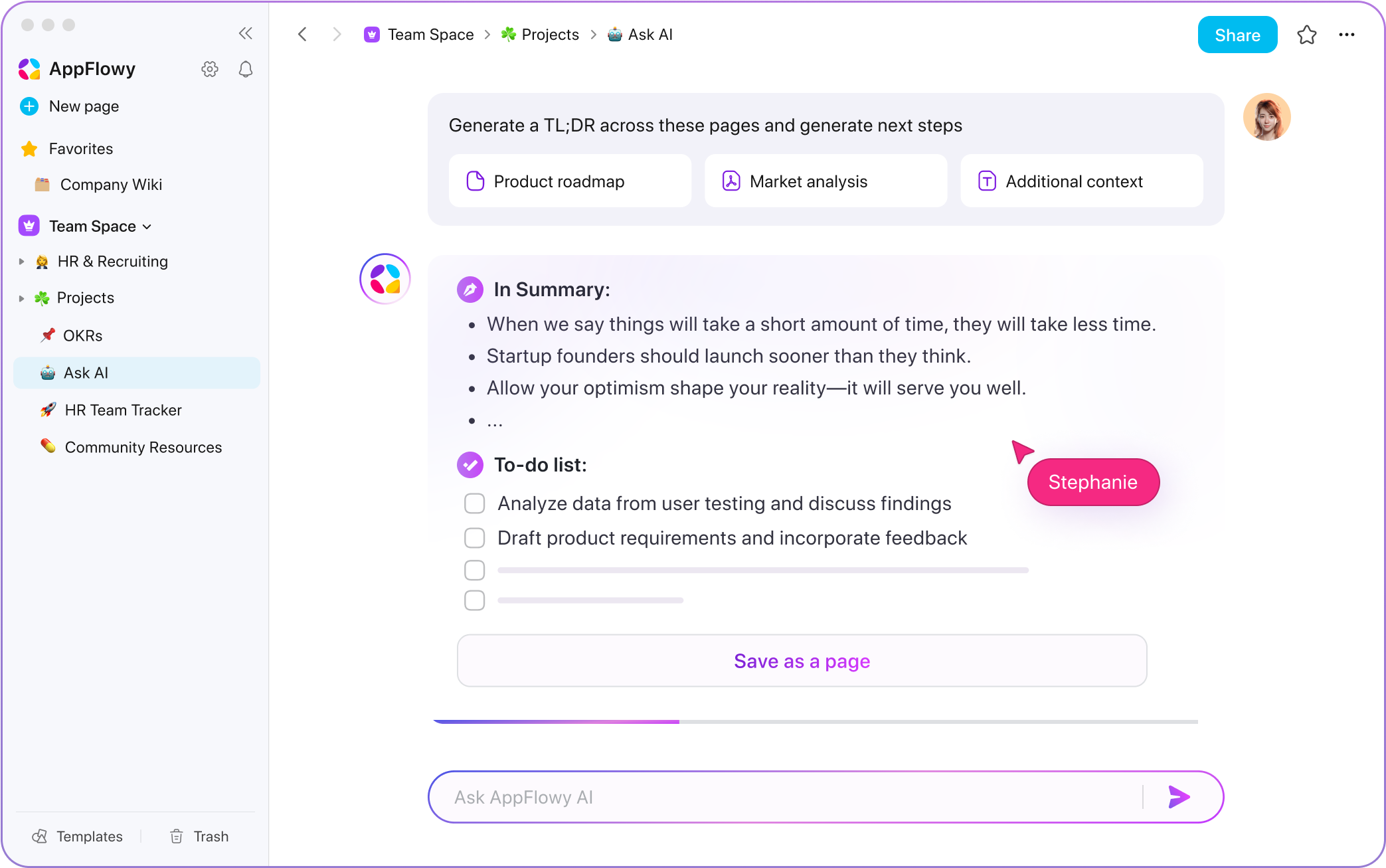
Feedback is genuinely mixed, and that's worth spelling out. On Hacker News, the long-running Show HN threads praise the clean UI, Rust foundation, and offline story, while top comments flag that AI features lagged Notion until the 2025–2026 releases caught up. On GitHub Discussion #665, long-time users call the UI one of the least cluttered in the category. On Reddit's r/selfhosted and r/opensource, the recurring complaint has been sync reliability on mobile — early 2025 releases dropped edits on spotty connections, though the 0.10.x and 0.11.x branches resolved most of this.
Capterra and SourceForge reviewers consistently praise the price ("free forever for what you need"), flexibility of the database views, and the self-hosting option, but note mobile polish and integration depth trail Notion. The positive signal: multiple reviewers explicitly say they migrated off Notion and didn't miss it once they accepted the smaller integration library.
AppFlowy keeps an aggressive free tier and prices team features well under Notion's equivalents. All paid plans save 25% when billed annually.
| Plan | Price | Key Limits |
|---|---|---|
| Free | $0 forever | Up to 2 members, 5 GB storage, 10 AI responses/month, unlimited pages |
| Pro | $10/user/month (annual) | Up to 50 members, 100 free guest editors, unlimited storage and AI responses |
| AI MAX (add-on) | $8/user/month | GPT-5, Gemini 2.5 Pro, Claude 3.7 Sonnet, 50 AI images/month |
| Vault | $6/user/month (annual) | Local AI on your own hardware, unlimited AI chat, fully offline-capable |
| Self-hosted | $0 | AGPL-3.0 build, unlimited everything, you run the infrastructure |
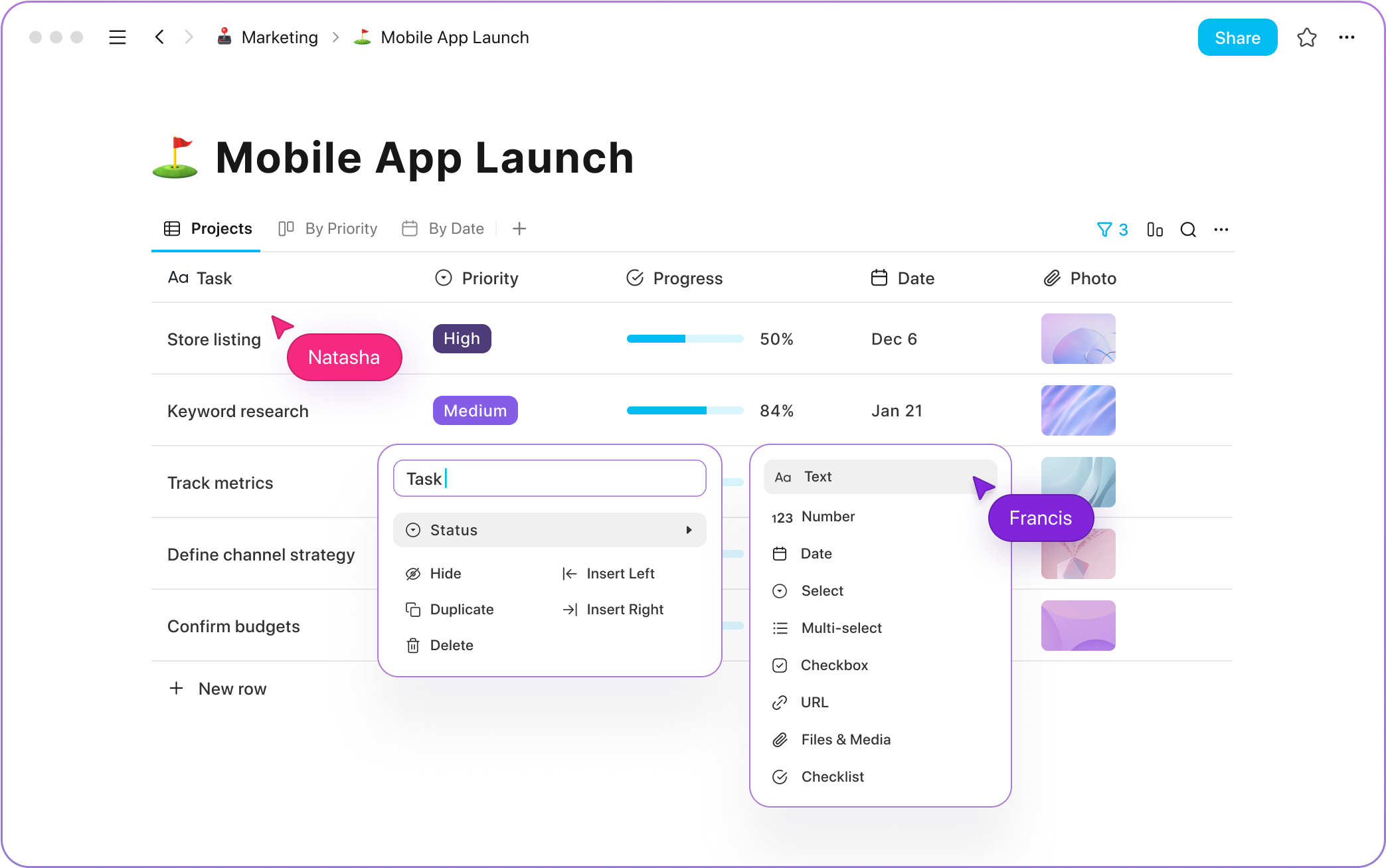
Best for: privacy-conscious individuals, small-to-mid teams tired of Notion's per-seat pricing, consultants and agencies who need to hand clients a self-hostable workspace, engineering teams that want a local-first knowledge base, and anyone in a regulated environment (healthcare, legal, EU public sector) where "where does the data live" is a blocking question.
Not ideal for: teams that rely on Notion's 100+ integrations (Slack, GitHub, Google Drive, Zapier), mobile-first workflows, or anyone who needs the polish of a finished consumer product right now — AppFlowy is visibly a few versions behind Notion on animation, onboarding, and template library depth.
Pros:
Cons:
The obvious comparison is Notion — more polished, better integrations, but closed-source and data lives on their servers. Logseq is the closest local-first alternative and better for pure knowledge-graph note-taking, but weaker on databases and team collaboration. Anytype is peer-to-peer and philosophically similar, but still in active beta as of 2026. For pure wikis, Outline (also open source) is more focused and polished, at the cost of losing AppFlowy's database and kanban features.
Yes — for the specific person who cares why it exists. If you are paying $10–$20 per user per month for Notion and what you actually use is docs, databases, and kanban boards, AppFlowy's self-hosted build gets you 85% of the functionality for $0 plus a server. If you want a managed experience, the Pro plan at $10/user/month is meaningfully cheaper than Notion Team + Notion AI once you add them together. The 84/100 rating reflects a product that is technically excellent, philosophically right for 2026, and still a version or two behind Notion on polish, integrations, and mobile. For most readers of this site, that trade-off is worth it.
ServiceNow and Accenture Launch Forward Deployed Engineering Program to Scale Agentic AI in the Enterprise (May 6, 2026)
At Knowledge 2026, ServiceNow and Accenture announced a joint forward deployed engineering program that drops co-located engineer pods into customer environments to ship agentic AI workflows natively on the ServiceNow AI Platform — with access to 300+ pre-built agent skills and the AI Control Tower as the governance backbone.
May 7, 2026
ReFiBuy Raises $13.6M Seed to Help Brands Get Recommended by AI Shopping Agents (May 5, 2026)
ReFiBuy, the Raleigh-based agentic commerce platform from ChannelAdvisor founder Scot Wingo, closed an oversubscribed $13.6M seed led by NewRoad Capital Partners on May 5, 2026 — betting that the next billion-dollar e-commerce moat is being chosen by ChatGPT, Claude and Perplexity.
May 7, 2026
OpenAI Replaces ChatGPT's Default Model With GPT-5.5 Instant — 52.5% Fewer Hallucinations, 30% Shorter Answers (May 5, 2026)
OpenAI on May 5 swapped GPT-5.3 Instant for the new GPT-5.5 Instant as ChatGPT's default model, claiming 52.5% fewer hallucinated claims on high-stakes prompts and 30% more concise answers. The model also rolls into the API as chat-latest and adds personalization from Gmail and past chats for Plus and Pro web users.
May 7, 2026
Is this product worth it?
Built With
Compare with other tools
Open Comparison Tool →