 Productivity
Raycast
Powerful macOS launcher and productivity platform — 7.3K GitHub stars for extensions
CleanShot X is a polished macOS screenshot, screen-recording, and annotation tool from Polish studio MTW. We tested it against the built-in macOS tooling and the leading alternatives — here is who it is for and where it falls short.
CleanShot X is a macOS-only screenshot, screen-recording, and annotation app built by Polish studio MTW. We rate it 88/100 — the right pick for designers, support engineers, and content creators who already screenshot dozens of times a day and want every capture to look intentional rather than thrown together.
CleanShot X is a single, native macOS app that replaces Cmd+Shift+4, QuickTime screen recording, and the small army of one-feature tools most Mac users cobble together. It first shipped publicly in , was rebuilt as “CleanShot X” in , and remains under active development by co-founders Paweł Magiera and Łukasz Osłizlo.
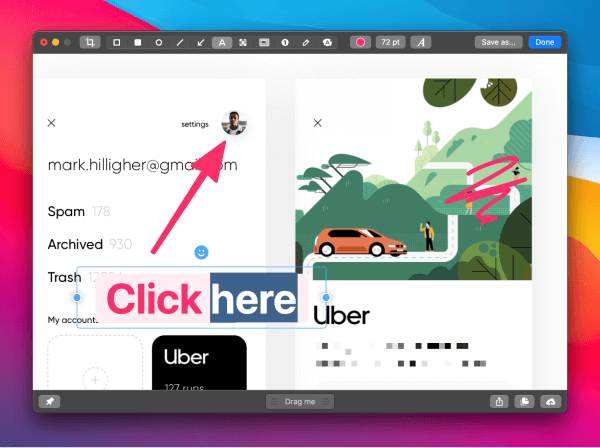
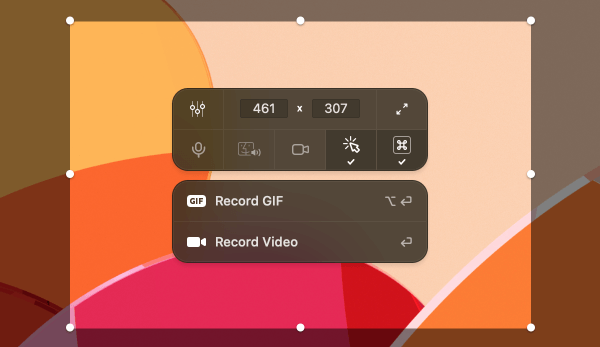
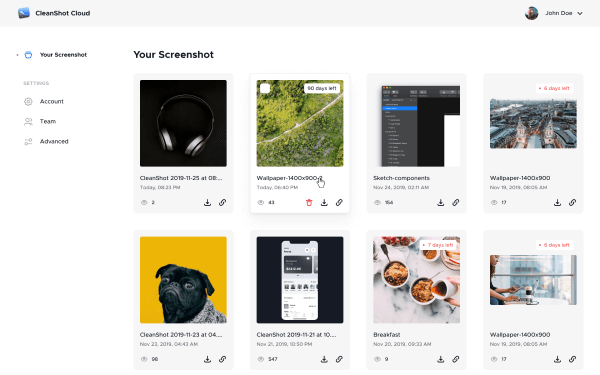
The pitch is concrete: take a screenshot, hide a messy desktop automatically, mark it up with shape and text tools that look like they belong in 2026, optionally upload it to CleanShot Cloud, and paste a shareable link into Slack — all without touching the Finder. Macworld and TechRadar have both repeatedly called it the best paid screenshot tool on macOS, and after weeks of daily use we agree on the verdict, with caveats.
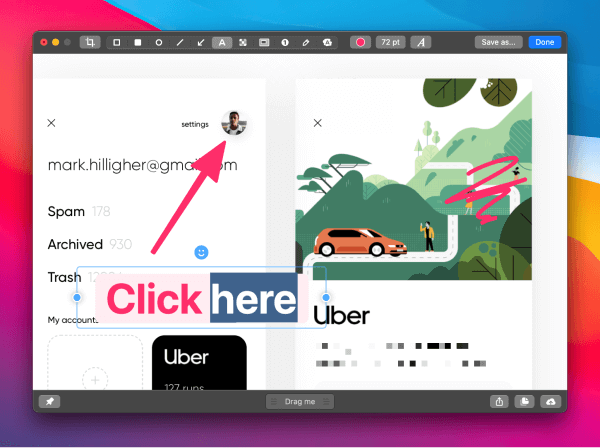
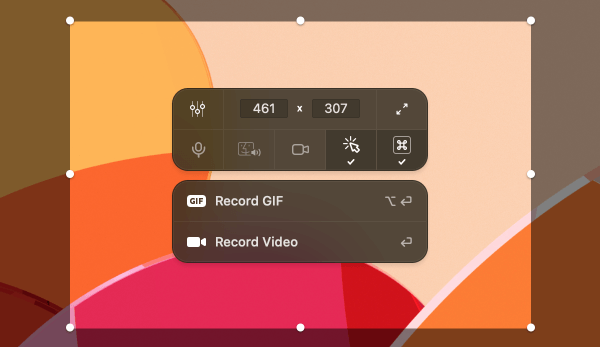
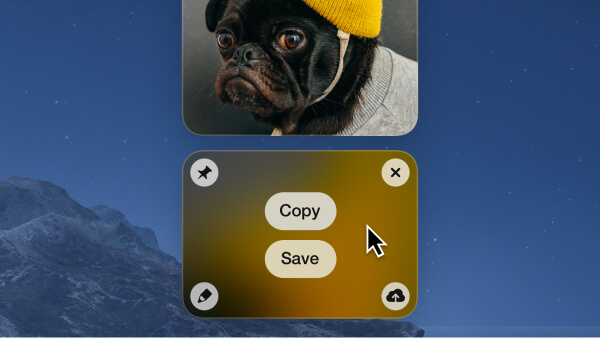
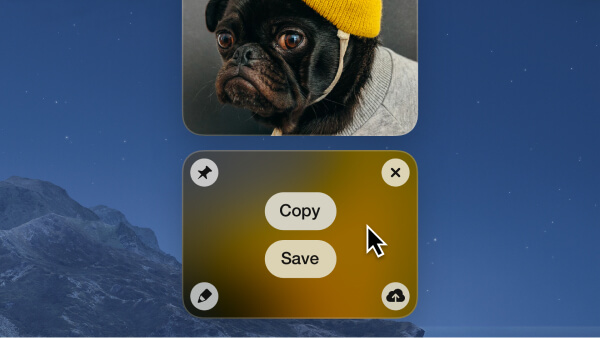
Sentiment is unusually positive for a paid utility. On Product Hunt the app maintains a 4.9 average across user reviews, and on Reddit’s r/macapps the recurring praise is workflow speed: regulars say they “forget how the system tools work” after a week. XDA Developers ran a feature in early 2026 calling it the screenshot tool the author uses daily, citing the floating thumbnails and the scrolling capture mode as the two features they cannot give up.
The recurring complaints are real. Subscription fatigue is the loudest: the Basic license is one-time at $29 with optional $19/year updates, but the Pro plan is now subscription-only. Several Reddit threads point out that videos saved to CleanShot Cloud are deleted after 24 hours by default until you flip a setting — a footgun that has cost users recordings. Designers also note that CleanShot X still has no pixel ruler, which keeps tools like Shottr and PixelSnap on a lot of Macs as a complement rather than a replacement. The 45 MB binary is heavy compared with Shottr’s 2 MB, and Windows users get nothing — there is no roadmap for a port.
CleanShot X uses a hybrid one-time-plus-subscription model. The Basic license is a single payment and yours forever; the Pro plan unlocks unlimited cloud and team features as a subscription.
| Plan | Price | Key Limits |
|---|---|---|
| App + Cloud Basic | $29 one-time (optional $19/year for further updates) | 1 GB CleanShot Cloud, single user, lifetime access to the app |
| App + Cloud Pro | $8/user/month annual or $10/user/month monthly | Unlimited cloud, custom domain and branding, SSO, team management, password-protected and self-destructing links |
| Setapp bundle | $9.99/month for 240+ apps | Includes a 7-day free trial — the only legitimate trial path for CleanShot X |
There is no free tier and no first-party trial of the standalone app, but MTW backs every direct sale with a 30-day money-back guarantee, and students get 30% off with a verified .edu email.
Best for: Designers, product managers, technical writers, customer-support engineers, and indie creators on macOS who screenshot many times an hour and need annotated, shareable images and screen recordings without leaving the keyboard.
Not ideal for: Casual users who only need a couple of screenshots a week (the built-in macOS tools are fine), pixel-precise UI designers who depend on a screen ruler, anyone who works on Windows or Linux full-time, and teams that refuse subscription pricing on principle — the Pro features are not available as a one-time buy.
Pros:
Cons:
If CleanShot X is not the right fit, the closest competitors are Shottr (a free-with-paid-tier Mac app that ships a pixel ruler and a tiny 2 MB binary), Xnapper (focused on beautiful screenshot framing for marketers and designers), and Screen Studio — covered in our Screen Studio review — for anyone whose primary use case is polished product demo videos rather than everyday captures. Loom remains a strong choice for async video updates if cloud-first sharing matters more than annotation depth.
Yes — for the audience above. If you screenshot or record more than a handful of times a day on a Mac, the $29 one-time license pays for itself in the first week through faster captures, automatic desktop hiding, and built-in annotation. The recurring complaints — cloud auto-delete defaults, the lack of a pixel ruler, and Pro features being subscription-only — are real but bounded. We rate it 88/100; it would be 92 with a ruler, a saner cloud retention default, and a one-time Pro upgrade.
ServiceNow and Accenture Launch Forward Deployed Engineering Program to Scale Agentic AI in the Enterprise (May 6, 2026)
At Knowledge 2026, ServiceNow and Accenture announced a joint forward deployed engineering program that drops co-located engineer pods into customer environments to ship agentic AI workflows natively on the ServiceNow AI Platform — with access to 300+ pre-built agent skills and the AI Control Tower as the governance backbone.
May 7, 2026
ReFiBuy Raises $13.6M Seed to Help Brands Get Recommended by AI Shopping Agents (May 5, 2026)
ReFiBuy, the Raleigh-based agentic commerce platform from ChannelAdvisor founder Scot Wingo, closed an oversubscribed $13.6M seed led by NewRoad Capital Partners on May 5, 2026 — betting that the next billion-dollar e-commerce moat is being chosen by ChatGPT, Claude and Perplexity.
May 7, 2026
OpenAI Replaces ChatGPT's Default Model With GPT-5.5 Instant — 52.5% Fewer Hallucinations, 30% Shorter Answers (May 5, 2026)
OpenAI on May 5 swapped GPT-5.3 Instant for the new GPT-5.5 Instant as ChatGPT's default model, claiming 52.5% fewer hallucinated claims on high-stakes prompts and 30% more concise answers. The model also rolls into the API as chat-latest and adds personalization from Gmail and past chats for Plus and Pro web users.
May 7, 2026
Is this product worth it?
Built With
Compare with other tools