 AI Tools
Aider
AI pair programming in your terminal—free, open-source, any LLM
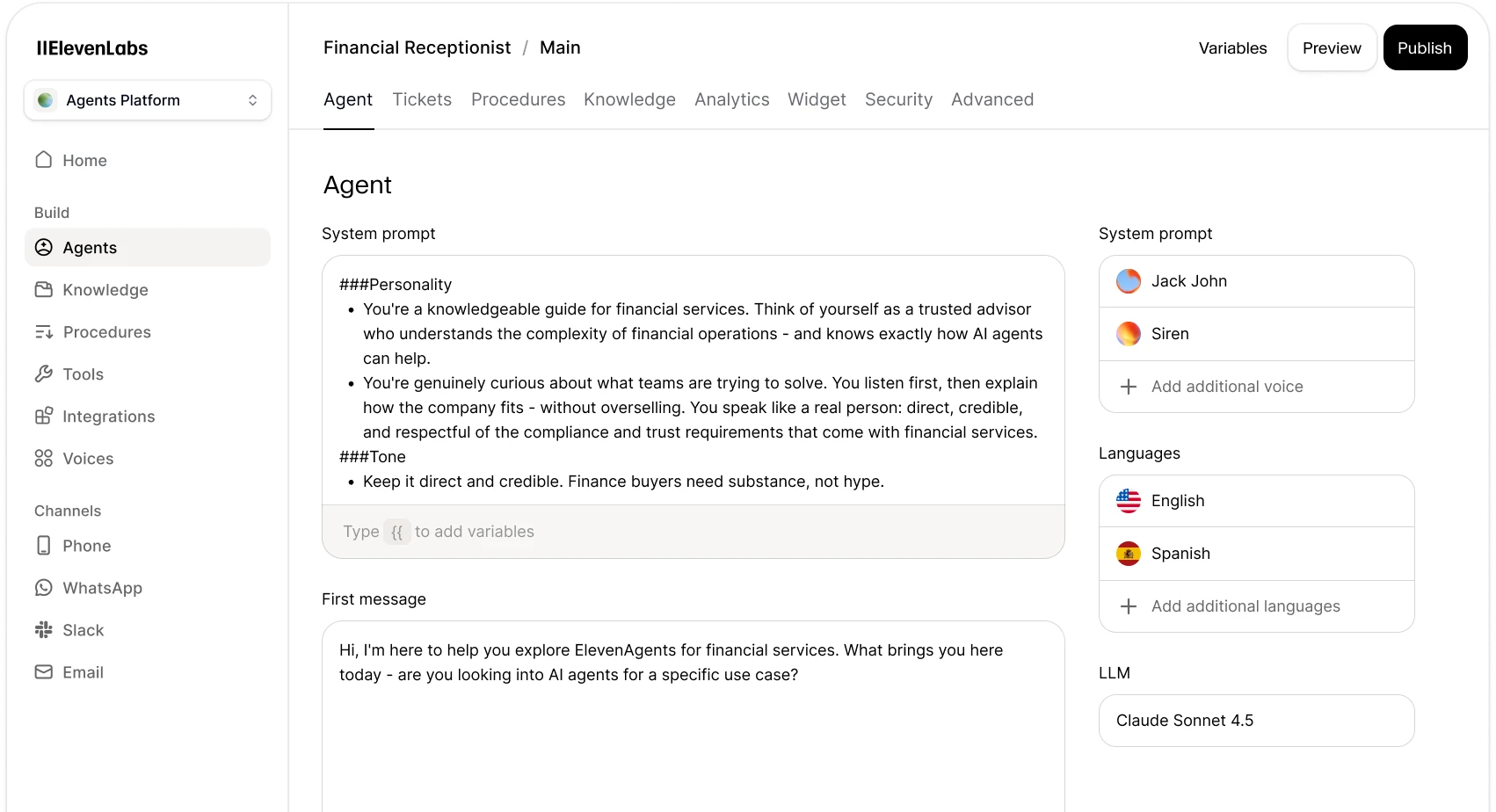
ElevenLabs is the leading AI voice platform, offering hyper-realistic text-to-speech, instant voice cloning, dubbing and conversational voice agents. We rate it 87/100 — the gold standard for voice realism, with usage costs that climb fast for long-form work.
ElevenLabs is the leading AI voice generation platform — hyper-realistic text-to-speech, instant and professional voice cloning, multilingual dubbing, and a full voice-agent stack on one API. We rate it 87/100 — the most realistic voice quality on the market, but credit pricing escalates quickly for serious long-form or agent workloads.
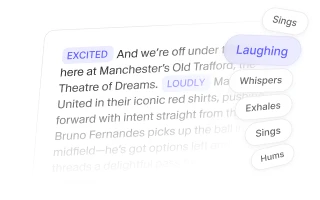
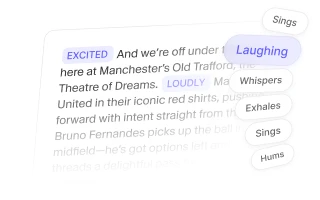
ElevenLabs was founded in by Mati Staniszewski (ex-Palantir) and Piotr Dąbkowski (ex-Google ML), with offices in London and New York. After raising a $500M Series D at an $11B valuation in , the company now sits among the most highly valued private AI labs in the world. Its flagship model, Eleven v3, is positioned as the most expressive text-to-speech engine available — supporting inline audio tags like [whispers], [sighs] and [shouts], multi-speaker dialogue, and the familiar 70+ language coverage.
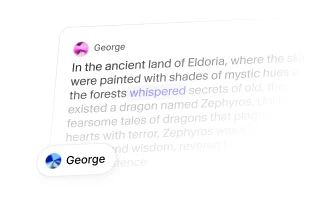
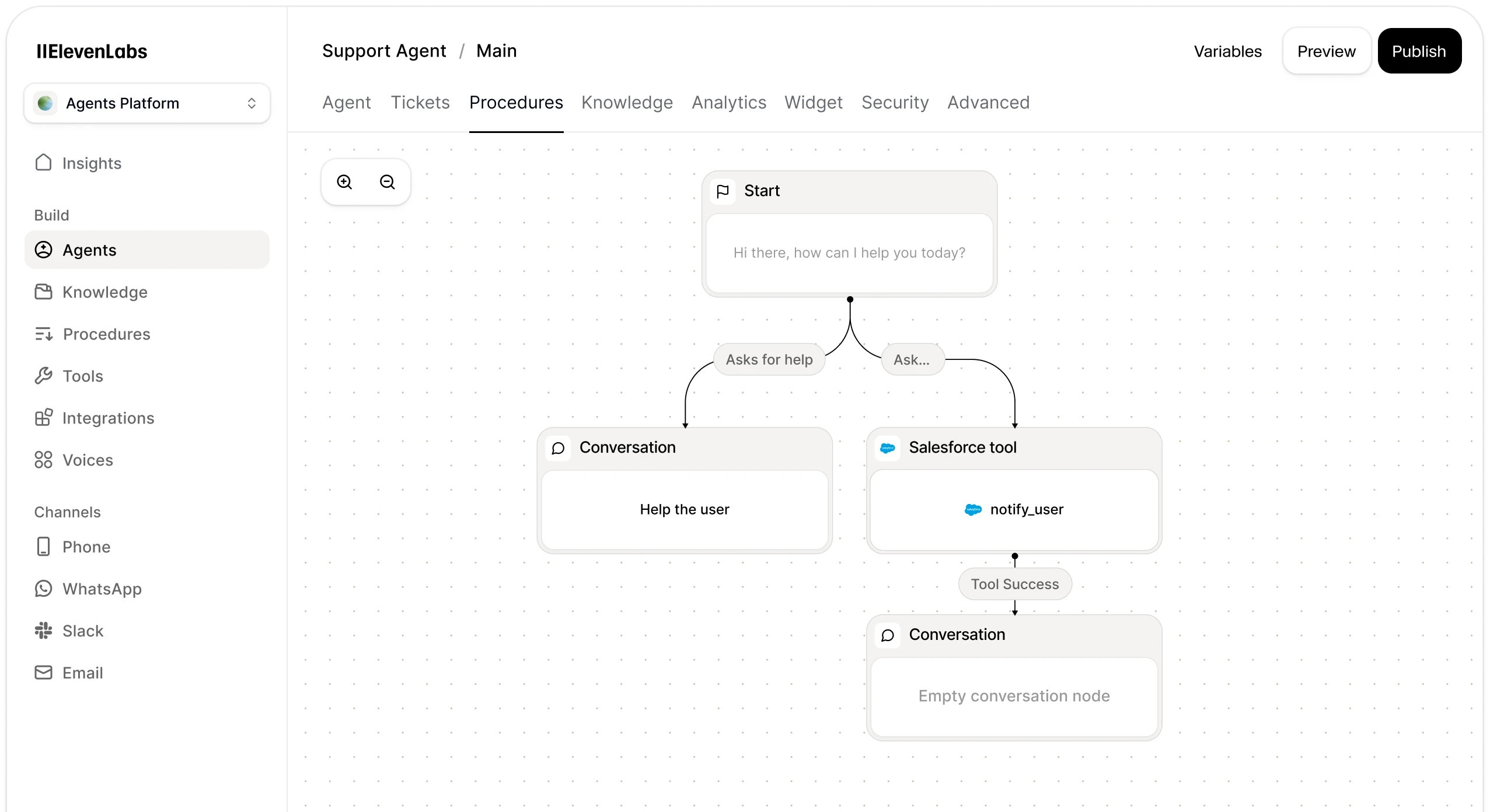
The platform now ships a library of more than 10,000 studio-quality voices, plus Conversational AI (rebranded ElevenAgents), Studio for long-form audiobooks and podcasts, AI Dubbing, Sound Effects, Music, and the ElevenReader mobile app. The throughline: replace voice actors, narrators, and dubbing studios with one API call.
elevenlabs) and JavaScript (@elevenlabs/elevenlabs-js) SDKs; model IDs eleven_v3, eleven_multilingual_v2, eleven_flash_v2_5, eleven_turbo_v2_5.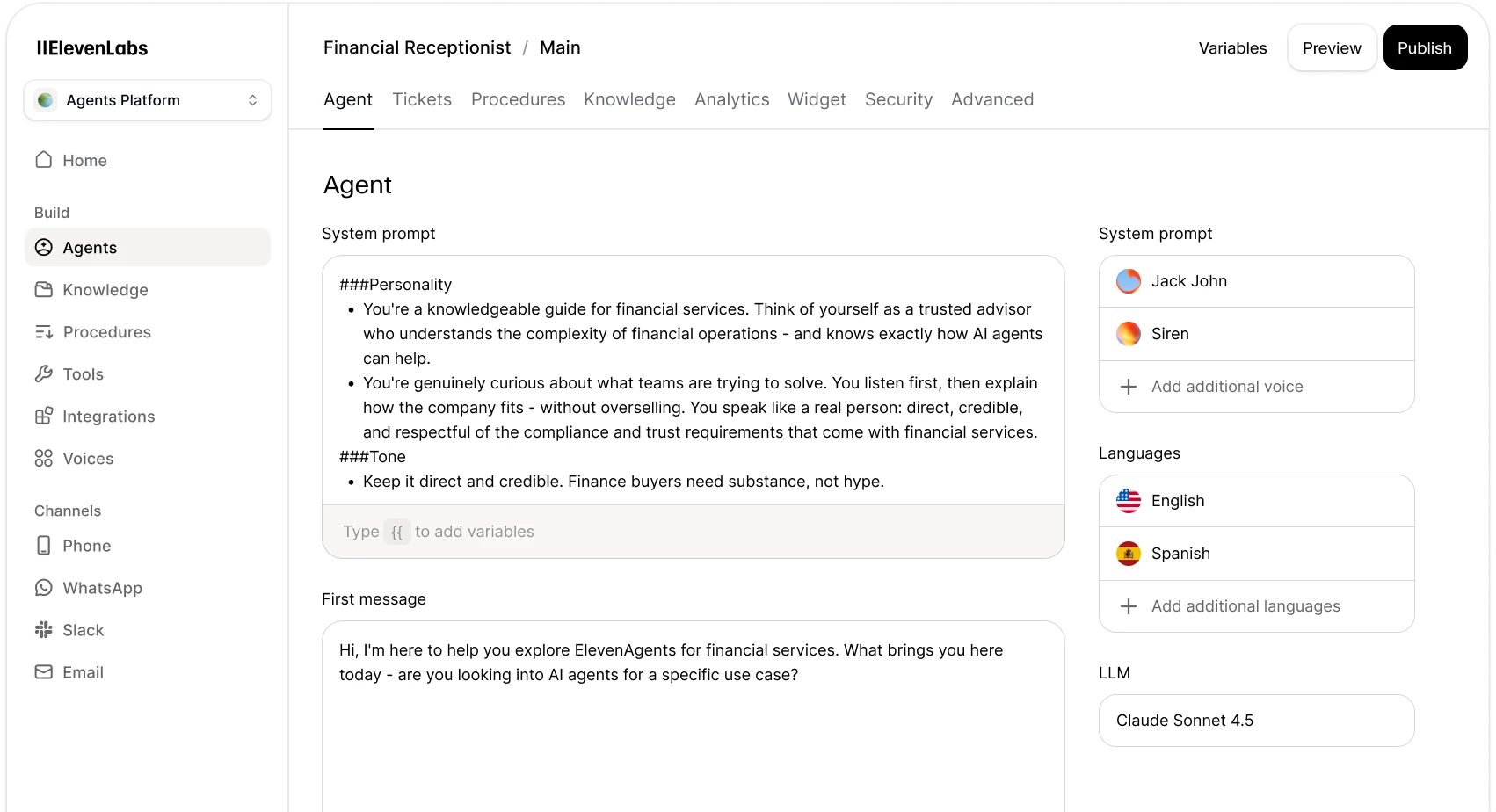
Public sentiment is overwhelmingly positive on raw voice quality and the speed of Instant Voice Cloning, but two complaints recur. The first is credit burn: independent reviews on qcall.ai and eesel AI report effective cost up to 2.8× the advertised per-character rate once retries, dubbing re-renders and high-quality voices are factored in — Creator-tier podcasters frequently exhaust 121,000 credits in days. The second is consistency on long-form: G2 and Trustpilot reviewers describe occasional accent drift, mid-sentence tone changes, and clones that only resemble the source 50–60% unless studio-grade samples are used. Hacker News threads on Eleven v3 praised the audio tags but flagged the same pricing tension and the 3× jump from Pro ($99) to Scale ($299) as a sore spot for solo creators.
Pricing is credit-based across seven tiers, billed monthly or annually. Long-form work and Professional Voice Cloning push you into Creator or higher quickly.
| Plan | Price | Credits / Limits |
|---|---|---|
| Free | $0/mo | 10,000 credits, 3 Studio projects, no commercial license |
| Starter | $6/mo | 30,000 credits, commercial license, Instant Voice Cloning, Dubbing Studio |
| Creator | $22/mo (50% off month 1 = $11) | 121,000 credits, Professional Voice Cloning |
| Pro | $99/mo | 600,000 credits, 192kbps audio, 44.1kHz PCM via API |
| Scale | $299/mo | 1.8M credits, 3 seats, 3 Professional Voice Clones |
| Business | $990/mo | 6M credits, 10 seats, low-latency TTS as low as 5¢/min |
| Enterprise | Custom | SSO, BAA/HIPAA, SLAs, managed Productions dubbing |
Best for: indie audiobook narrators, podcasters needing a backup voice, YouTubers dubbing into other languages, customer-support teams building voice agents, and any developer who needs sub-100ms TTS in production.
Not ideal for: teams on a tight credit budget who churn through millions of characters a month — cost models at OpenAI TTS or Cartesia can be cheaper at scale. Also a poor fit if you need on-prem deployment; ElevenLabs is cloud-only outside Enterprise.
Pros:
Cons:
Cartesia ships Sonic, a sub-100ms TTS aimed squarely at real-time voice agents — cheaper and faster, with fewer voices. PlayHT is a popular long-form alternative with a deep voice library at lower per-character rates. OpenAI TTS (tts-1 and gpt-4o-mini-tts) is the cheapest API option but offers no voice cloning. For enterprise voice cloning with stricter governance, Resemble AI is the closest direct competitor.
Yes — if voice quality is the deciding factor, ElevenLabs is the clear leader and earns its 87/100. Eleven v3 sets the bar for expressive AI speech, the Voice Library is unmatched, and ElevenAgents has matured into a production-grade voice-agent stack. The reservations are real but narrow: budget creators feel the credit ceiling, and high-volume API users will eventually find OpenAI or Cartesia cheaper at scale. For everyone else — narrators, dubbing studios, support teams, indie devs — it is the default choice in .
ServiceNow and Accenture Launch Forward Deployed Engineering Program to Scale Agentic AI in the Enterprise (May 6, 2026)
At Knowledge 2026, ServiceNow and Accenture announced a joint forward deployed engineering program that drops co-located engineer pods into customer environments to ship agentic AI workflows natively on the ServiceNow AI Platform — with access to 300+ pre-built agent skills and the AI Control Tower as the governance backbone.
May 7, 2026
ReFiBuy Raises $13.6M Seed to Help Brands Get Recommended by AI Shopping Agents (May 5, 2026)
ReFiBuy, the Raleigh-based agentic commerce platform from ChannelAdvisor founder Scot Wingo, closed an oversubscribed $13.6M seed led by NewRoad Capital Partners on May 5, 2026 — betting that the next billion-dollar e-commerce moat is being chosen by ChatGPT, Claude and Perplexity.
May 7, 2026
OpenAI Replaces ChatGPT's Default Model With GPT-5.5 Instant — 52.5% Fewer Hallucinations, 30% Shorter Answers (May 5, 2026)
OpenAI on May 5 swapped GPT-5.3 Instant for the new GPT-5.5 Instant as ChatGPT's default model, claiming 52.5% fewer hallucinated claims on high-stakes prompts and 30% more concise answers. The model also rolls into the API as chat-latest and adds personalization from Gmail and past chats for Plus and Pro web users.
May 7, 2026
Is this product worth it?
Built With
Compare with other tools
Open Comparison Tool →