 Developer Tools
Templ
Type-safe HTML templating language for Go with compile-time safety
Maestro is the open-source, YAML-driven UI testing framework that gives you a working flow for iOS, Android, or the web in under five minutes — and a paid device cloud when you need to run them at scale.
Maestro is an open-source, YAML-driven UI testing framework for iOS, Android, React Native, Flutter, and the web — built and maintained by mobile.dev (San Francisco). The CLI, the Maestro Studio IDE, and Maestro GPT are completely free; a paid Maestro Cloud runs your flows on managed devices when you outgrow your laptop. We rate it 87/100 — the most approachable mobile E2E framework on the market, with a cloud price tag that gets steep once you go past one or two devices.
Maestro was created by Leland Takamine (CEO) and Jacob Krupski (COO) at mobile.dev, a San Francisco company that raised a $3M seed round led by Cowboy Ventures and Essence VC in July 2021. The framework was first published as an open-source project on and is licensed under Apache 2.0. The repository at github.com/mobile-dev-inc/maestro currently sits at 13,765 stars and 803 forks, and the latest stable release as of is CLI 2.5.0, which lands a hardened MCP server (Claude Desktop and Cursor can now drive Maestro flows directly), a streamlined cloud upload pipeline, and a refreshed iOS XCTest runner.
The product solves a very specific testing pain: writing reliable end-to-end tests for native and hybrid mobile apps has historically meant fighting Appium WebDriver flakiness or learning two completely separate stacks (XCTest on iOS, Espresso on Android). Maestro replaces all of that with a single YAML file and an interpreted runner — no compilation, no boilerplate, no per-platform code.
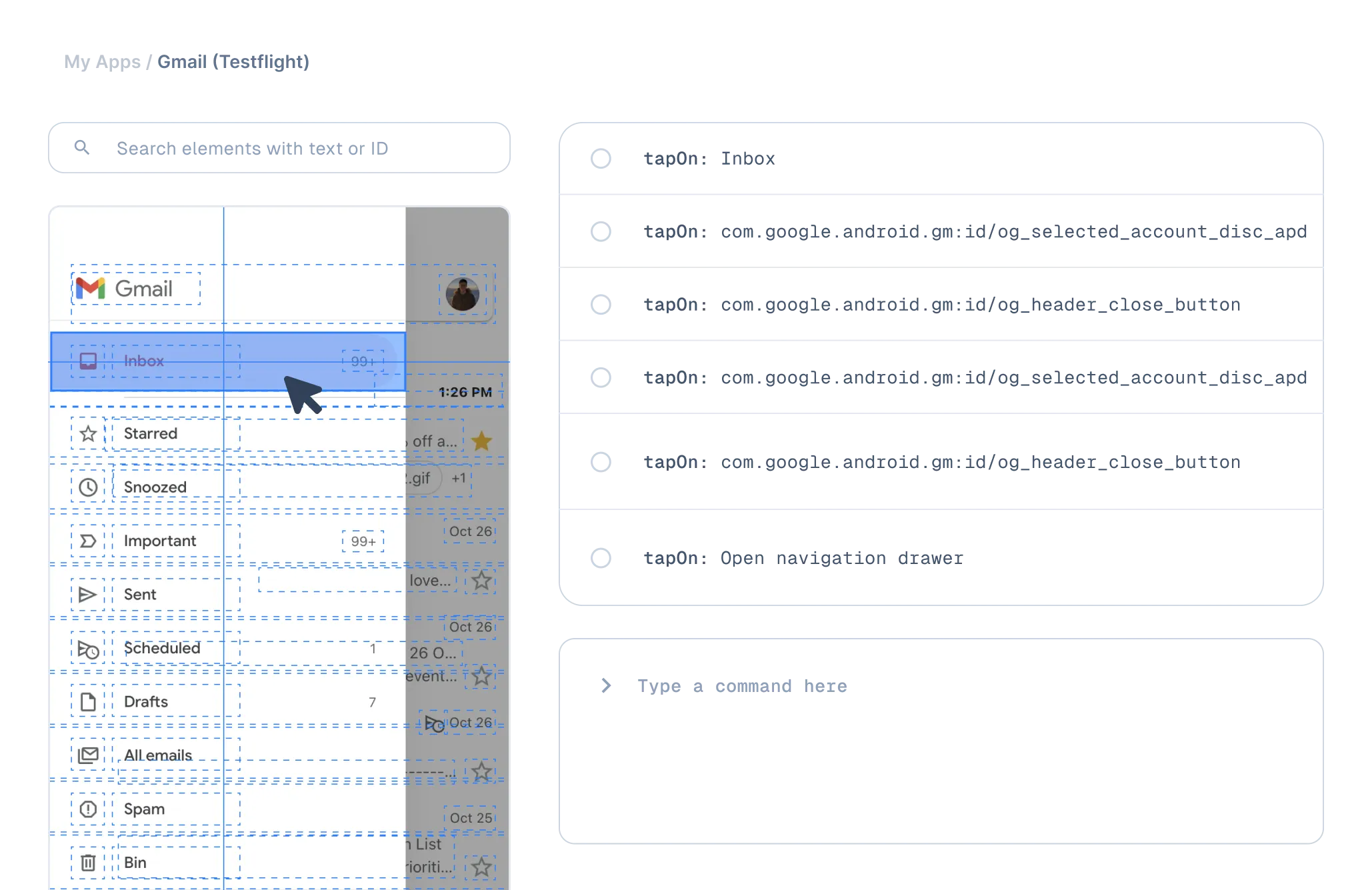
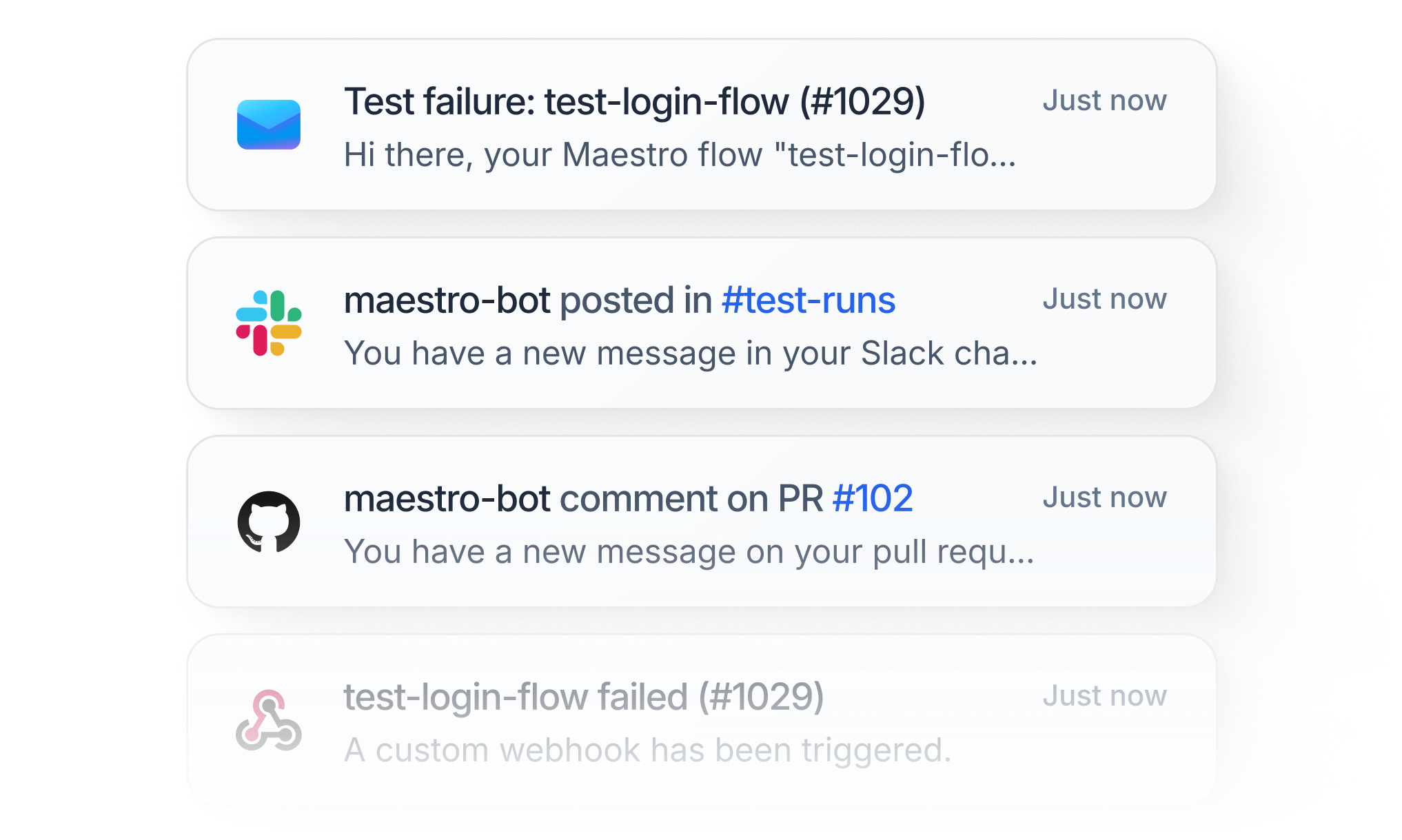
tapOn: "Sign in" command works across all of them with no platform-specific glue.assertWithAI command can verify visual states described in natural language.curl -fsSL "https://get.maestro.mobile.dev" | bash — installs the CLI on macOS, Linux, and WSL. The first tapOn/assertVisible flow takes well under five minutes from cold install.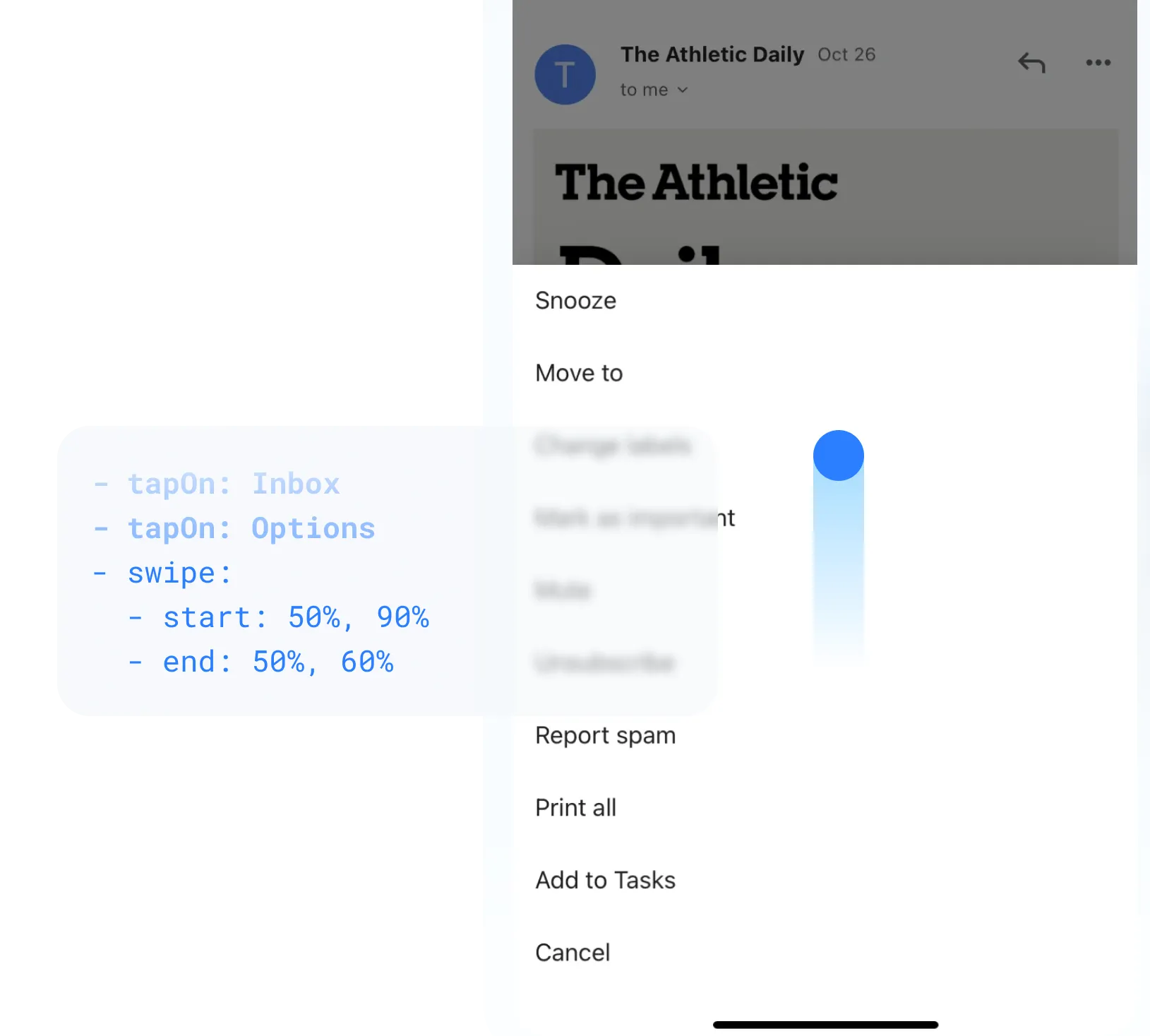
Maestro consistently lands in the top tier of mobile testing frameworks on G2, Capterra, and developer-led comparisons. The most-quoted praise across r/reactnative, Hacker News, and the official Slack is the speed of authoring: tests that took days to write in Appium or Detox are routinely rebuilt in Maestro in a single afternoon. Open-source teams highlight that Studio — including the AI-powered Maestro GPT — is free, which dramatically lowers the barrier to entry for QA-light teams. Customer logos on the homepage include Microsoft, Meta, Amazon, DoorDash, Atlassian, Brex, Skyscanner, Komoot, GoodRx, FlightRadar24, Phantom, Kraken, Blockchain.com, DuckDuckGo, and xAI.
The recurring complaints are honest and worth knowing. Cloud pricing — $250/device/month for iOS or Android — is the single most common gripe in Reddit threads and on Hacker News, especially compared to BrowserStack-style usage-based plans. Some testID-based selectors do not always resolve reliably for elements rendered by third-party React Native libraries, forcing teams into positional taps that brittle the suite. And while the basics are trivial, advanced patterns — data-driven tests, complex JavaScript helpers, custom output collectors — are still under-documented, with answers scattered across GitHub Discussions and the Slack channel.
Maestro is freemium. The CLI, Maestro Studio, Maestro GPT, the Slack bot, and every AI command are 100% free, even for commercial use — the framework itself is Apache 2.0 on GitHub. Maestro Cloud is the paid layer that runs your flows on hosted, parallel devices.
| Plan | Price | Key Limits |
|---|---|---|
| Local (Open Source) | $0 forever | CLI, Studio, AI commands, Maestro GPT, Slack bot, unlimited local runs |
| Cloud — iOS device | $250 / device / month | One concurrent iOS run; unlimited test executions |
| Cloud — Android device | $250 / device / month | One concurrent Android run; unlimited test executions |
| Cloud — Web browser | $125 / browser / month | One concurrent browser run; unlimited test executions |
| Enterprise | Contact sales | SSO, dedicated support, managed test cases, custom contracts, security review |
A free Maestro Cloud trial is available with no credit card required, and mobile.dev publishes free licenses for verified open-source projects.
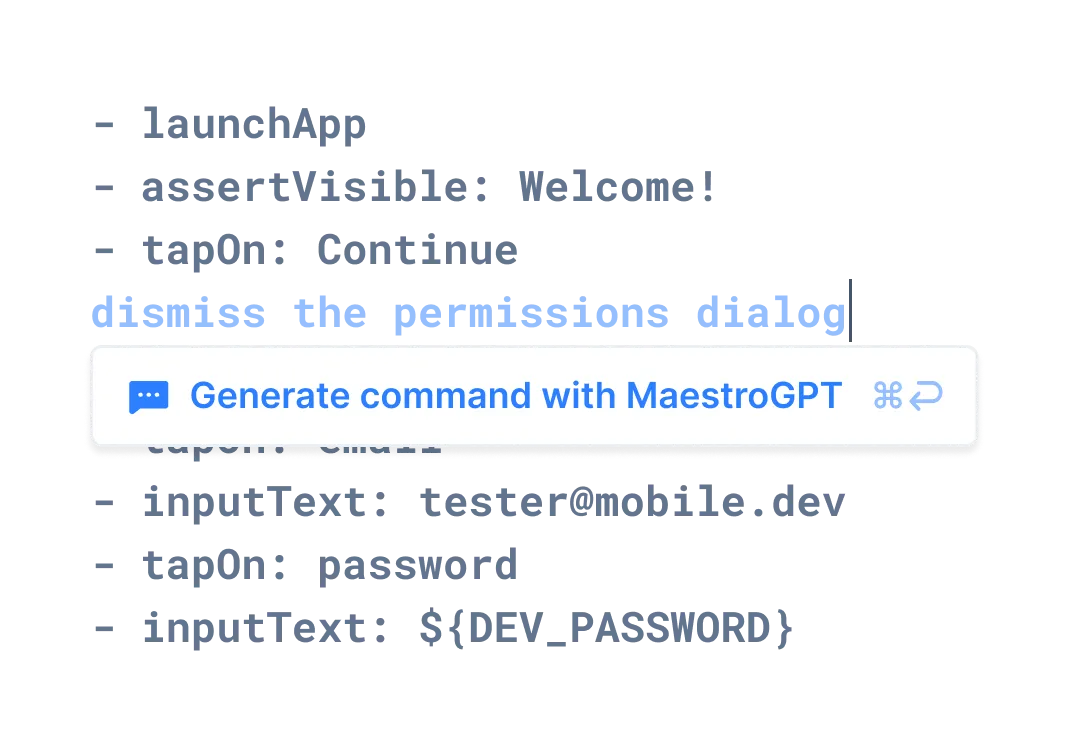
Best for: mobile-first product teams (React Native, Flutter, native iOS/Android), startups that need cross-platform E2E coverage without staffing a dedicated SDET team, and any QA engineer who has lost a week to Appium flakiness and never wants to do it again.
Not ideal for: teams with a deep, mature Appium or XCUITest investment that already runs reliably; pure-web shops who can get more for less from Playwright or Cypress; and budget-constrained teams that want pay-per-minute device cloud pricing — Maestro Cloud's flat per-device-month model gets expensive past a couple of parallel devices.
Pros:
Cons:
Mockoon is not a competitor — it's the API mocking companion you'll likely run alongside Maestro. The real alternatives are Appium (more flexible, far more complex, much flakier out of the box), Detox (excellent for React Native, weaker for native iOS/Android), XCUITest + Espresso (Apple/Google native frameworks — powerful but two stacks to maintain), and Playwright (the right pick if you only need web E2E). For mobile-first teams that want one tool, Maestro wins on time-to-first-test by a wide margin.
Yes — for the local tier, it's almost a no-brainer. Maestro Studio plus the Apache-2.0 CLI is the easiest, most pleasant mobile UI testing experience we've used, and the AI-assisted authoring is genuinely useful, not a gimmick. Maestro Cloud is more situational: if you only need one or two parallel devices to gate PRs, $250–$500/month is fair. Past that, do the math against pay-per-minute device clouds before you commit. Our final score is 87/100 — very good, with cloud pricing being the one thing keeping it out of the outstanding tier.
ServiceNow and Accenture Launch Forward Deployed Engineering Program to Scale Agentic AI in the Enterprise (May 6, 2026)
At Knowledge 2026, ServiceNow and Accenture announced a joint forward deployed engineering program that drops co-located engineer pods into customer environments to ship agentic AI workflows natively on the ServiceNow AI Platform — with access to 300+ pre-built agent skills and the AI Control Tower as the governance backbone.
May 7, 2026
ReFiBuy Raises $13.6M Seed to Help Brands Get Recommended by AI Shopping Agents (May 5, 2026)
ReFiBuy, the Raleigh-based agentic commerce platform from ChannelAdvisor founder Scot Wingo, closed an oversubscribed $13.6M seed led by NewRoad Capital Partners on May 5, 2026 — betting that the next billion-dollar e-commerce moat is being chosen by ChatGPT, Claude and Perplexity.
May 7, 2026
OpenAI Replaces ChatGPT's Default Model With GPT-5.5 Instant — 52.5% Fewer Hallucinations, 30% Shorter Answers (May 5, 2026)
OpenAI on May 5 swapped GPT-5.3 Instant for the new GPT-5.5 Instant as ChatGPT's default model, claiming 52.5% fewer hallucinated claims on high-stakes prompts and 30% more concise answers. The model also rolls into the API as chat-latest and adds personalization from Gmail and past chats for Plus and Pro web users.
May 7, 2026
Is this product worth it?
Built With
Compare with other tools
Open Comparison Tool →