 Productivity
Raycast
Powerful macOS launcher and productivity platform — 7.3K GitHub stars for extensions
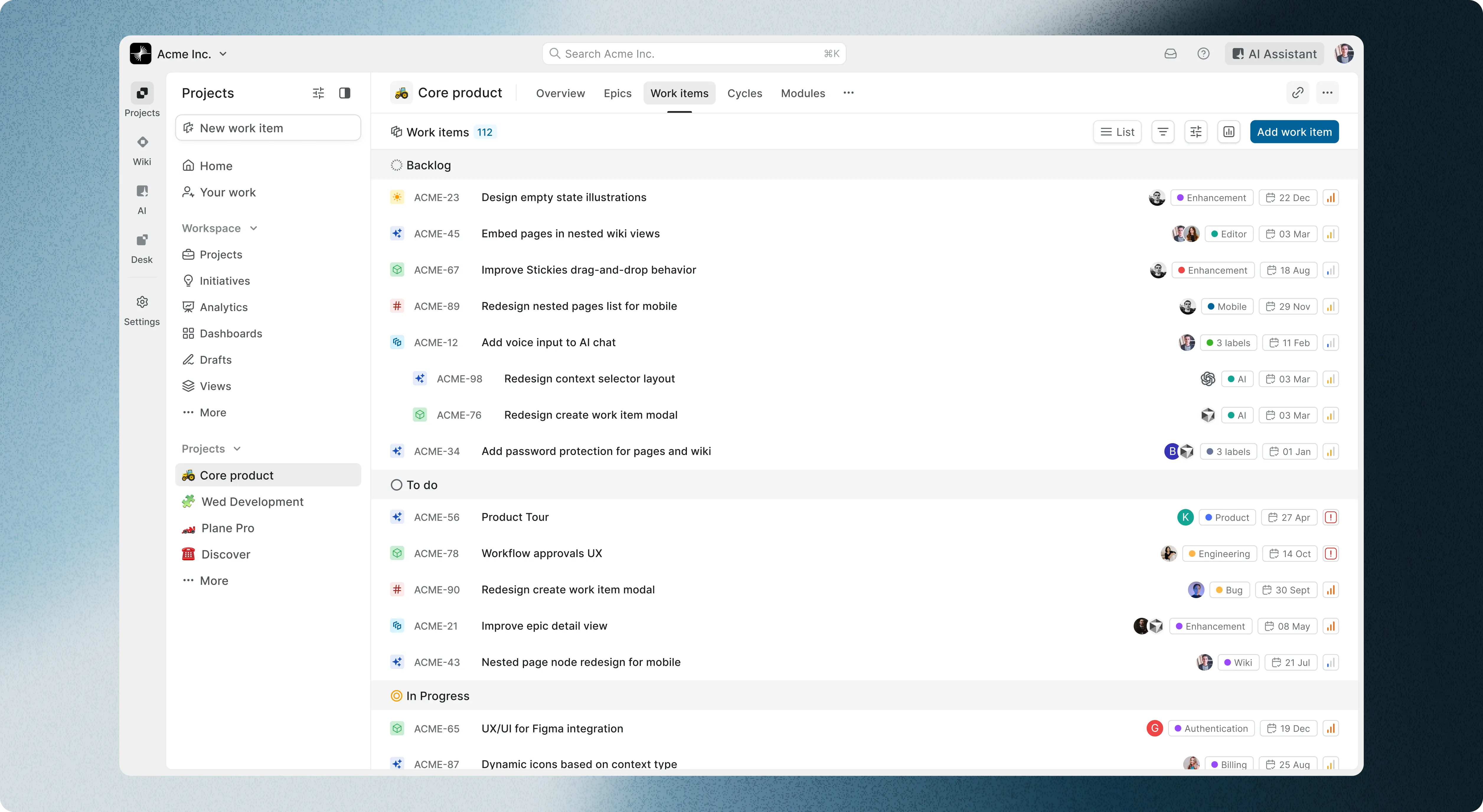
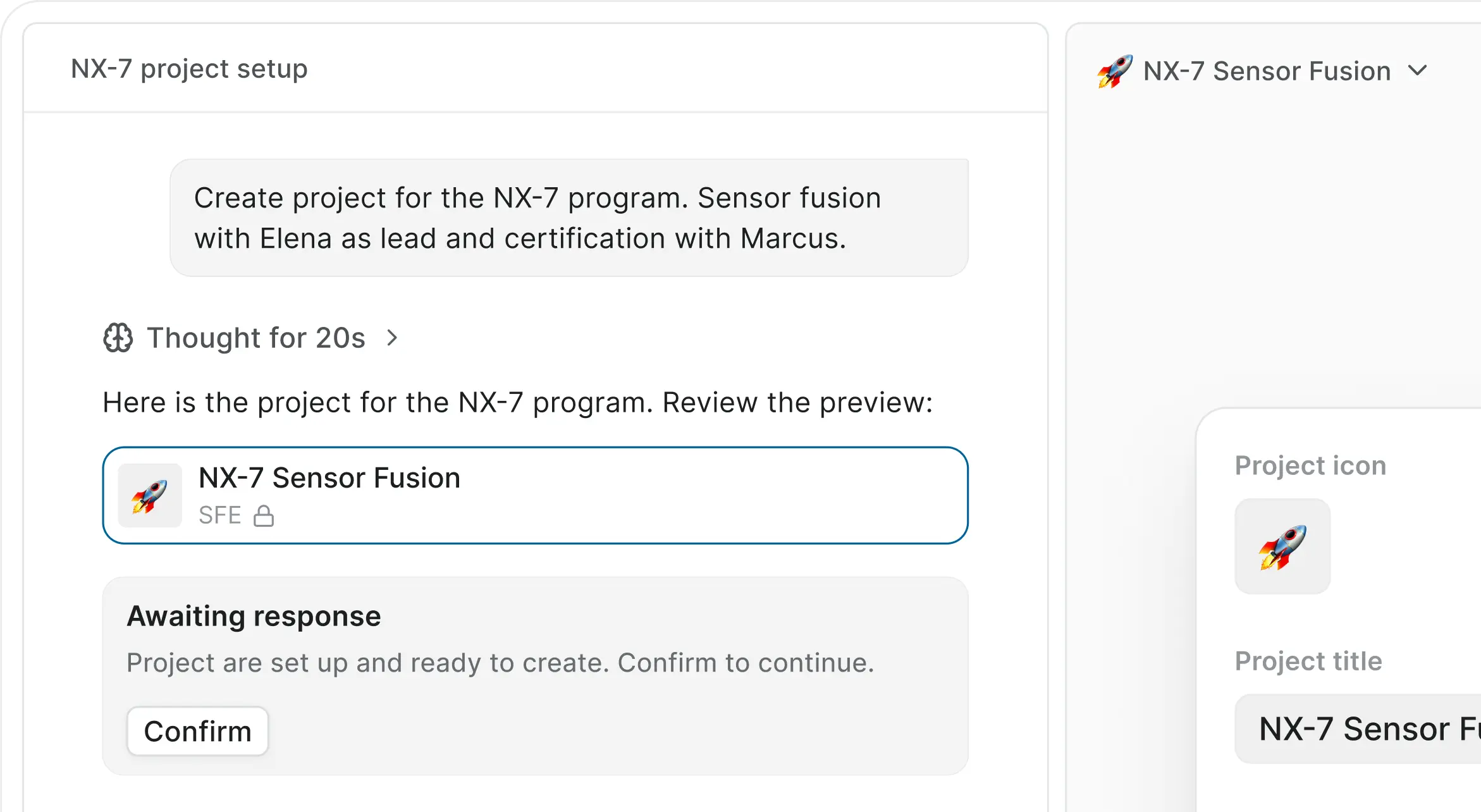
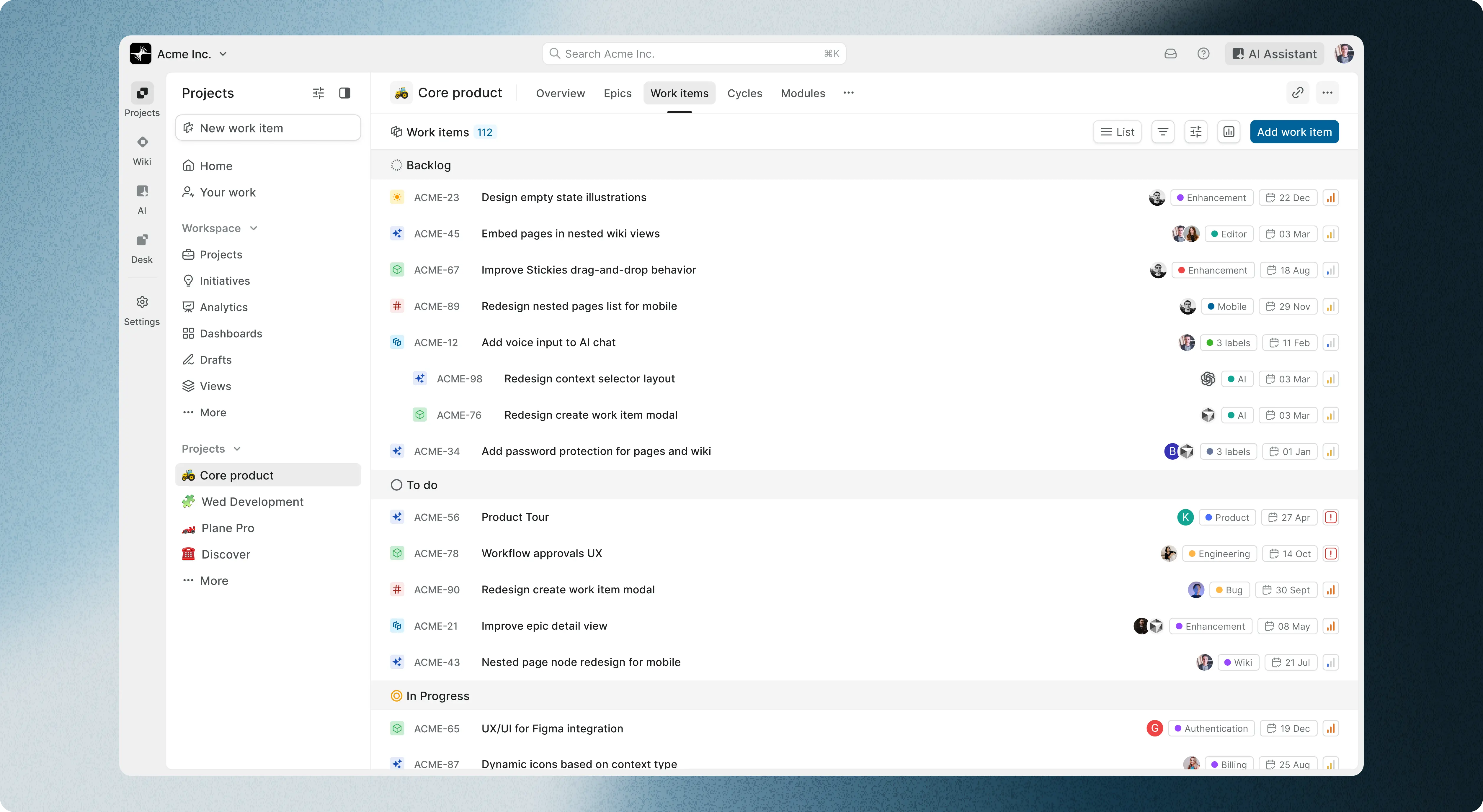
Plane is an open-source, AI-native project management platform that combines issue tracking, wikis, and cycles in one unified workspace. It's a compelling self-hostable alternative to Linear, Jira, and ClickUp — especially for teams that value data ownership and transparent pricing.
Plane is an open-source project management platform built for engineering, product, and operations teams. It brings issue tracking, sprint cycles, wikis, and AI-powered workflows into a single workspace. We rate it 79/100 — an excellent choice for teams that want Linear-quality UX with the flexibility of self-hosting and a far lower total cost of ownership.
Plane was founded by Vihar Kurama and the team at Plane Powers, launching publicly in 2022 as an open-source alternative to Jira and ClickUp. It's licensed under AGPL-3.0, meaning the core product is free to inspect, fork, and self-host. By early 2026, the GitHub repo at makeplane/plane has accumulated over 32,000 stars, making it one of the most popular open-source project management tools available.
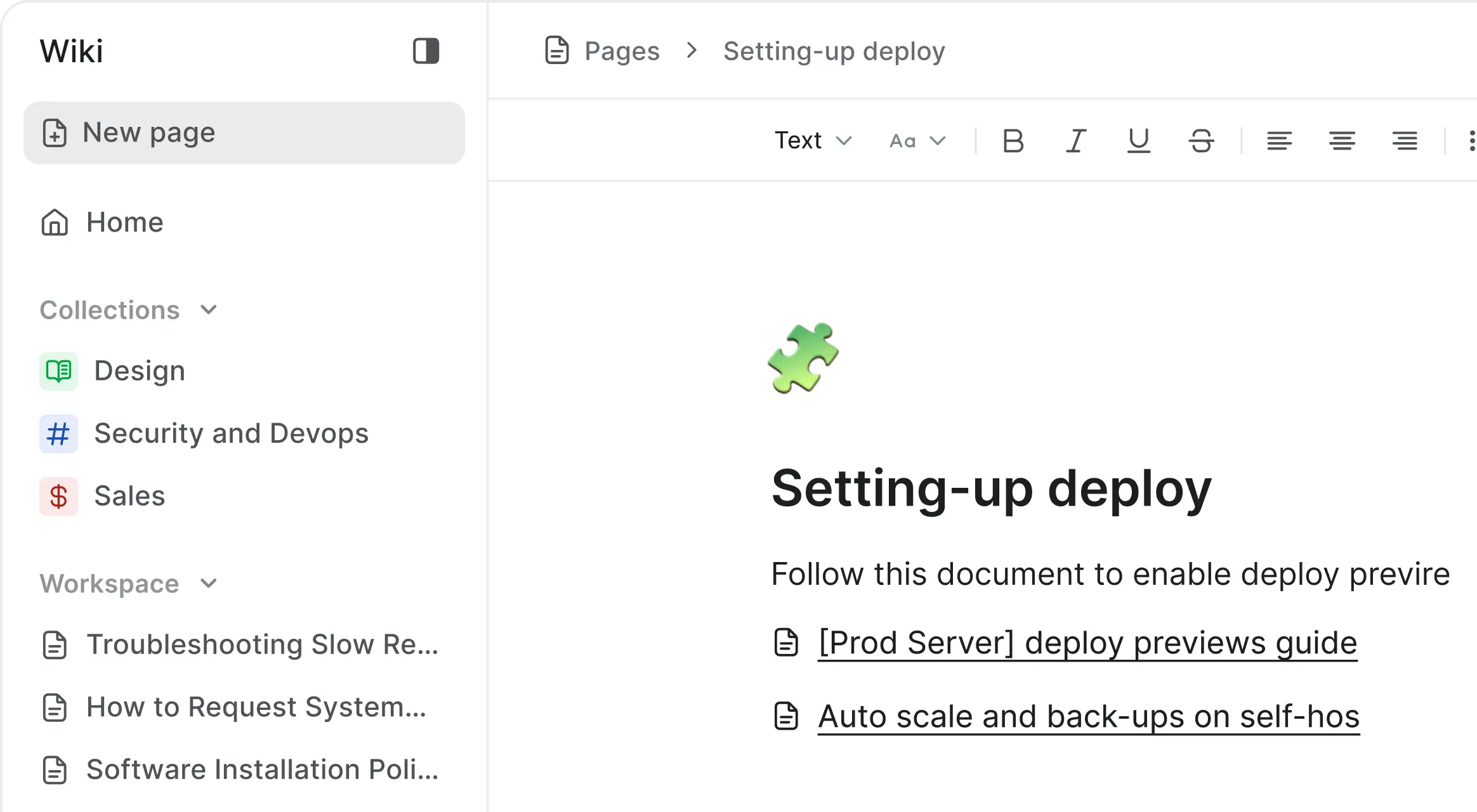
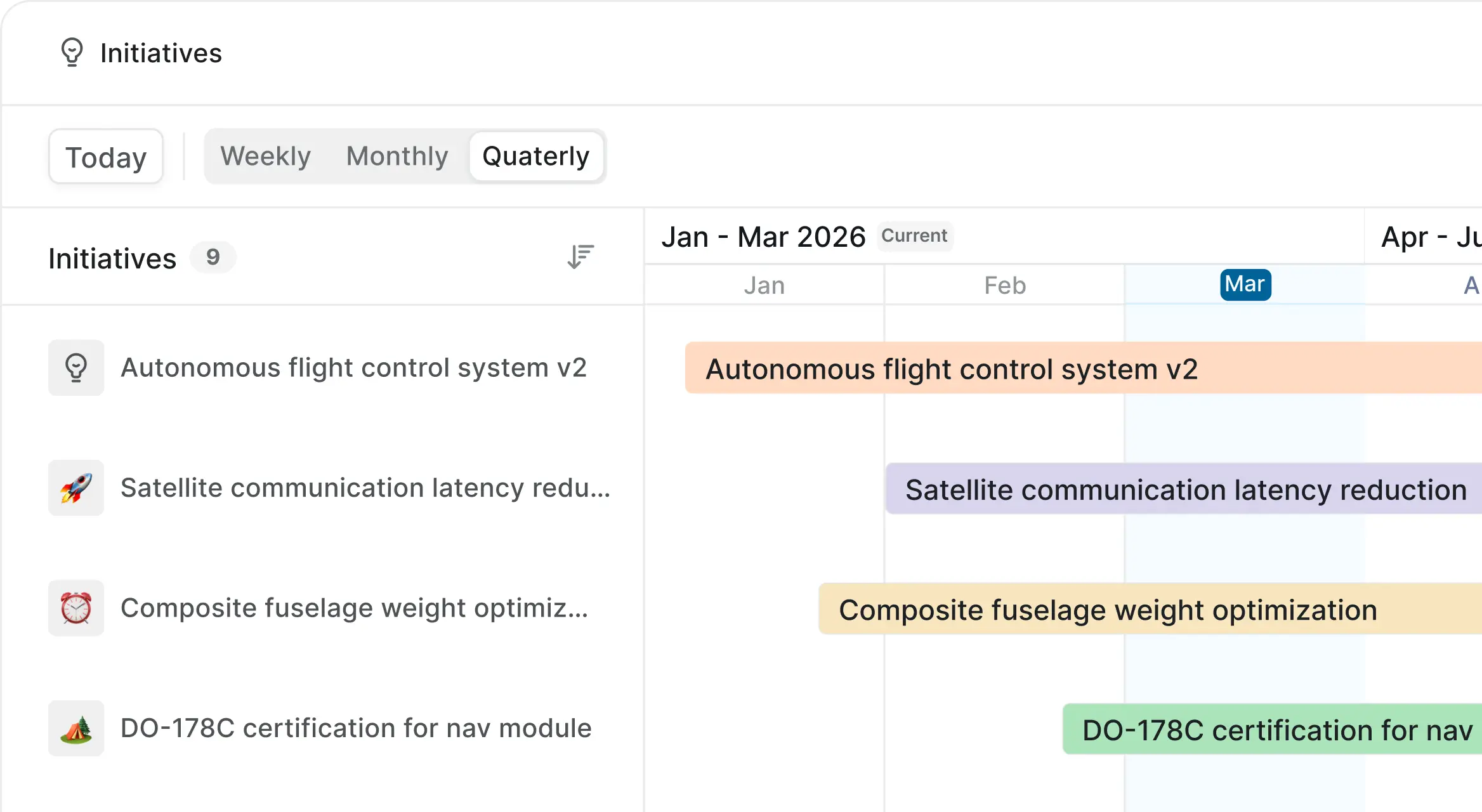
Where Plane differentiates itself from competitors like Linear is in its breadth: it bundles a collaborative wiki (Plane Pages), intake forms, time tracking, and AI agents natively — features that would otherwise require Confluence, Notion, or separate add-ons. For teams tired of paying for four different tools, Plane's all-in-one approach is genuinely compelling.
Sentiment across G2, Product Hunt, and Reddit's r/projectmanagement is broadly positive, particularly around UI quality and value. On G2, recurring praise focuses on Plane's speed ("switching between hundreds of tasks without lag"), the clean interface, and the self-hosting capability. On Product Hunt, the open-source angle resonates strongly with developers who resent vendor lock-in.
The most common complaints: analytics are basic on lower tiers, the mobile apps lag behind the web experience, and some advanced reporting features available in Jira or ClickUp simply don't exist yet. A Reddit thread from early 2026 also noted that the AI features, while promising, still feel like "v1" — useful for simple triage but not yet reliable enough to replace human judgment on complex prioritization.
Plane's pricing is refreshingly transparent and consistent — cloud and self-hosted users pay identical rates.
| Plan | Price | Key Limits / Inclusions |
|---|---|---|
| Free | $0/seat/month | Up to 12 seats, core features, 500 AI credits/seat/mo |
| Pro | $6/seat/month (annual) / $8/month | Unlimited seats, wiki, time tracking, epics, SSO, 1,000 AI credits/seat/mo |
| Business | $13/seat/month (annual) / $15/month | Recurring items, intake forms, workflows, nested pages, 2,000 AI credits/seat/mo |
| Enterprise | Custom | Private deployments, LDAP, audit logs, flexible AI credit pool |
For a 10-seat team, Plane Pro costs $720/year — roughly 40% less than Linear's Basic plan at $1,200/year for equivalent functionality.
Best for: Engineering and product teams of 5–100 people who want a modern, fast issue tracker without SaaS vendor lock-in. Particularly strong for teams already self-hosting other infrastructure, teams migrating off Jira Server, and budget-conscious startups that need Linear-quality UX at a lower price.
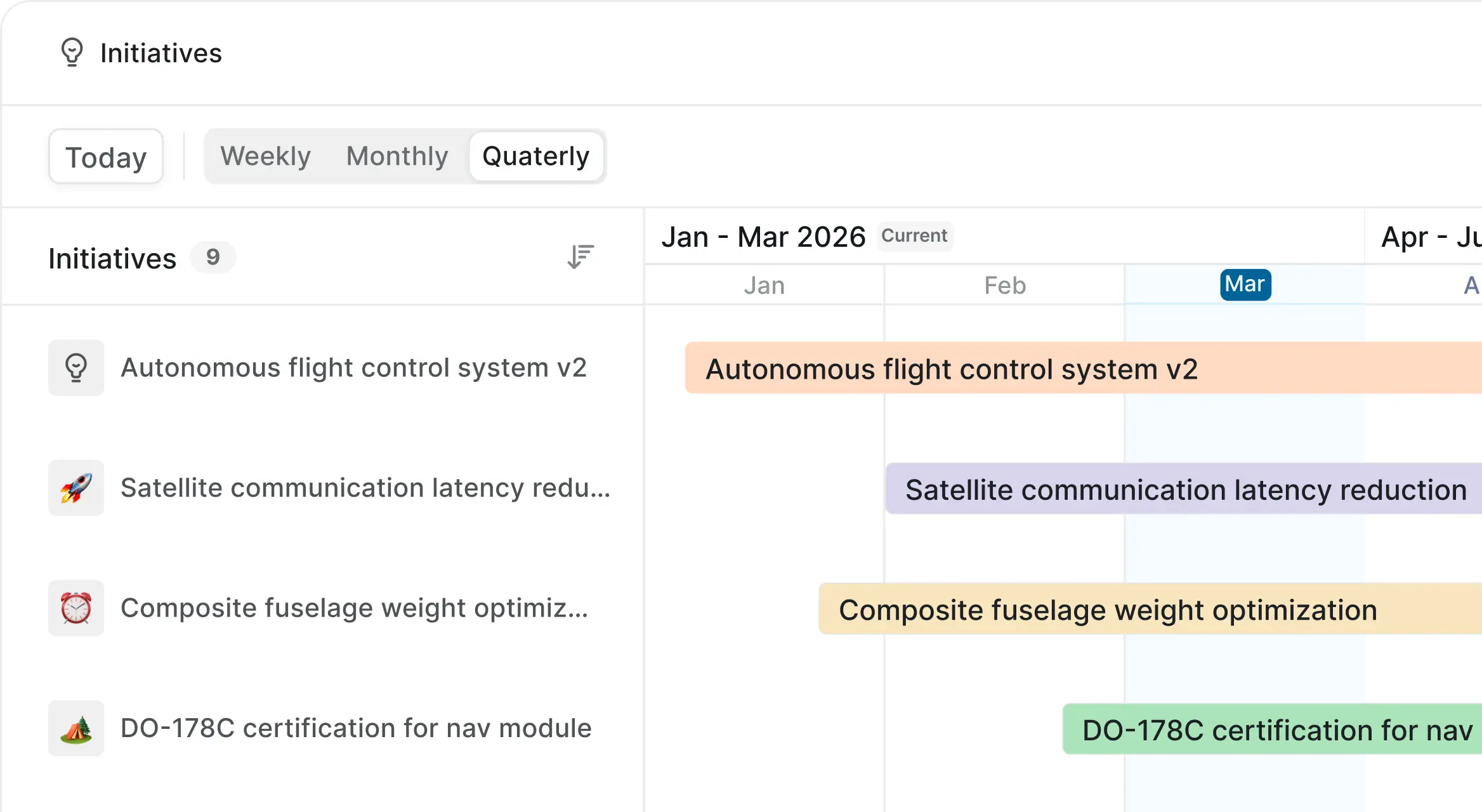
Not ideal for: Large enterprises with complex PMO requirements — resource management, portfolio-level reporting, and Gantt charts are still underdeveloped. Also not a great fit for non-technical teams expecting Asana-style simplicity out of the box.
Pros:
Cons:
Linear is the closest direct competitor — beautiful, opinionated, and beloved by product teams, but entirely cloud-only and more expensive. Jira remains the enterprise standard with unmatched integrations but comes with significant setup overhead and cost. ClickUp offers more features per dollar but has a reputation for UI complexity that teams either love or despise.
Plane earns a 79/100. It's one of the best open-source project management tools available today — fast, genuinely full-featured, and priced fairly. The ability to self-host at zero additional cost is a genuine differentiator for teams with data residency requirements or infrastructure already in place. The main caveat is that some advanced features (reporting, analytics, mobile polish) still trail the commercial leaders. If you're a 5–50 person engineering team evaluating Linear, Jira, or ClickUp, Plane deserves a serious look before you sign anything.
ServiceNow and Accenture Launch Forward Deployed Engineering Program to Scale Agentic AI in the Enterprise (May 6, 2026)
At Knowledge 2026, ServiceNow and Accenture announced a joint forward deployed engineering program that drops co-located engineer pods into customer environments to ship agentic AI workflows natively on the ServiceNow AI Platform — with access to 300+ pre-built agent skills and the AI Control Tower as the governance backbone.
May 7, 2026
ReFiBuy Raises $13.6M Seed to Help Brands Get Recommended by AI Shopping Agents (May 5, 2026)
ReFiBuy, the Raleigh-based agentic commerce platform from ChannelAdvisor founder Scot Wingo, closed an oversubscribed $13.6M seed led by NewRoad Capital Partners on May 5, 2026 — betting that the next billion-dollar e-commerce moat is being chosen by ChatGPT, Claude and Perplexity.
May 7, 2026
OpenAI Replaces ChatGPT's Default Model With GPT-5.5 Instant — 52.5% Fewer Hallucinations, 30% Shorter Answers (May 5, 2026)
OpenAI on May 5 swapped GPT-5.3 Instant for the new GPT-5.5 Instant as ChatGPT's default model, claiming 52.5% fewer hallucinated claims on high-stakes prompts and 30% more concise answers. The model also rolls into the API as chat-latest and adds personalization from Gmail and past chats for Plus and Pro web users.
May 7, 2026
Is this product worth it?
Built With
Compare with other tools
Open Comparison Tool →