
 AI Tools
Aider
AI pair programming in your terminal—free, open-source, any LLM
Tabnine is the AI coding assistant for enterprises that need air-gapped deployment, zero data retention, and code trained only on permissively licensed sources. Slower than Cursor, but the only serious choice for compliance-bound teams.
Tabnine is a privacy-first AI coding assistant designed for enterprises that cannot send their source code to a third-party LLM provider. We rate it 72/100 — the right choice for legal, financial and regulated engineering teams that need air-gapped deployment, but a step behind Cursor and Copilot on raw code-completion quality.
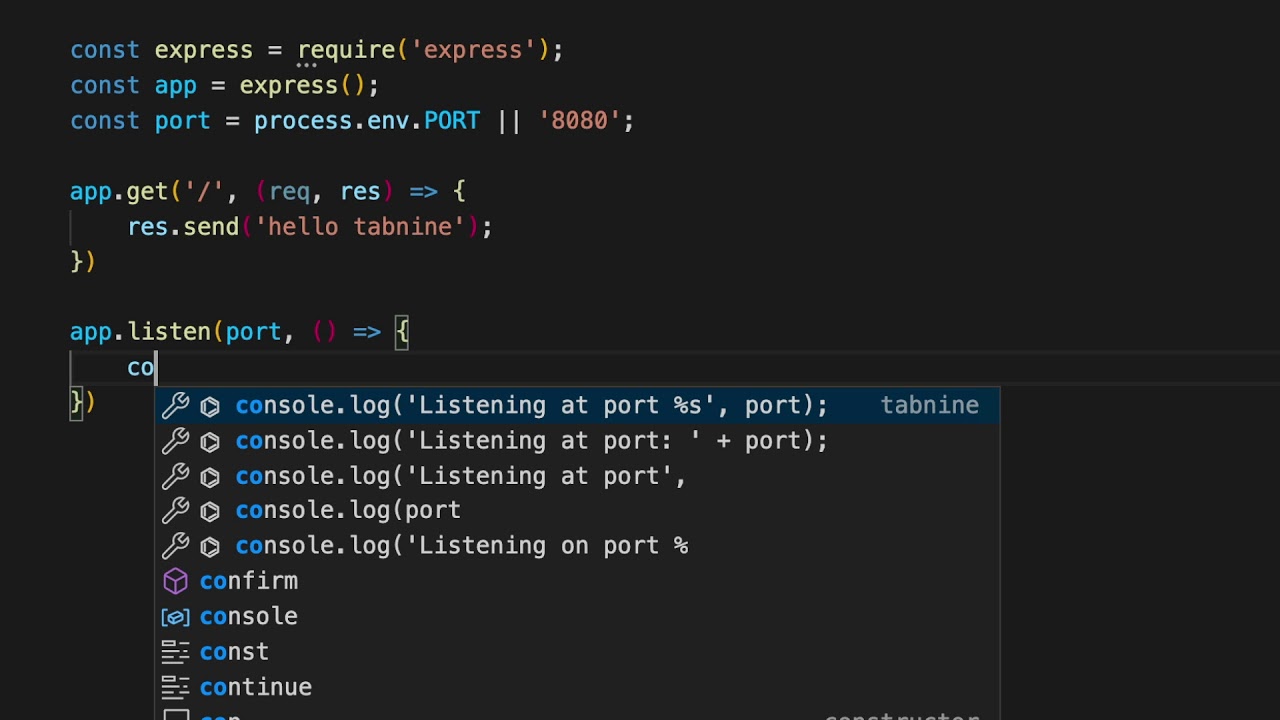
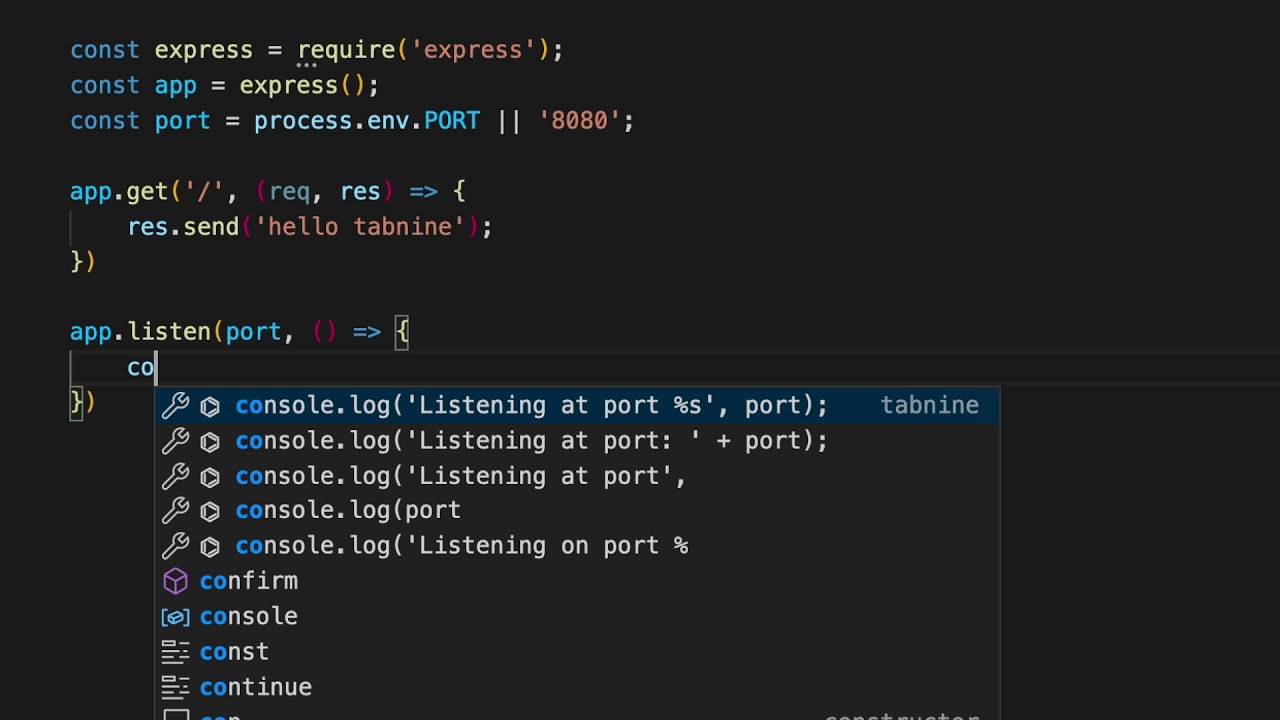
Tabnine is an IDE-integrated AI assistant that offers code completion, an in-editor chat, agentic workflows, and a CLI for terminal-first developers. It runs inside VS Code, every JetBrains IDE, Visual Studio, Eclipse, Vim/Neovim, and several others. Unlike most of its competitors, Tabnine ships in a fully air-gapped configuration with zero code retention — the same binary that powers its SaaS plan can also run inside a customer's VPC or on bare metal in a network with no internet egress.
The product was created by Jacob Jackson, a student at the University of Waterloo, in 2018. It was acquired by Israeli AI startup Codota on , and the combined company rebranded to Tabnine in May 2021 once it shipped its first LLM-based assistant. Codota itself was founded in Tel Aviv in 2013 by Dror Weiss and Eran Yahav. Tabnine crossed one million users in April 2022 and was named a Visionary in the September 2025 Gartner Magic Quadrant for AI Code Assistants.

Sentiment is sharply split by audience. On Reddit's r/programming and r/ExperiencedDevs, the recurring praise is privacy — one developer described it as “the only AI tool legal will let me install on my work laptop.” A DX engineering blog (getdx.com) puts it bluntly: Tabnine wins on trust, not on raw quality. The recurring complaint, especially from solo developers comparing it head-to-head with Cursor, is that completion quality lags. One frequently quoted line summarises it: “It's like having a very safe, very mediocre coding partner.”
The honest negatives are real. G2 and Trustpilot reviews flag high memory usage in JetBrains IDEs (PhpStorm in particular has been called out for crashes), occasional broken cancel-subscription flows, and a context window that struggled at single-file scope before the 2026 Context Engine rollout. The pricing change to remove the free tier in 2024 still draws complaints from former hobbyist users who now see no path back.
Tabnine removed its free tier in 2024 and now offers only paid plans with a 14-day trial. As of , three tiers exist:
| Plan | Price | Key Features |
|---|---|---|
| Code Assistant | $39 / user / month (annual) | Code completion, chat, code reviews, JetBrains + VS Code plugins, SOC 2 compliance |
| Agentic Platform | $59 / user / month (annual) | Everything above + autonomous agents, Enterprise Context Engine, CLI, BYO LLM |
| Enterprise | Custom | VPC / on-prem / air-gapped deployment, dedicated support, custom SLAs, SAML SSO |
For comparison, GitHub Copilot starts at $10/month and Cursor's Pro plan is $20/month — Tabnine is roughly 2–4× the price of mainstream alternatives. The premium is paid for compliance, not capability.
Best for: Engineering teams at banks, insurers, healthcare companies, government contractors, and any organization where a CISO or General Counsel has banned sending source code to OpenAI, Anthropic, or GitHub. Teams that need on-prem or air-gapped deployment have, effectively, no other serious option in 2026.
Not ideal for: Solo developers, open-source maintainers, and startups without compliance constraints. If you're not blocked from using Copilot or Cursor, those tools will give you better suggestions for less money.
Pros:
Cons:
The serious head-to-head alternatives are GitHub Copilot ($10/month, deepest GitHub integration, sends code to OpenAI), Cursor ($20/month, the highest-rated completion quality of 2026 but no enterprise air-gap), and Codeium / Windsurf (a free tier exists, has self-hosted enterprise plans but a smaller compliance footprint). For teams that are choosing on capability rather than compliance, Cursor wins almost every benchmark.
Tabnine is worth it for exactly one reason: you cannot use anything else. If your organization has a hard ban on sending source code to a third-party LLM, Tabnine's air-gapped install is the only mainstream option that will get past procurement. For that audience, it earns its 72/100 rating — a solidly good tool that does the one thing nobody else does. For everybody else, Copilot or Cursor will be cheaper and produce better suggestions.
ServiceNow and Accenture Launch Forward Deployed Engineering Program to Scale Agentic AI in the Enterprise (May 6, 2026)
At Knowledge 2026, ServiceNow and Accenture announced a joint forward deployed engineering program that drops co-located engineer pods into customer environments to ship agentic AI workflows natively on the ServiceNow AI Platform — with access to 300+ pre-built agent skills and the AI Control Tower as the governance backbone.
May 7, 2026
ReFiBuy Raises $13.6M Seed to Help Brands Get Recommended by AI Shopping Agents (May 5, 2026)
ReFiBuy, the Raleigh-based agentic commerce platform from ChannelAdvisor founder Scot Wingo, closed an oversubscribed $13.6M seed led by NewRoad Capital Partners on May 5, 2026 — betting that the next billion-dollar e-commerce moat is being chosen by ChatGPT, Claude and Perplexity.
May 7, 2026
OpenAI Replaces ChatGPT's Default Model With GPT-5.5 Instant — 52.5% Fewer Hallucinations, 30% Shorter Answers (May 5, 2026)
OpenAI on May 5 swapped GPT-5.3 Instant for the new GPT-5.5 Instant as ChatGPT's default model, claiming 52.5% fewer hallucinated claims on high-stakes prompts and 30% more concise answers. The model also rolls into the API as chat-latest and adds personalization from Gmail and past chats for Plus and Pro web users.
May 7, 2026
Is this product worth it?
Built With
Compare with other tools
Open Comparison Tool →