 Productivity
Raycast
Powerful macOS launcher and productivity platform — 7.3K GitHub stars for extensions
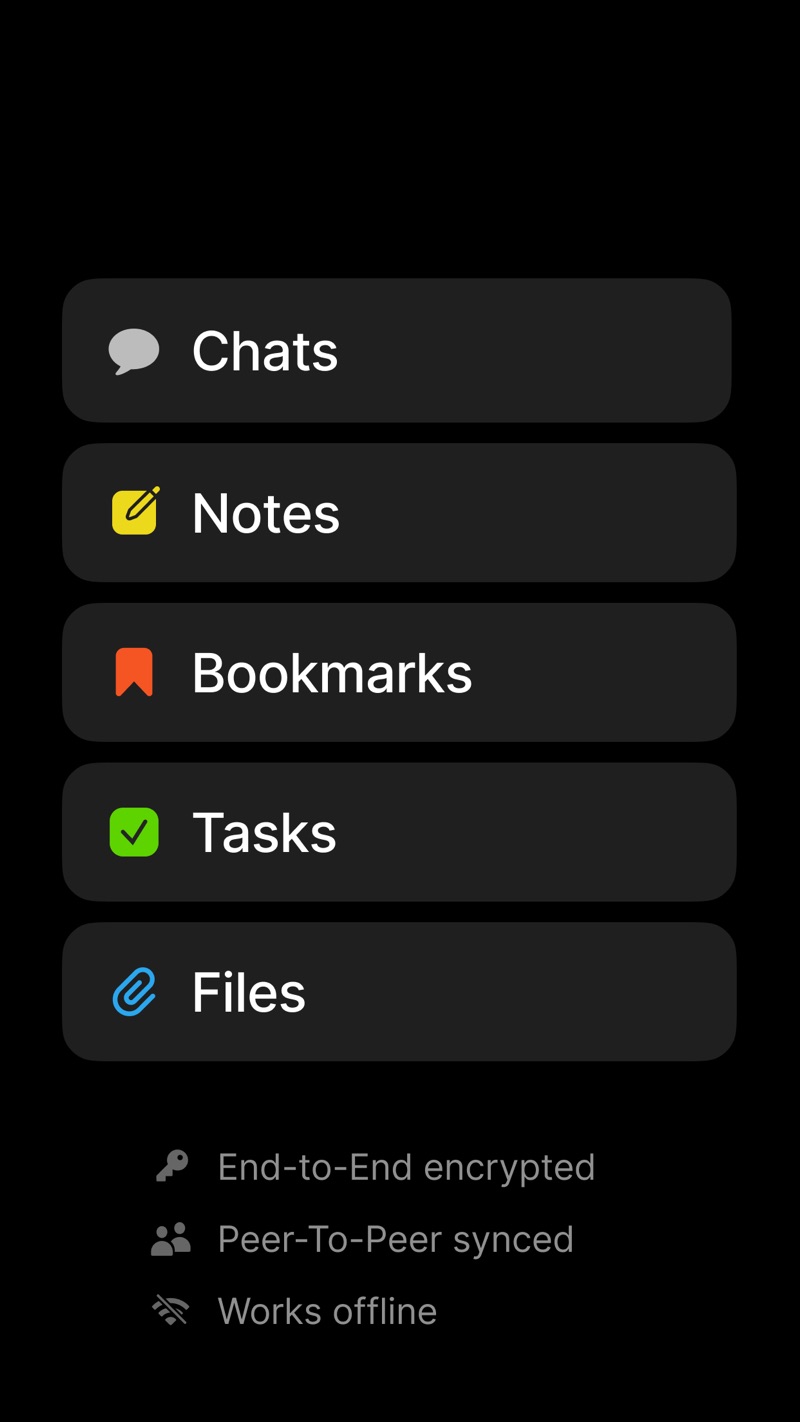
Anytype is an open-source, local-first knowledge management app that pairs Notion-style blocks with end-to-end encryption and peer-to-peer sync. Free for solo use; paid tiers add network storage and shared spaces.
Anytype is an open-source, local-first knowledge management app that fuses Notion-style block editing with end-to-end encryption and peer-to-peer sync. We rate it 80/100 — the strongest privacy-first Notion alternative on the market today, with rough edges around polish and team workflows.
Anytype is built by the Berlin-based Any Association and launched in private alpha in . The app went into public beta in and crossed its big milestone — peer-to-peer multiplayer collaboration — in , marking what the team calls the true 1.0 of the platform. As of the official desktop client repository on GitHub has surpassed 7,400 stars and the iOS, Android, macOS, Windows, and Linux apps share a single Go-based core called any-sync.
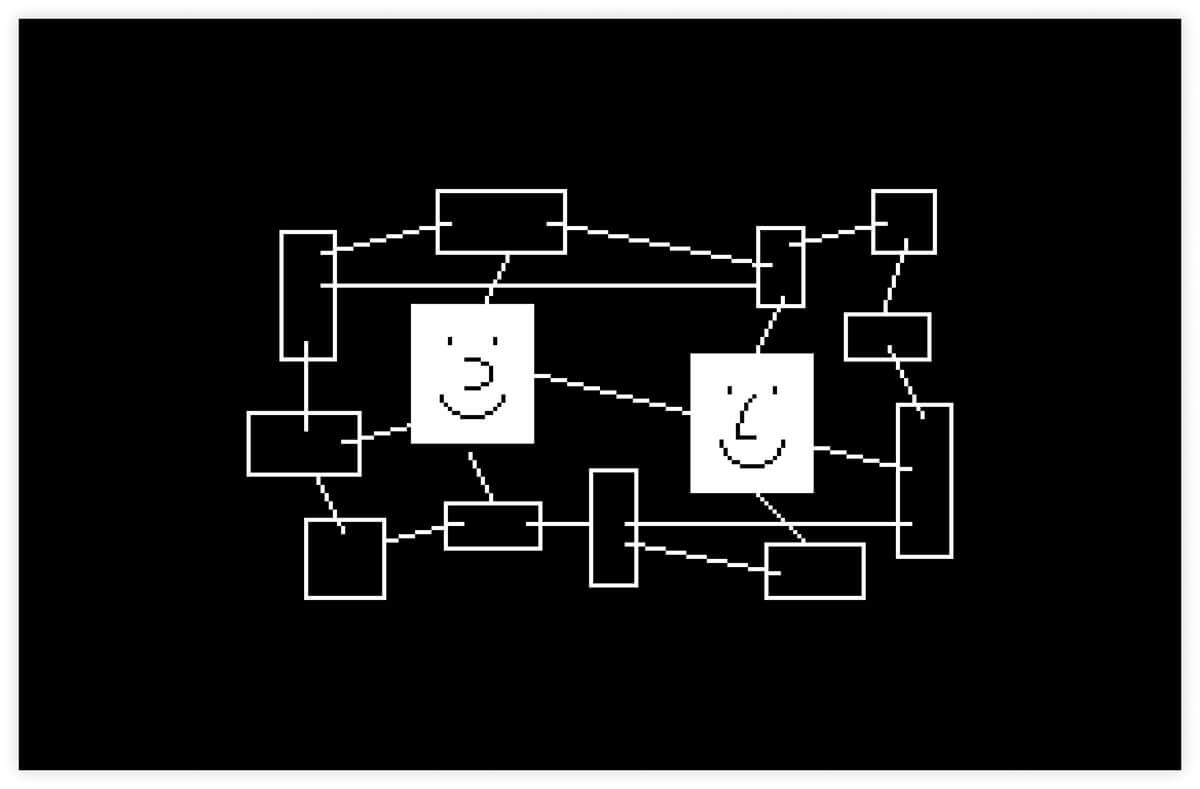
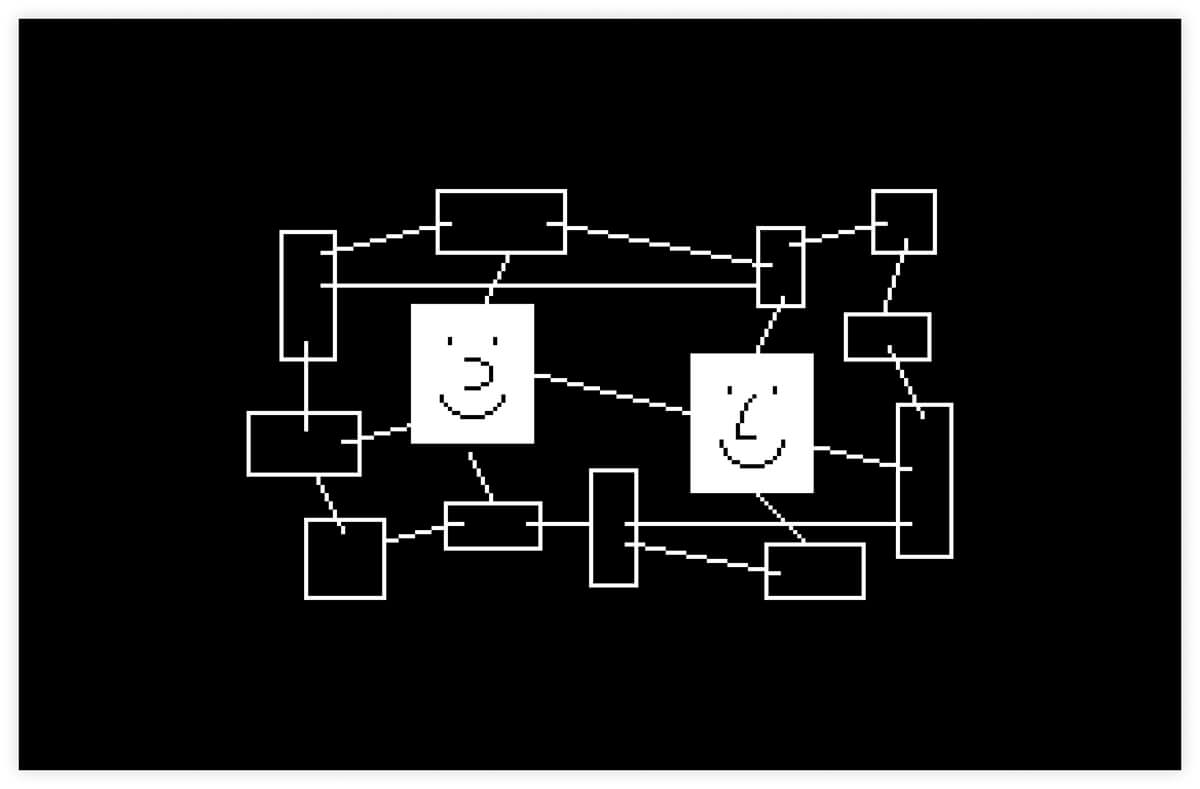
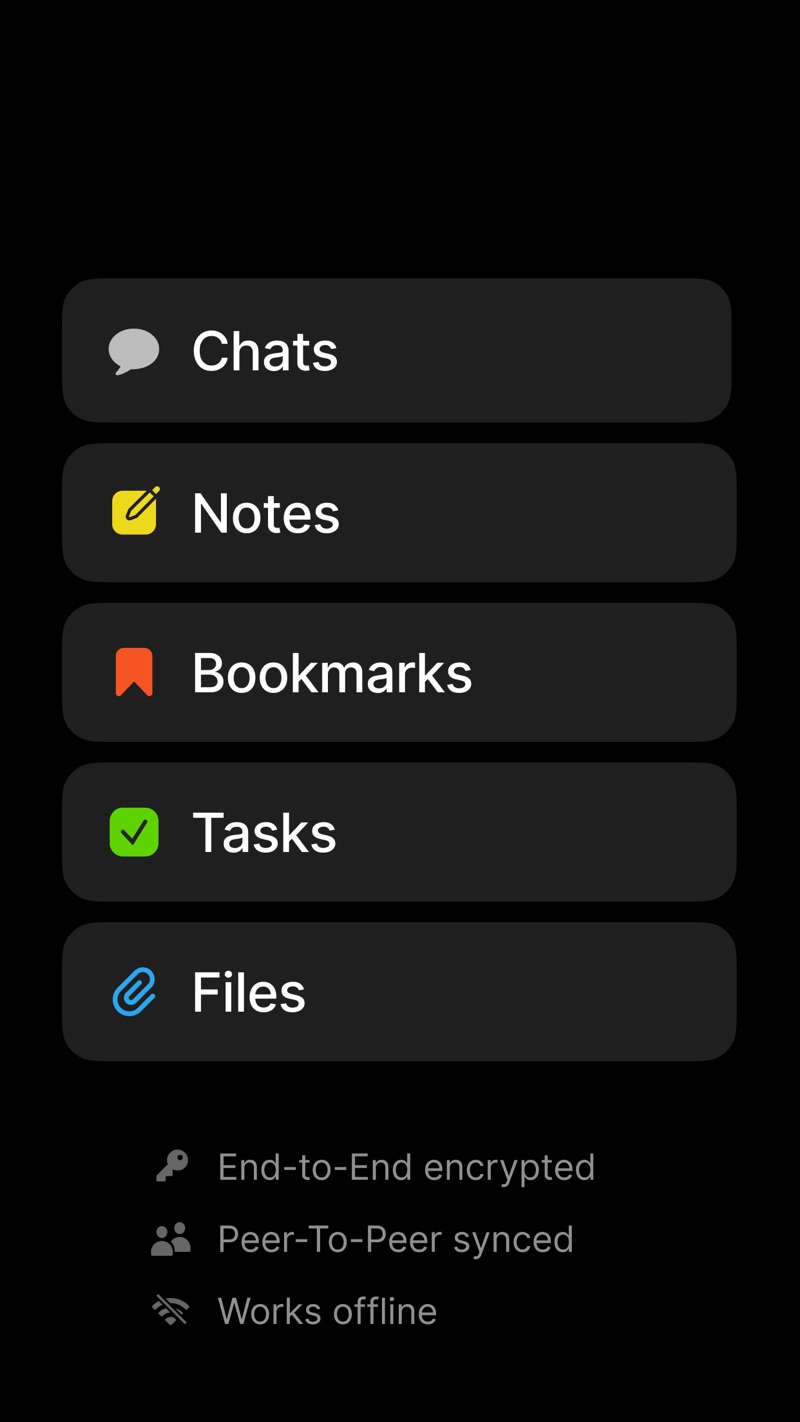
The pitch is simple and unusual in this category: every object you create — note, task, page, database row, person, contact — lives encrypted on your device first, then syncs peer-to-peer to your other devices through the Anytype network without ever being readable by Anytype itself. That "sovereign by default" architecture is what separates it from cloud-first competitors like Notion, ClickUp, and Coda.
gallery.any.coop ships pre-built workspaces — CRMs, second-brain setups, journals, project trackers — that import as a single space.any-sync Go core.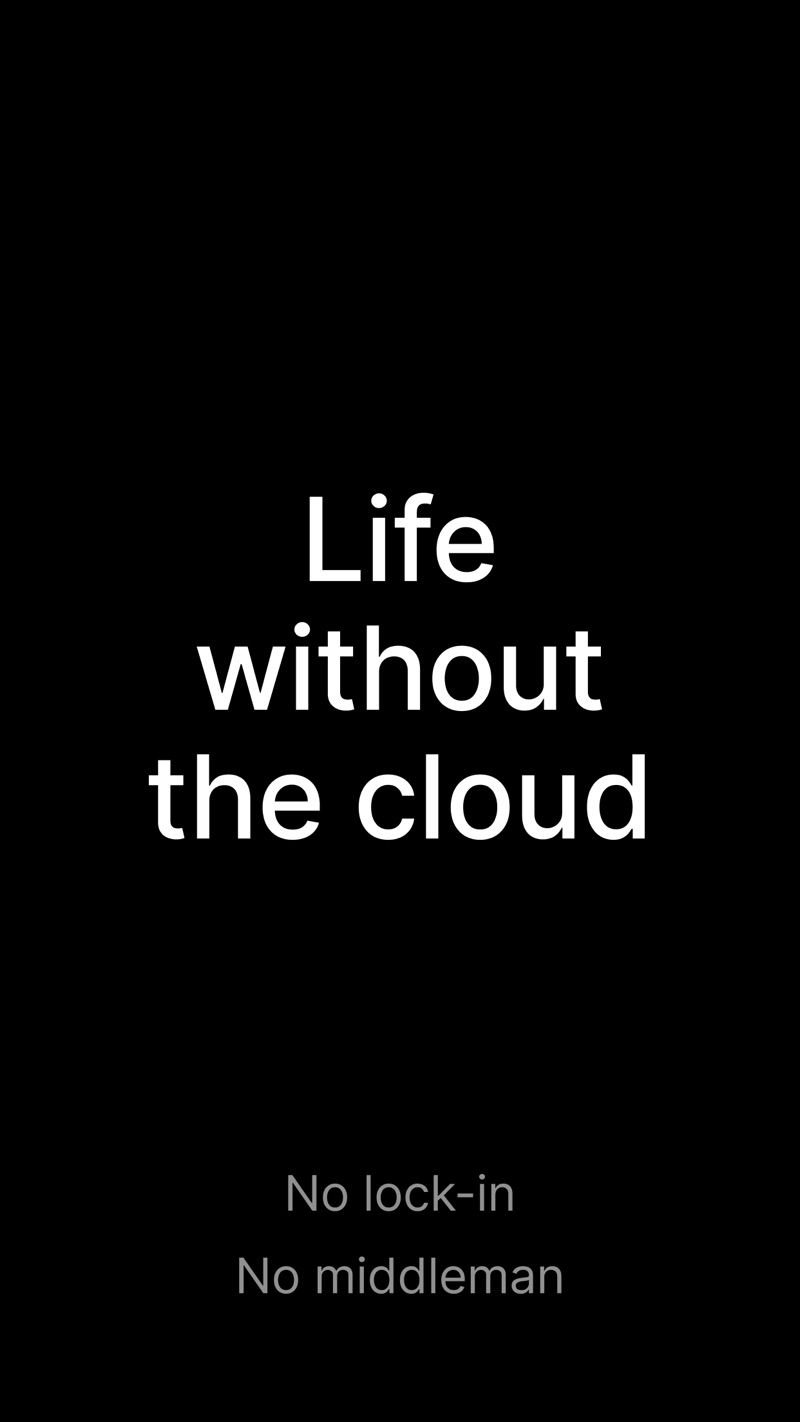
Sentiment skews strongly positive but with consistent caveats. On Product Hunt, Anytype averages 4.3/5 across reviews, with comments highlighting that it's "the only app that actually delivers on local-first" and "the synchronization speed is one of the fastest I have ever tried." On r/anytype and r/selfhosted, the most upvoted threads praise the offline reliability and the privacy story; one widely-shared comment from @aksanoble on X reads: "Anytype is free, open source, beautifully designed, offline first, private, multi device sync. What a vision!"
The recurring complaints are equally consistent. Reddit threads in r/Notion and r/PKMS repeatedly call out a steeper learning curve than Notion — the object-Type model is powerful but unfamiliar — and a weaker mobile editing experience. The Anytype community forum has long-running threads about missing public web publishing, no real-time collaboration cursors yet, and limited third-party integrations compared to Notion's marketplace. A March 2026 thread titled "Why I switched back to Notion (temporarily)" picked up traction over the lack of API parity.
Anytype's editor and core sync are free forever. Paid Membership plans only add larger network-storage allotments, more shared spaces, and shorter ANY ID handles. Annual billing is discounted 20%.
| Plan | Price | Key Limits |
|---|---|---|
| Free | $0/month | Full editor, unlimited private channels, local + P2P sync, limited remote network storage |
| Plus | $4/month | 1 GB network storage, unlimited shared spaces, ANY ID 9+ characters |
| Pro | $8/month | Larger storage tier, ANY ID 7+ characters |
| Ultra | $16/month | Largest storage tier, ANY ID 5+ characters, priority support |
| Business | Per seat (custom) | Self-hosting, GDPR, SSO, Swiss infrastructure; 9 months free for early-stage startups; 50% off for educators |
Critically, Anytype is not pay-to-edit. The free plan never asks you to upgrade in order to keep writing — Membership only matters if you want bigger shared workspaces or to use the Anytype network as remote storage instead of running your own.
Best for: Privacy-sensitive solo knowledge workers, researchers, journalists, and small teams (legal, healthcare, R&D, NGOs) who want Notion-class flexibility without surrendering their data to a SaaS provider, plus self-hosting enthusiasts comfortable installing native apps across all their devices.
Not ideal for: Larger teams that depend on a deep integration ecosystem (Slack/Zapier/Linear/HubSpot one-click connectors), users who need public web publishing of pages, or anyone who wants a one-link "share with anyone on the internet" workflow — Anytype's encryption model makes that intentionally hard.
Pros:
Cons:
Three competitors are worth comparing directly. Obsidian shares the local-first philosophy and the graph view but stores plain Markdown files instead of encrypted Objects, with no built-in P2P sync. AFFiNE is closer to Notion visually and ships native apps but lacks Anytype's E2EE-by-default model. Logseq is also local-first and open source, focused on outlining rather than block-style pages, and is currently rebuilding its database engine.
Anytype is the closest thing to a true "sovereign Notion" that exists in . The free tier is unusually generous — full editor, multi-device sync, P2P collaboration — and the privacy model is real engineering rather than marketing. It is not yet a complete drop-in replacement for Notion in a 50-person team, and the integration story is thin, but for individuals and small privacy-conscious teams the trade-offs land in Anytype's favor. We rate it 80/100: best-in-class for what it does, with a roadmap that needs another year to close the team-collaboration gap.
ServiceNow and Accenture Launch Forward Deployed Engineering Program to Scale Agentic AI in the Enterprise (May 6, 2026)
At Knowledge 2026, ServiceNow and Accenture announced a joint forward deployed engineering program that drops co-located engineer pods into customer environments to ship agentic AI workflows natively on the ServiceNow AI Platform — with access to 300+ pre-built agent skills and the AI Control Tower as the governance backbone.
May 7, 2026
ReFiBuy Raises $13.6M Seed to Help Brands Get Recommended by AI Shopping Agents (May 5, 2026)
ReFiBuy, the Raleigh-based agentic commerce platform from ChannelAdvisor founder Scot Wingo, closed an oversubscribed $13.6M seed led by NewRoad Capital Partners on May 5, 2026 — betting that the next billion-dollar e-commerce moat is being chosen by ChatGPT, Claude and Perplexity.
May 7, 2026
OpenAI Replaces ChatGPT's Default Model With GPT-5.5 Instant — 52.5% Fewer Hallucinations, 30% Shorter Answers (May 5, 2026)
OpenAI on May 5 swapped GPT-5.3 Instant for the new GPT-5.5 Instant as ChatGPT's default model, claiming 52.5% fewer hallucinated claims on high-stakes prompts and 30% more concise answers. The model also rolls into the API as chat-latest and adds personalization from Gmail and past chats for Plus and Pro web users.
May 7, 2026
Is this product worth it?
Built With
Compare with other tools
Open Comparison Tool →